

Comedian Clavillazo saves a damsel from the clutches of a mad doctor, battling Universal’s entire roster of monsters in a creaky castle. This mildly amusing Mexican 1958 horror comedy has some nice atmospheric moments and is a fairly breezy watch. 5/10
El castillo de los monstruos. 1958, Mexico. Directed by Julián Soler. Written by Fernando Galiana, Carlos Orellana, Julián Soler. Starring: Clavillazo, Evangelina Elizondo, Carlos Orellana, José Wilhelmy, José Luis Moreno, Alejandro Reyna, Germán Robles. Produced by Jesús Sotomayór Martínez. IMDb: 6.2/10. Letterboxd: N/A. Rotten Tomatoes: N/A. Metacritic: N/A.
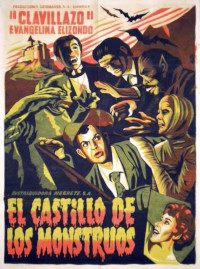
In the poor quarters of Mexico City, strange things are afoot. Bodies are disappearing from the local graveyard, and the townsfolk fear the strange hunchback Licenciado (Alejandro Reyna) who has recently appeared in their area, prowling the streets at daytime and disappearing at night. However, one who will not let anything dampen his spirits is the jovial employee at the local funeral parlor, Clavillazo (Clavillazo/Antonio Espino).
Yes, Mexican comedian Clavillazo is back at it, this time in El castillo de los monstruos (“Castle of Monsters”) from 1958, his own version of Abbott and Costello Meet Frankenstein.
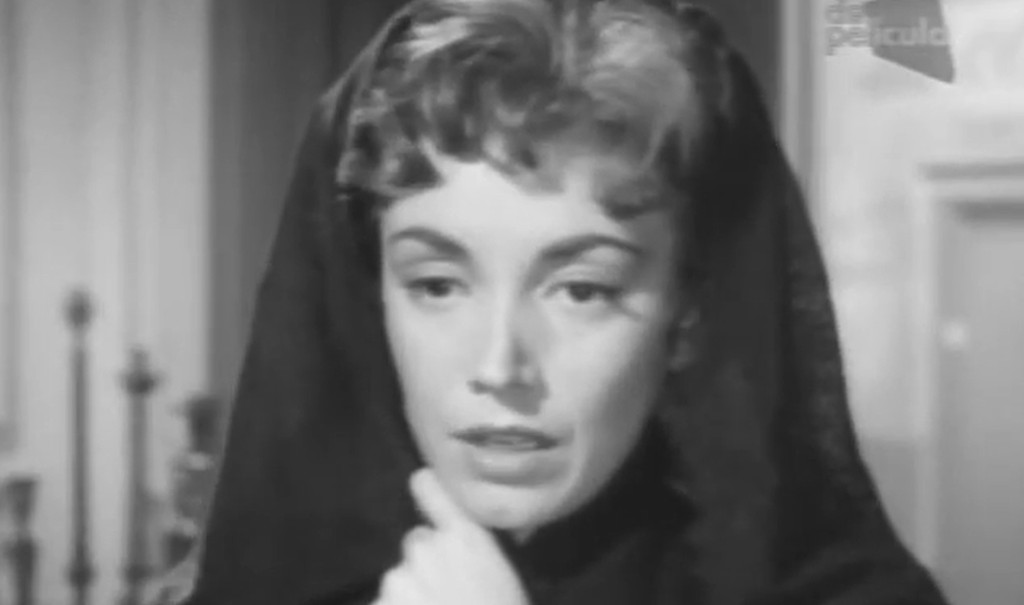
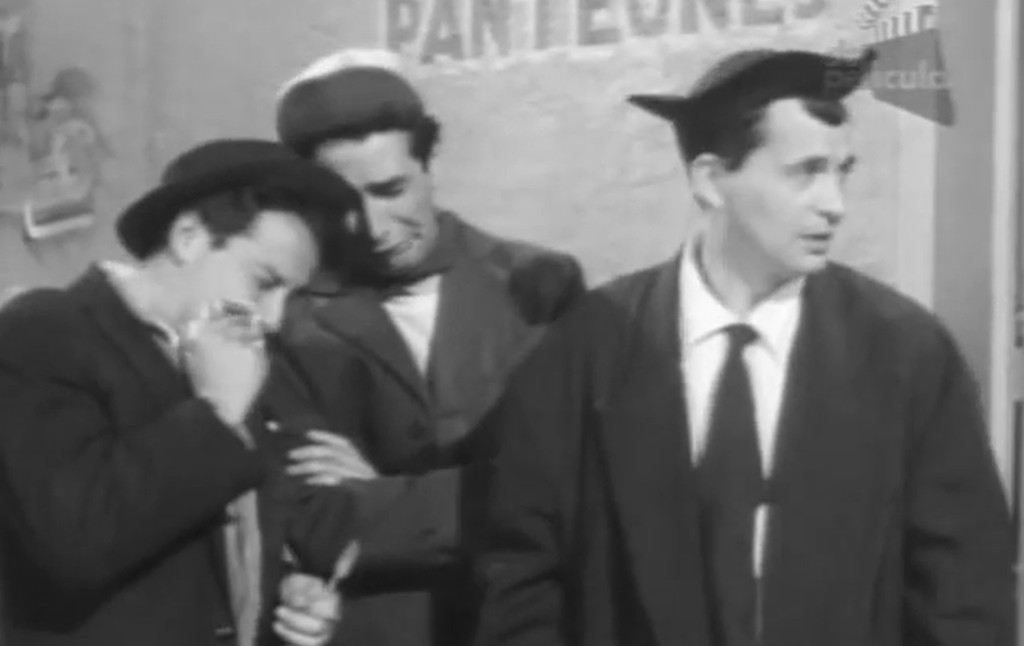
Amidst these mysterious goings-on, Clavillazo’s undertaker’s bureau is visited by the beautiful Beatriz (Evangelina Elizondo), who is in dire straits. Her aunt, with whom she has lived, has suddenly died, and now she has neither money for the funeral nor a place to live. Smitten, Clavillazo offers his own flat and promises to find the money for her aunt’s funeral from somewhere, and then goes about town trying to collect the money from his friends and neighbours, including his besties, newspaper boy Gargles (José Wilhelmy) and candy vendor Popsicle (José Luis Moreno), with little success.
But Clavillazo isn’t the only one smitten. When the hunchback trips and falls on the street, Beatriz is the only one who shows him compassion, helps him up and holds his hand, making an impression. Another one who takes interest in her is Clavillazo’s blind neighbour Don Melchor (Carlos Orellana). But, alas, it turns out that Don Melchor is in reality the mysterious Dr. Sputnik, and the hunchback Licenendiado is his assistant. Melchor works in an old, dark mansion in the woods outside of town, where he deals with secret experiments in creating a perfect human being. This far he has worked with dead bodies, with mixed results. All his test subjects have turned into clones of Universal monsters, now inhabiting his mansion. The Frankenstein monster is his butler and in his dungeons prowling about are an ape man, a mummy, a wolf man, a gill-man, a wolf man (Vicente Lara) and even a Dracula (Germán Robles).
After seeing Beatriz, Dr. Sputnik is convinced it is time to step it up and experiment on a living subject, and who better than the beautiful woman who has just moved into town? In Dracula fashion, Sputnik hypnotises her from a distance during the night and takes her to his lab. Under his spell, he brainwashes her into believing that she is Sputnik’s lost love Galatea, as he prepares to put her under the knife.
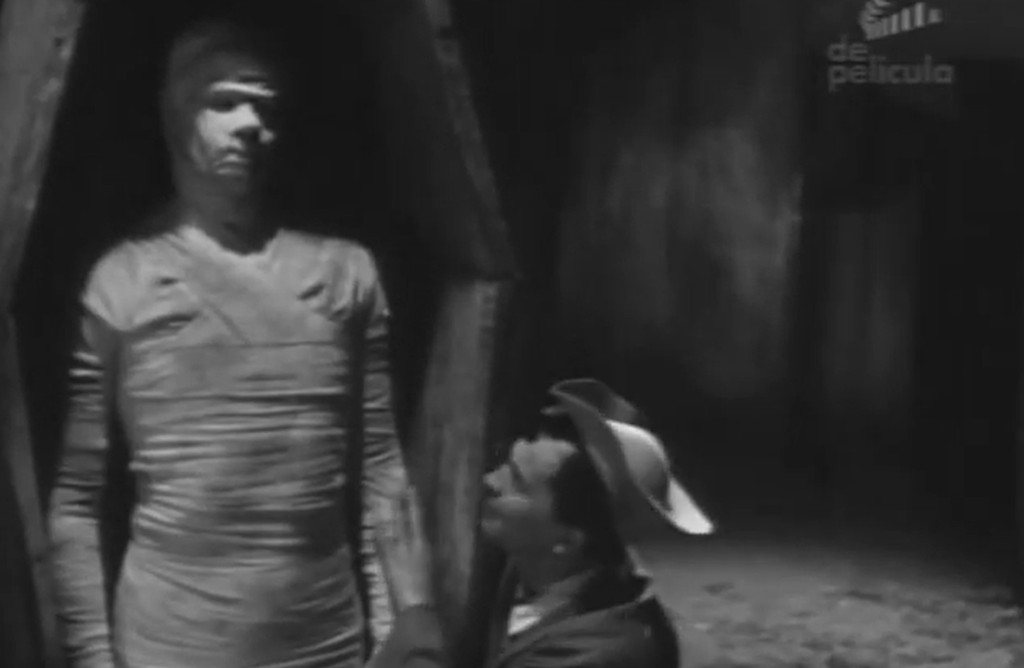
Meanwhile, Clavillazo and his two friends suspect that the hunchback is in league with whoever has kidnapped Beatriz – the hunchback may even have dropped a few hints about it, intentionally, and the trio shadows him back to Sputnik’s mansion. Clavillazo smuggles himself in by hiding in a casket, and monster shenanigans ensue. Beatriz is pulled to and fro as Clavillazo de-hypnotises her, and she is caught by Sputnik and hypnotised back into believing she is Galatea. Between rounds, Clavillazo takes on one monster at a time, bumbling around the corridors of the dungeon, until he is finally caught and everyone convene in Sputnik’s lab. Just when Beatriz seems doomed, the hunchback remembers Beatriz’ kindness towards him, and he revolts against his master, saves the day and pays for it with his life.
Background & Analysis
This is one of those rare occasions where I have found absolutely zilch on the background of the movie. El castillo de los monstruos (1958) is a Mexican horror comedy which merges the shenanigans of Abbott & Costello movies, in particular Abbott & Costello Meet Frankenstein, with the old dark house tropes and the peculiarities of the 1950s urban Mexican working class comedy as exemplified by the country’s comedy stars, Cantinflas, Tin Tan, Resortes and Clavillazo. It was produced by Jesús Sotomayor Martínez and directed by Julián Soler, a director who moved effortlessly between horror, action and comedy. Its star, of course, is Clavillazo – Antonio Espino – one of the country’s top comedy stars in the decade.
More, perhaps, than the Abbott & Costello mold, El castillo de los monstruos is based on the old dark house movie of old, in which a comedian is inserted into a horror narrative which is played fairly straight. The comedy of these films is often derived from the comedian disarming the horror elements of the movie by reminding us that we are watching a film, breaking the fourth wall and making puns about the monsters and ghouls he encounters (yes, it was almost inevitably a he).
El castillo de los monstruos was probably the brainchild of either producer Jesús Sotomayor Martinez or director Julián Soler. Sotomayor was a young up-and-comer who specialised almost exclusively in comedies, and had already produced a handful of humorous films starring Mexican comedy stars such as Resortes, Tin Tan and Clavillazo. Actor-turned-director Soler likewise had a strong track with comedy, and in 1956 he had directed the science fiction comedy Los platillos voladores (“the flying saucers”, review), teaming up Resortes with Evangelina Elizondo, who also plays the female lead in El castillo de los monstruos. In other words, here was a producer-and-director combo in sync.
The Mexican horror and science fiction comedies of the era often followed a somewhat similar formula. They tended to be urban, mostly based in Mexico City, and followed a protagonist from the lower classes of society, a sort of fast-talking scoundrel who wasn’t afraid to swindle his way through life, but when push came to shove, turned out to have a heart of gold. Oftentimes, the first half of the film would follow the protagonist dealing with some sort of problem more or less unrelated to the horror topic, usually involving the wooing of a lady and some sort of financial problem. Only later in the film would the horror/SF content start to take over, usually involving some sort of mad scientist, a popular subgenre in Mexican low-budget pictures.
This is the case with El castillo de los monstruos. With the exception of the news about bodies disappearing we read in the papers, there is little to connect the romantic shenanigans of Clavillazo with the monster shenanigans in the last third of the movie. In fact, there is very are very few dots to connect between any of the disparate story elements. The fact that Clavillazo works at a morgue has no bearing on the plot, a fact that seems hard to achieve in a film that deals with stolen corpses. We never learn why the hunchback prowls the streets of the city, as he seems to have no business in town. Nor do we get any explanation to why Dr. Sputnik suddenly chooses to switch from operating on dead corpses to a live one, nor why it is necessary for him to hypnotise Beatriz into believing she is the reincarnation of Sputnik’s lost love. One can also question why Dr. Sputnik keeps a menagerie of Universal monsters – and alligators – in his basement.
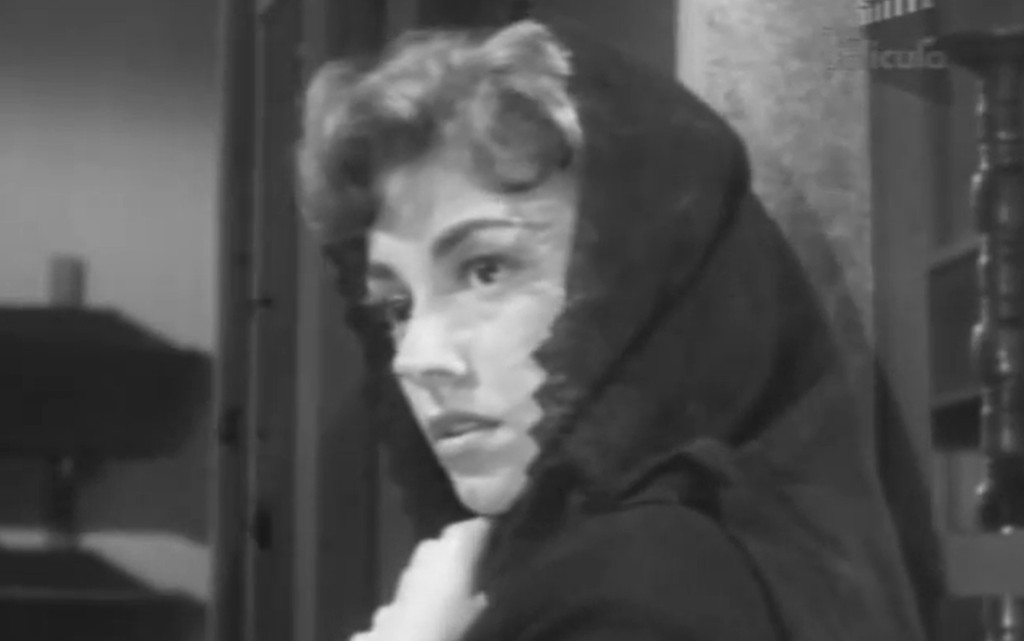
Another matter entirely is whether any of this matters. In truth, it doesn’t really. The whole point of the film is to get Clavillazo to the point where he gets chased around an old dark castle by movie monsters. Everything before this point is just a chance for Clavillazo to do his usual schtick. And that’s really the whole point of the film. Clavillazo made low-brow humour films in the vein of The Three Stooges and Abbott and Costello, and the plots were largely coincidental. For what it is, this is an entertaining picture. It moves along at a decent clip and never lingers too long on any particular phase. Clavillazo’s on-screen charisma manages to hold our interest, and beautiful Evangelina Elizondo provides good backup, playing her damsel-in-distress role straight as an arrow. Carlos Orellana, who also co-wrote the movie, is well cast as Don Melchor/Dr. Sputnik.
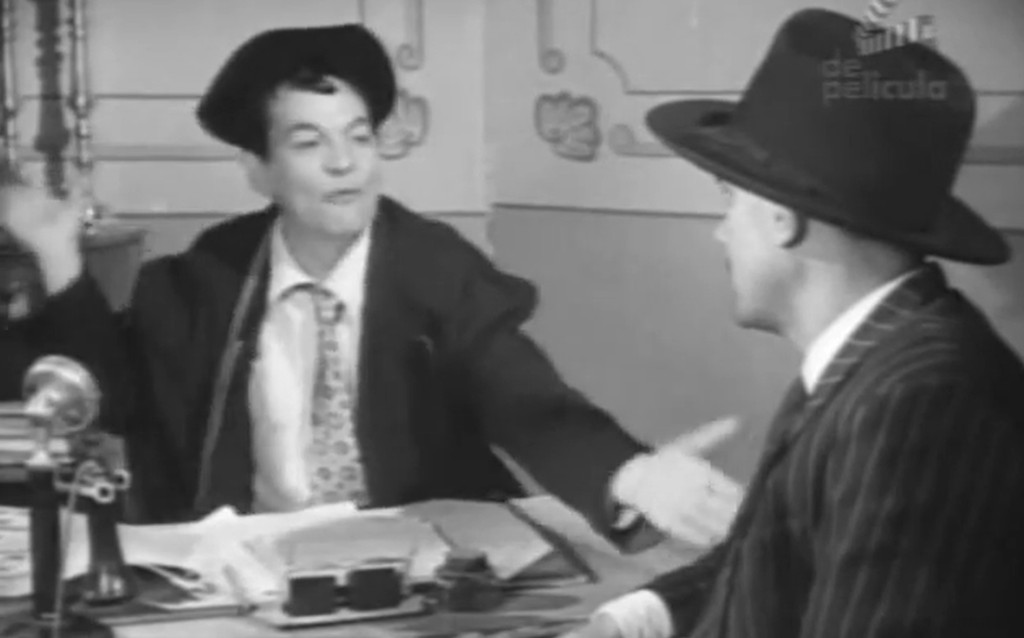
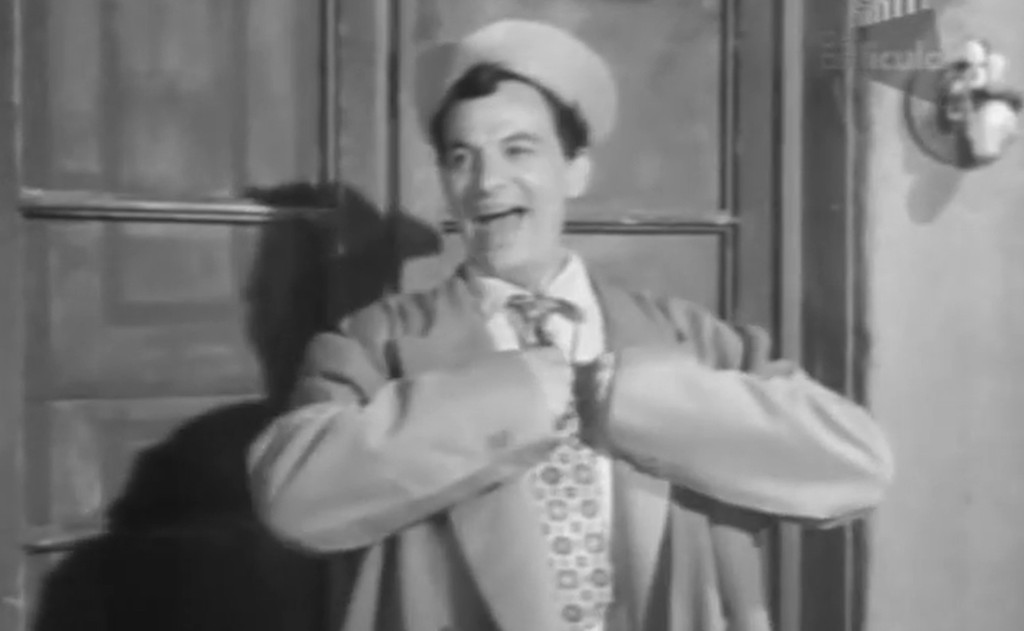
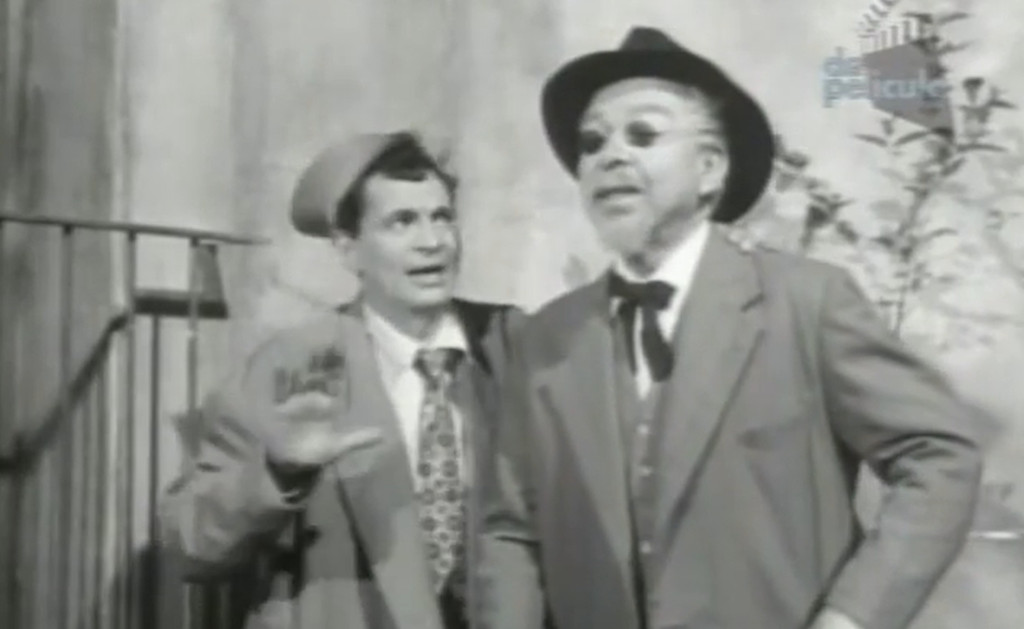
Antonio Espino, going by the stage name Clavillazo, developed a hyperactive character whose trademarks were a constant yapping and exaggerated hand gestures, leading to audiences describing him as “talking with his hands”. Like Chaplin, Espino also developed an instantly recogniseable costume: a triangular hat and a suit three sizes too large. Espino was athletic enough to pull off rather impressive stunts, but he wasn’t primarily a gag performer. In El castillo de los monstruos his physical comedy could have bee utilised to a far greater degree, but Julian Solér seemingly doesn’t have the skill as a director to pull this off. Otherwise, the comedy of the movie relies on a number of sight gags, but most of them are telegraphed and expected. When Clavillazo serenades Beatriz outside her (his) window, we know the camera is going to pull away and show his friends Gargles and Lollipop sitting behind a corner with a radio because Clavillazo is clearly mouthing the song. When Espino does pull off a couple of neat stunt gags, Soler’s and editor Carlos Savage’s timing is off.
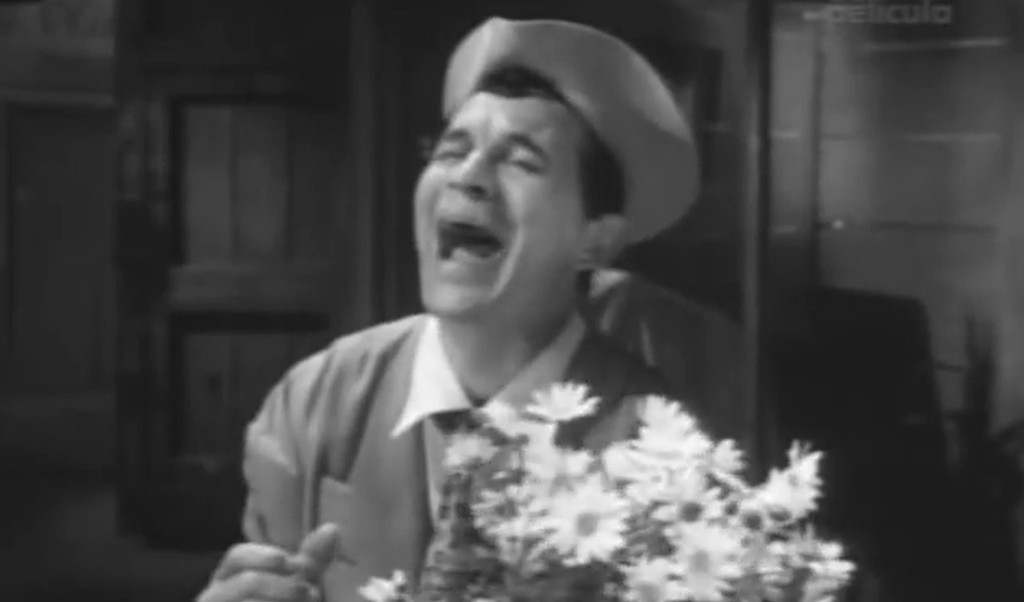
I watched the film on Youtube with auto-translated subtitles, and I’m sure a lot of the verbal comedy was lost on me. What I did understand I would classify as mildly amusing rather than laugh-out-loud funny. The comedy often relies on Clavillazo using his wit and turbo-yap to confuse and outmanouver his more dimwitted friends and people he encounters along the way, engaging them in battles over semantics and logic in efforts to disarm them, somewhat akin to Groucho Marx, but without Groucho’s stinging wit. The biggest letdown is probably the final sequence, where Soler and Espino fail to find anything interesting to do with their menagerie of monsters. It’s really just Clavillazo being chased through a series of corridors until he tricks them one by one to fall into the alligator pit.
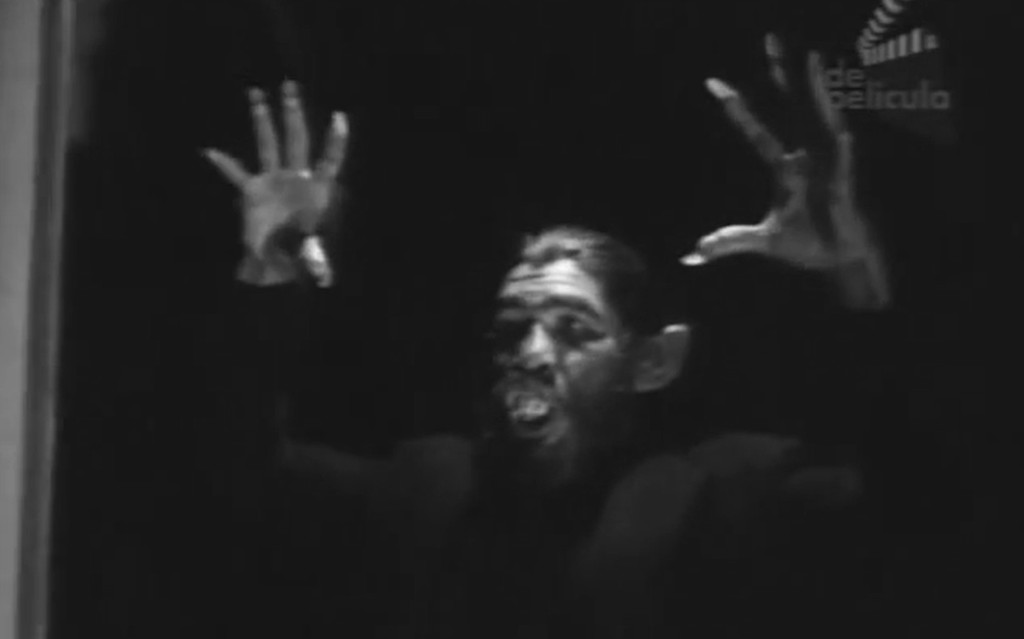
The monsters themselves are certainly not up to Universal quality, but for a low-budget comedy they are not bad. Clearly special makeup creator Antonio Neira has put a lot of effort into his creations, with what must have been a very limited budget. Still, the werewolf is just an actor with extra hair and set of fangs added, and the Frankenstein monster a guy with is face painted white, with a wig and spark plugs in his neck. The head piece for the gill-man is actually quite nicely crafted, but the rest of his body is simply an unadorned latex suit by the looks of it. The mummy has a decent face makeup, but the rest is simply bandages. Germán Robles probably supplied his own Dracula costume. Robles had created a huge splash in the previous year as the Dracula clone “Karol de Lavud” in El Vampiro, and his cameo must have been a delight for the contemporary audience.
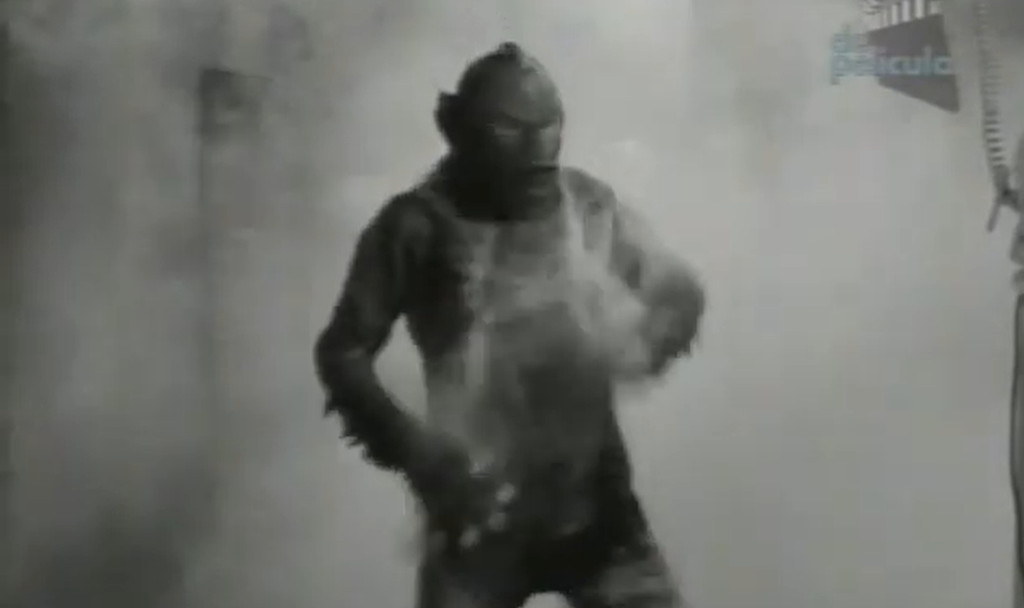
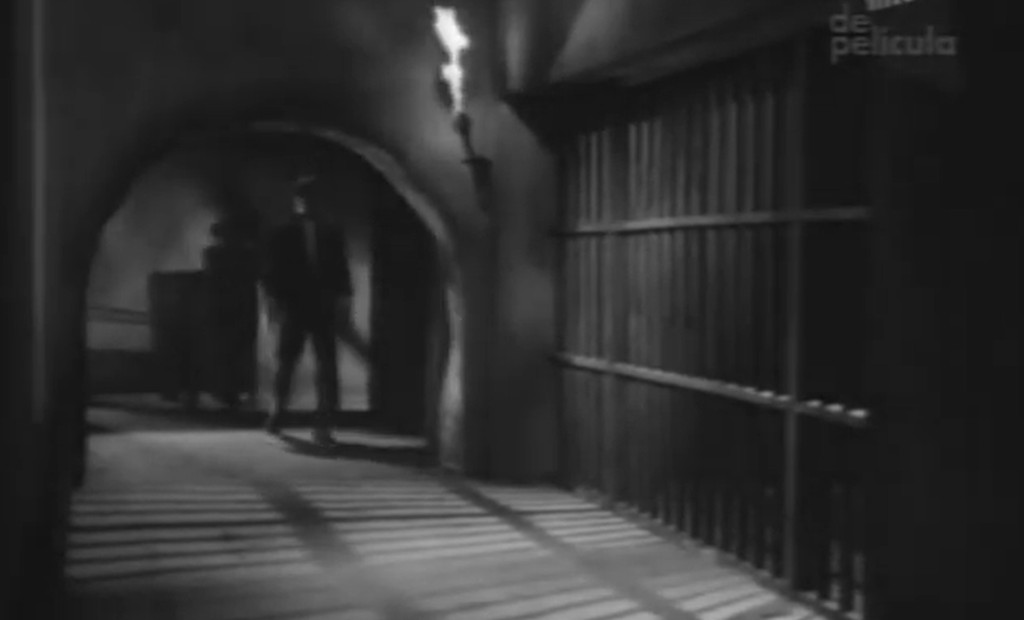
Visually El castillo de los monstruos is sometimes surprisingly accomplished. Julián Soler manages to conjure up images that would not be out of place in the best of the Hollywood horror movies of the 30s and 40s. An opening shot of a hearse arriving at the castle sets a very creepy tone from the very beginning, and there are several moments where Soler and cinematographer Víctor Herrera conjure up some nice gothic lighting. Overall, however, Soler’s direction is workmanlike, which was probably necessary on the schedule and budget the film was made on. But considering his forte was comedies, he is surprisingly adept at staging a horror movie. Plus, there are a couple of nice effects thrown in here as well, including the classic foil of a room with moving walls and spikes coming down from the ceiling, threatening to crush our romantic leads.
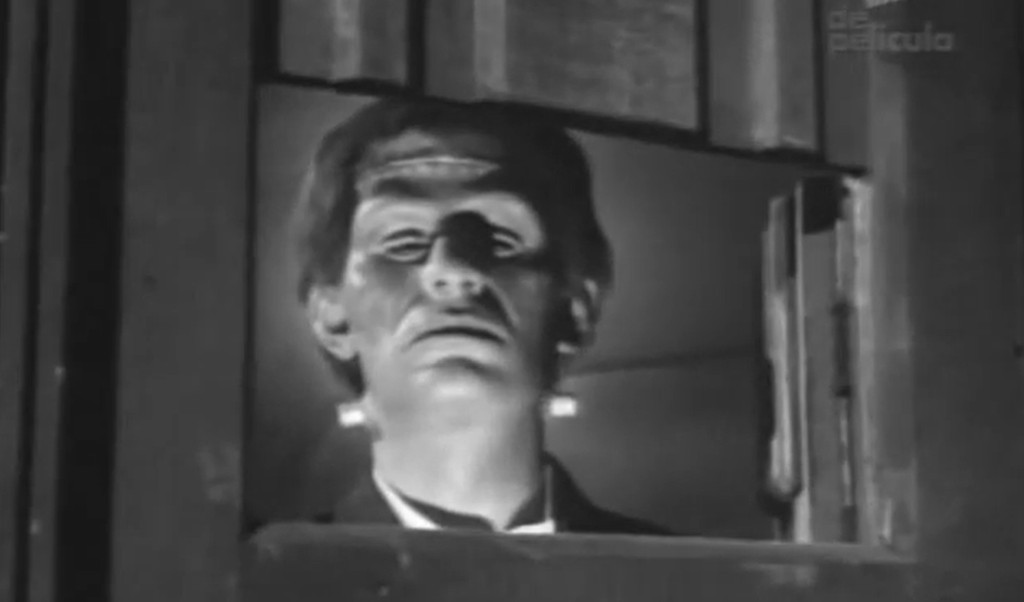
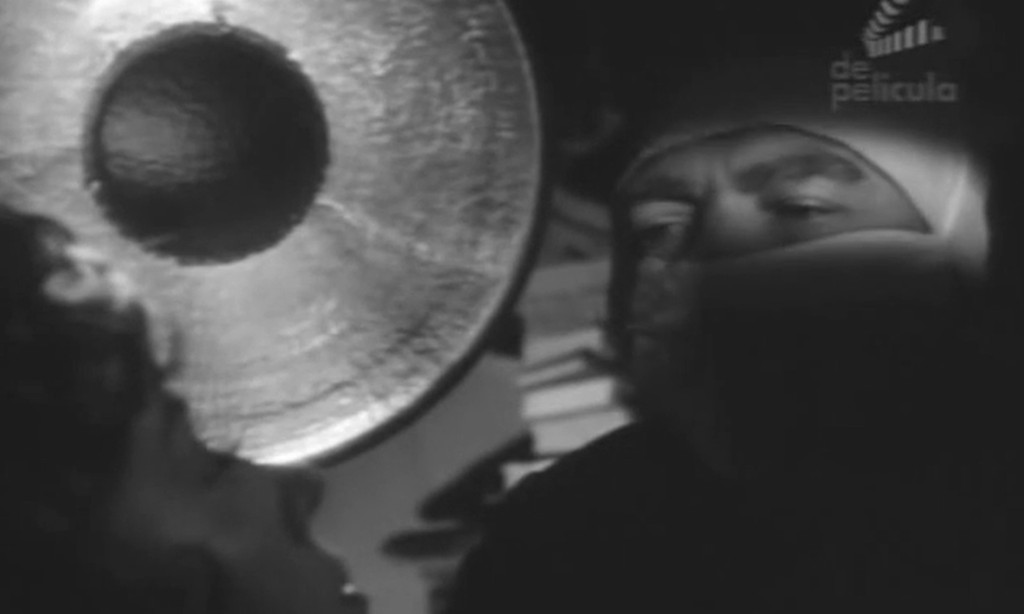
It is always difficult to appraise the acting in screwball and slapstick comedies. Antontio Espino/Clavillazo doesn’t so much act as perform, and his performance is, as always, both energetic and effective. Without understanding the dialogue it is difficult to fully assess the impact of his comedy, especially since it is primarily verbal. His two sidekicks, Gargles and Lollipop (José Wilhelmy and José Luis Moreno) are also caricatures, and the actors spend most of their time mugging appropriately. The rest of the cast, however, play there roles more or less straight. Evangelina Elizondo also appeared in Los platillos voladores (1956) and her performance in El castillo de los monstruos shows her acting range. Where in the former film she showed off a bubbly, light, personality, in the latter she gives a more serious, emotional performance. Carlos Orellana gives a solid performance in the dual role of the blind neighbour Don Melchor and the evil Dr. Sputnik. As Sputnik, he plays most of the film behind a surgeon’s mask, obscured by shadows, and had I not read the plot synopsis beforehand, I might not have realised they were one and the same person until the reveal.
El castillo de los monstruos is one of the better Mexican SF/horror comedies I have watched thus far for this blog. The plot remains engaging for most of the picture, even if the first half of the movie comprises of a few too many scenes that have no bearing on the actualy story, and serve as little more that disparate skits that pad out the film’s running time. As far as the comedy goes, I found the picture amusing, but not laugh-out-loud funny. As far as the situation comedy goes, much of what is presented on screen was rather old hat even in 1958 – drawing on the old dark house comedies of the silent and early sound era, more than anything, and with inspiration from the Abbott and Costello movies. Granted, I have never been a fan of A&C either, so a viewer with an affinity for their type of comedy might find El castillo de los monstruos funnier than I did. Plus, of course, one muct account for the fact that I do not speak Spanish, and can thus not evaluate the verbal comedy, of which there is much. As stated, Julián Soler creates some surprisingly good gothic atmosphere, but I wish more had been done with the monsters than having them chase after Clavillazo cartoon-style. For horror comedy fans, this is well worth a watch, if for no other reason than its hictorical pedigree.
Reception & Legacy
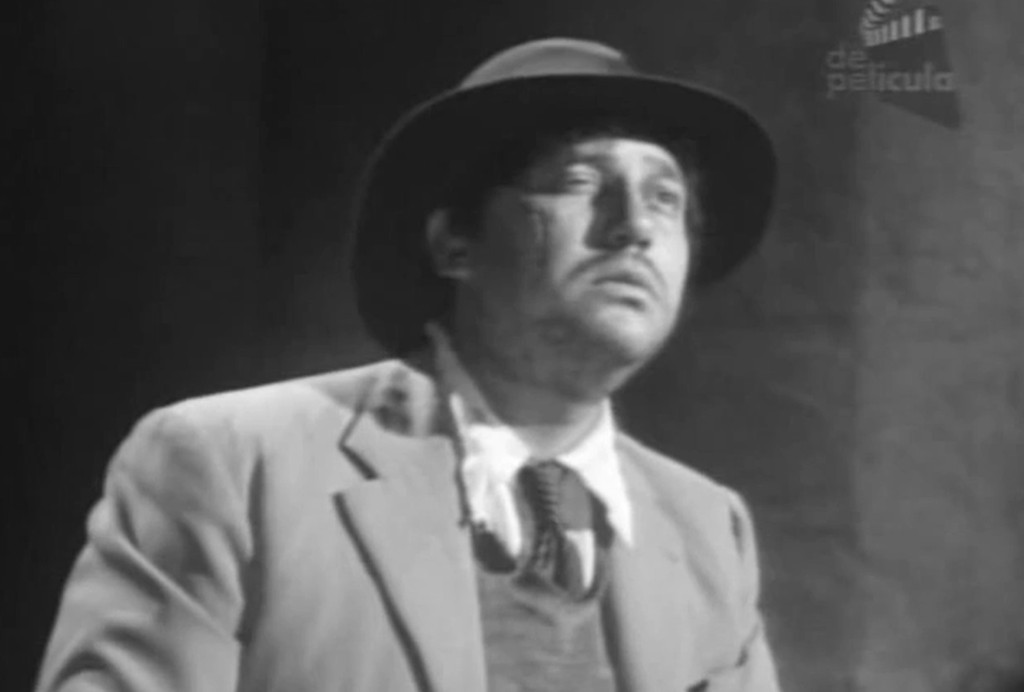
El castillo de los monstruos premiered in October, 1958 in Mexico, and was actually distributed in the US as well, by Columbia, but as far as I can tell only in the original Spanish language, aimed at the Latino audience.
Unsurprisingly, I have found no reviews from the period the film was released, either from Mexico or anywhere else. In fact, I have found no proper review of El castillo de los monstruos from Mexico at all on the internet. What I find are a few mentions of the film here and there, mostly in articles about Germán Robles and Clavillazo. The only Spanish-language review I can find is from Spain. At the blog La Mansion del Terror, Oscar Arias gives a somewhat negative critique on the movie. Arias‘ main problem is that he isn’t particularly fond of this type of Mexican comedy, and he takes affront to the fact that the monsters aren’t treated with the proper respect, but “treated like idiots”, even if he concedes that this is “a classic element of genre comedies”. Arias concludes: ” Viewed today, it feels very dull, except for fans of these Mexican comedians”.
British star critic Kim Newman is even harsher in his critique: “Director Julian Soler frames one or two things that look good in stills but mostly stands back and lets the comic jump up and down in a desperate plea for laughs that don’t come, while the action is staged in a primitive Mascot serial/Jerry Warren manner. Rubbish, but rare.”
Mark David Welsh is more forgiving, conceding that “delivering laughter is top of the agenda here”. He writes that Clavillazo & co ramp up the comedic drive to the max in the film’s final third, and that the references to the Universal monster are “sometimes vaguely amusing”. Welsh continues: ” Similarly, the sets and Soler’s direction create a bit of atmosphere in the moments between the jokes, and the monster makeups aren’t as tragic as you might expect”. Mark Cole at Rivets on the Poster is downright positive: “I’ll confess that I enjoyed this one, no matter how shabby its thrift store monsters might be. It has a certain energy to it, and the romance is nicely played. I’m not exactly sold on the Clavillazo character, but he’s played with a lot of enthusiasm and does quite a few rather dangerous stunts along the way, like his repeated falls down the hotel staircase.”
This seems to be one of the numerous cases where Phil Hardy has reviewed a film for his Encyclopedia of Science Fiction Movies without actually having seen the picture in question. Hardy erranously claims that the film is a “haunted house comedy” parodying the 50s AIP movies and “deploys the old cliché of the couple whose car breaks down, forcing them to spend the night at a deserted castle”.
El castillo de los monstruos seems to have been quite successful at the Mexican box office, as several Mexican sources cite it as popularising the Mexican horror comedy, spawning such successors as the Piporro vehicle Ship of Monsters (1960) and La casa del terror (1960), starring Tin Tan and Lon Chaney Jr.
Cast & crew
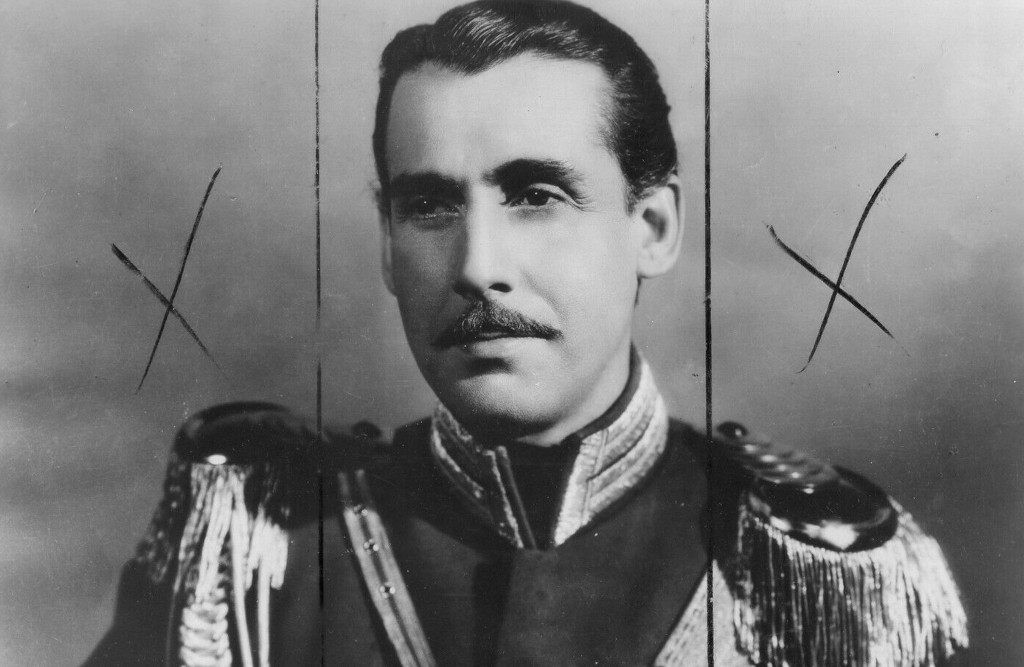
Director Julián Soler was the youngest brother of the so-called Soler Dynasty, a group of five siblings who all rose to prominence during the Golden Age of Mexican cinema in the 30’s. He made his screen debut in 1934. During his career he performed in close to 60 movies between 1934 and 1978, the best remembered being the classic Doña Bárbara with María Félix, who would go on to become Mexico’s biggest movie star, in a career-defining role, opposite Julián’s leading man.
However, while successful as an actor, Soler became more interested in directing and made his directorial debut in 1943 with the romantic drama Tormentia en la cumbre, in which he also starred. During his career he directed over 80 films, primarily comedies and dramas. While never counted among the top directors of Mexico, he had a few hits, like the Zorro-inspired Cruz Diablo (1934), the mystery drama La mujer X (1955), which introduced multiple Ariel award winner Alejandro Parodi to a broad audience, the romantic drama La tercera palabra (1956), which was the first of four films to team up Sara García and Prudencia Griffel as the kick-ass granny sisters Matilde and Angelina, as well as the horror anthology Panico! (1966). He directed the science fiction musical comedy Los platillos voladores (1956, review), the SF-tinged horror comedy El castillo de los monstruos and the lucha movie Santo vs. Blue Demon in Atlantis (1970). In the book Screen Sirens Scream!, leading lady Evangelina Elizondo calls Soler “a very good director, but a little bit neurotic”.
Producer Jesús Sotomayor Martínez was a prolific producer of low-budget movies between 1956 and 1970. He specialised in comedies and westerns, and directed a handful of horror comedies, but also a couple of genuine horror movies. As for his science fiction pedigree, he directed six SF movies: El castillo de los monstruos (1958), Ship of Monsters (1960), Conquistador de la luna (1960), Aventura al centro de la tierra (1965), Santo and Blue Demon vs. the Monsters (1970) and Santo contra Blue Demon en la Atlántida (1970). He is probably best known for his three Santo films from 1979, which remained his final productions.
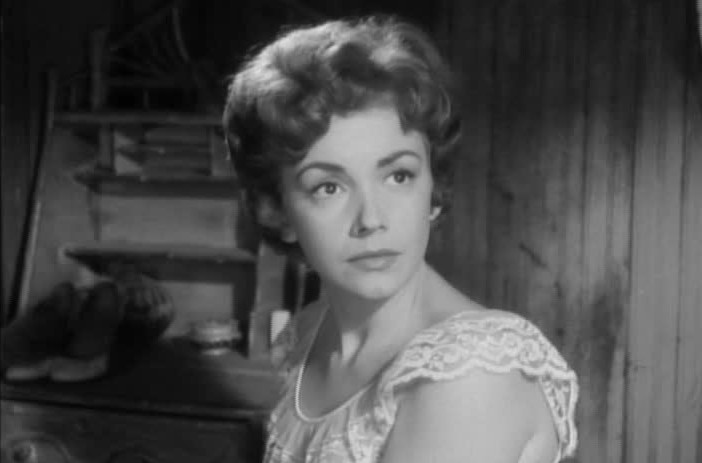
Lead actress Evangelina Elizondo was a remarkable woman. At a young age she excelled as a painter and got degrees in both art and theology, and had a keen interest in singing and dancing. She started her film career as the Spanish voice of Disney’s Cinderella in 1950, when she won a contest during her studies at the university, according to an interview in the book Screen Sirens Scream! by Paul Parla and Charles P. Mitchell. This opened the door for her for both stage work and later movies — she specialized in comedy and musicals, as she says her real passion was singing and dancing, and she wasn’t that interested in dramatic roles. In Screen Sirens Scream! she lists all her three SF movies; Los platillos voladores (“an excellent picture”), El castillo de los monstruos (1958, with Clavillazo) and El superflaco (1959, review). During the 70’s and 80’s Elizondo partly retired from film work, but made a bit of a comeback in TV in the late eighties — first co-starring with Resortes in El abuelo y yo (1992), and then making a splash as Doña Emilia in the telenovela Mirada de mujer, which led to more featured telenovela work in the 2000’s. Furthermore, Elizondo has recorded several music albums, was a respected artist and published a book on art and a book on philosophy. She passed away in 2017.
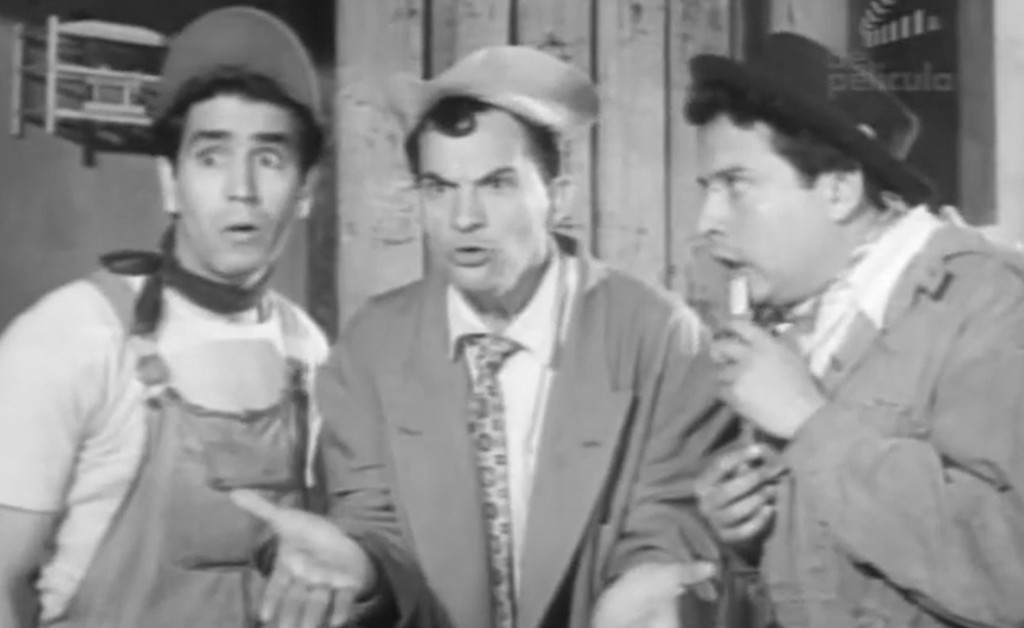
The character of Clavillazo is a staple of Mexican comedy – a poor man of the people, uneducated and blunt, a bit of a wise-cracker, a bit of a troublemaker, but ultimately a man with a kind heart and an unbreakable sense of justice and decency. The original mold for this character was naturally Charlie Chaplin’s tramp, but the Mexican blueprint was Cantinflas, born Mario Moreno. The character of Cantinflas, which Moreno used as an alter ego for the rest of his career, made his debut in 1939. Although adept at physical comedy, his puns were mainly verbal, and he set the template for a number of imitators. Although often in an employment of some sort, Cantiflas’ characters were were always lower or working class. Like Chaplin, he had dark, handsome features and melancholic puppy eyes, which sent women (and men, I’m sure) swooning.
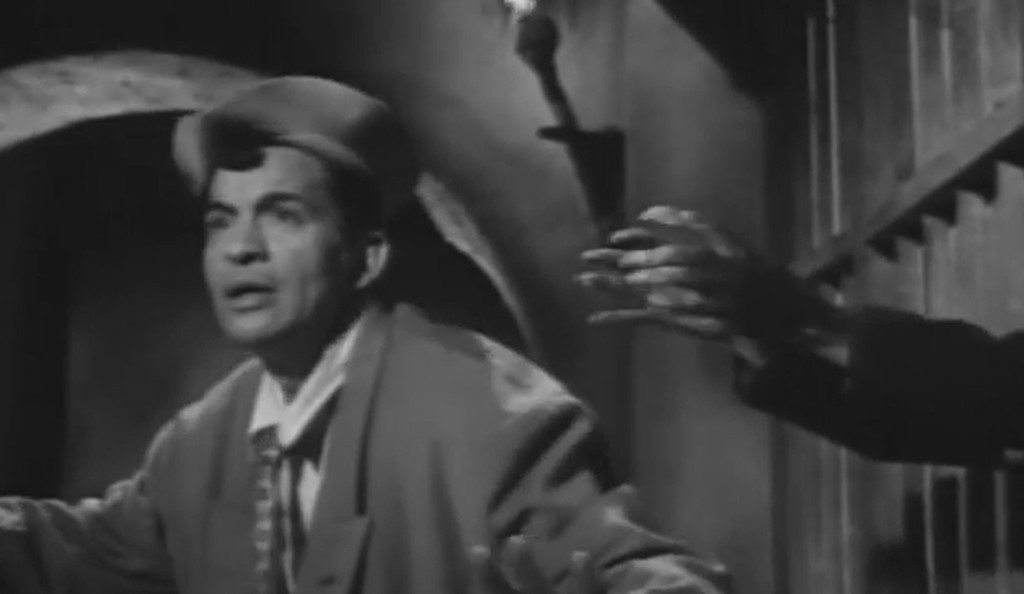
Antonio Espino didn’t have Mario Moreno’s looks, and had to work for 20 years on perfecting a character that would make his name. Finally he happened on Clavillazo, which, like Cantinflas, is a fast-talker, but louder and broader. Clavillazo has a nervous, jerky, almost boisterous energy about him, often exaggerating his facial expressions and using a lot of hand gestures. So ubiqutous to his character was this last trait, that he became known as “the comedian with the talking hands”. According to the book Mexico’s Cinema (Hershfield, Maciel, 1999), Espino developed his peculiar “sign language” as a kid, when communicating with his deaf little brother. Whereas Cantinflas was recognised by his strange little moustache, the small red handkerchief around his neck and his array of hats, Clavillazo’s trademark was a pair of large Knickerbocker pants, a dinner jacket several sizes too big and a peculiar three-pointed hat. Although never challenging Cantinflas’ spot as Mexico’s comedian number one, Clavillazo was very popular throughout the 50s and the early 60s, when Espino’s career started to decline somewhat. He kept on acting up until the mid-eighties, though. Antonio Espino appeared as Clavillazo in three science fiction films; Una movida chueca (1956, review), El castillo de los monstruos (1958) and Conquistador de la luna (1960).
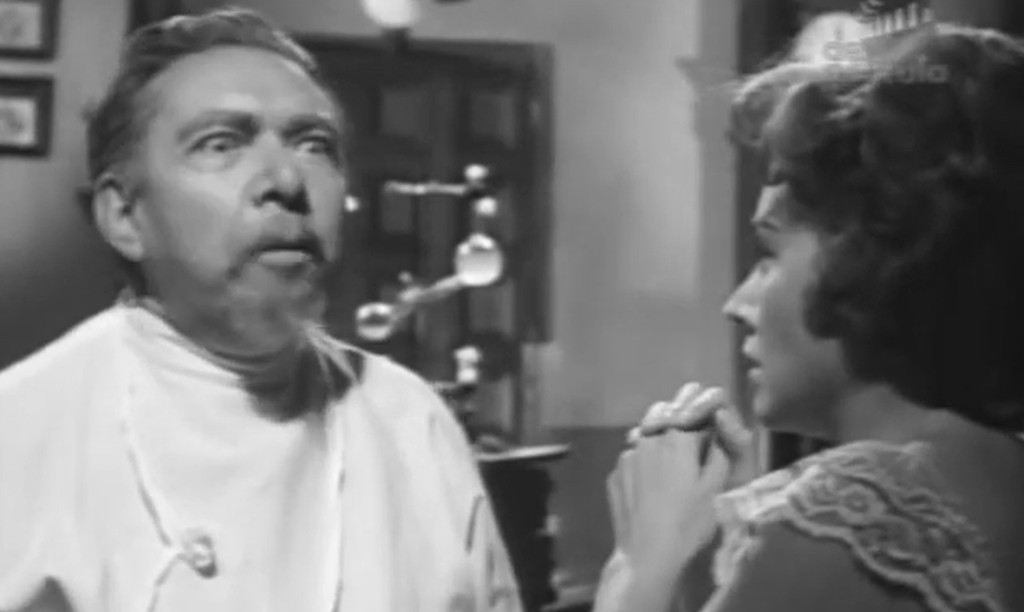
Carlos Orellana, who portrays both Don Melchor and Dr. Sputnik in El castillo de los monstruos, was a revered veteran in the Mexican film industry – as a screenwriter, director and actor, and as a mentor to many young people in the movie industry. Orellana appeared in Mexico’s first sound film, Santa (1932), in which he played the piano and sang, and appeared with all of Mexico’s comedy stars: from Cantinflas in his first movie to Resortes, Tin Tan, Clavillazo, Piporro and Evangelina Elizondo. As a screenwriter Orellana had his greatest success writing drama and comedy for director Ismael Rodríguez and movie star and singer Pedro Infante in the 40s and 50s. As an actor, he primarily did character parts, remembered particularly from the horror classic La llorona (1932) and the horror comedies El signa de la muerte (1939, with Cantinflas) and El castillo de los monstruos (1958, with Clavillazo). He co-wrote four SF comedies: Una movida chueca (1956), Los platillos voladores (1956), El castillo de los monstruos and El superflaco (1959). Orellana was nominated for an Ariel Award for best screenplay in 1955.
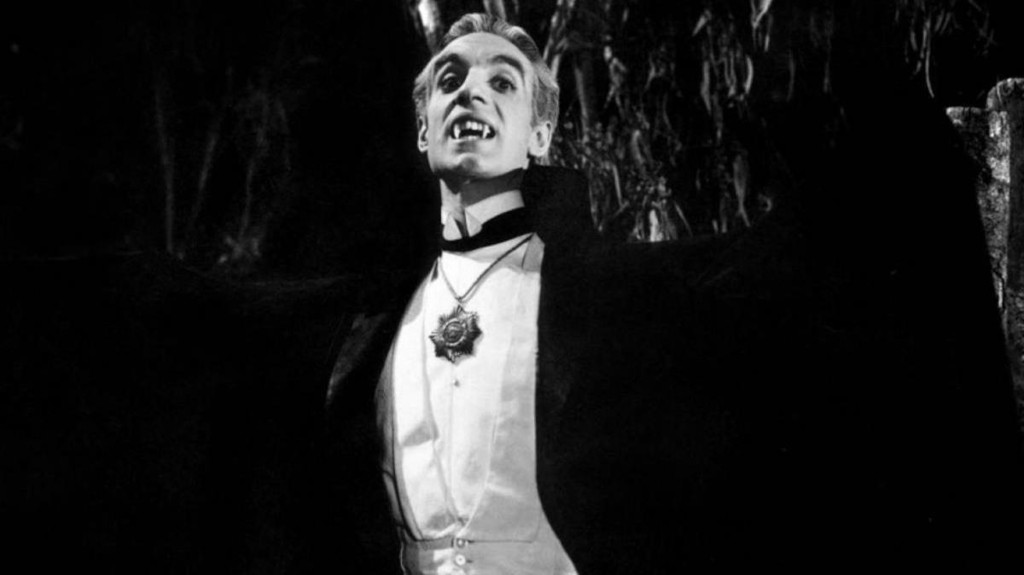
Germán Robles‘ international fame rests on eight films made between 1957 and 1962, in all of which he played a vampire. He made a splash on the Mexican screen in 1957 with El Vampiro in the role as “Karol de Lavud”, a vampire modelled on Bela Lugosi’s portrayal of Dracula in Universal’s classic 1931 film. He reprised the role in The Vampire’s Coffin (1958) and in a humorous turn in El castillo de los monstruos (1958). After this, he took on a another vampire role, called “Nostradamus” in five movies, starting with The Curse of Nostradamus (1961) and ending with The Blood of Nostradamus (1962).
Spanish-born Germán Robles was catapulted to fame – El Vampiro was his first film role. And while it was released a year before Hammer’s epoch-making The Horror of Dracula, Robles’ vampiric period coincided with Christopher Lee’s meteroic rise to stardom in England and the rest of the world, and with a resurgence in the popularity of the classic horror monsters. Not without cause, Robles was dubbed “the Christopher Lee of Mexico”. However, wanting to avoid typecasting for the rest of his career, he only appeared in a handful of horror films after 1962. One of the most notable ones is El baron del terror (1962), which was later distributed with English dubbing on TV in the US as The Brainiac, and has since achieved cult status as one of the weirdest and silliest horror movies from Mexico’s golden age of horror.

But of Robles‘ around 70 film appearances, most are more traditional fare – thrillers, romance, drama, comedy. But in particular, he became a familiar face in telenovelas. Robles also had a successful career as a voice actor. In latter years he provided the Mexican voices for several iconic characters in Disney and Pixar animations, but also did a lot of dubbing for live action movies. For example, he voiced the role of Parker in Alien (1979), the villain SARK in Tron (1982), KITT in Knight Rider, Dr. Silberman in Terminator (1984) and Terminator 2: Judgement Day (1992). He also dubbed Bill Nighy as Davy Jones in the Pirates of the Caribbean films. In a fitting full circle, Robles voiced the Spanish-language version of Count Dooku in the animated TV show Star Wars: Clone Wars in 2003 and 2004 – a role that was originated by Christopher Lee.
Janne Wass
El castillo de los monstruos. 1958, Mexico. Directed by Julián Soler. Written by Fernando Galiana, Carlos Orellana, Julián Soler. Starring: Clavillazo, Evangelina Elizondo, Carlos Orellana, José Wilhelmy, José Luis Moreno, Alejandro Reyna, Germán Robles, Guillermo Orea. Music: Gustavo César Carrión. Cinematography: Victor Herrera. Editing: Teódulo Bustos. Production design: Gunther Gerszo. Makeup: Rosa Guerrero. Monster makeup: Antonio Neira. Special effects: Juan Muñoz Ravelo. Produced by Jesús Sotomayór Martínez for Producciones Sotomayor.


Leave a comment