
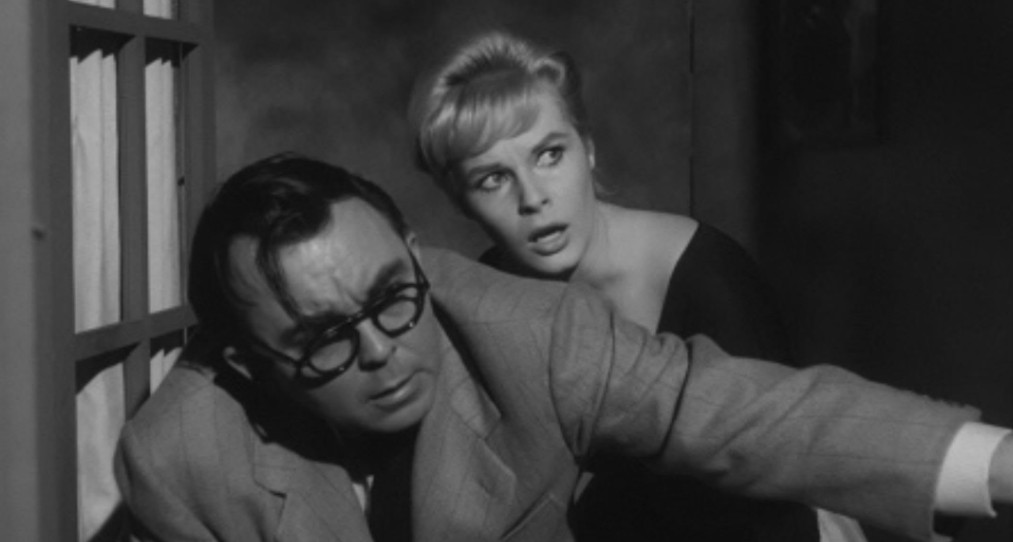
Scientists grow vicious shrews the size of coonhounds on a mysterious island. Gordon McLendon’s 1959 low-budget cult classic has a cliché-ridden, casully racist and talky script, but it’s straightforward, competently filmed and manages to entertain. 4/10
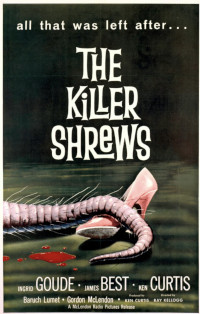
The Killer Shrews. 1959, USA. Directed by Ray Kellogg. Starring: James Best, Ingrid Goude, Ken Curtis, Baruch Lumet, Gordon McLendon. Produced by Ken Curtis & Gordon McLendon. IMDb: 4.2/10. Letterboxd: 2.4/5. Rotten Tomatoes: 4.6/10. Metacritic: N/A.
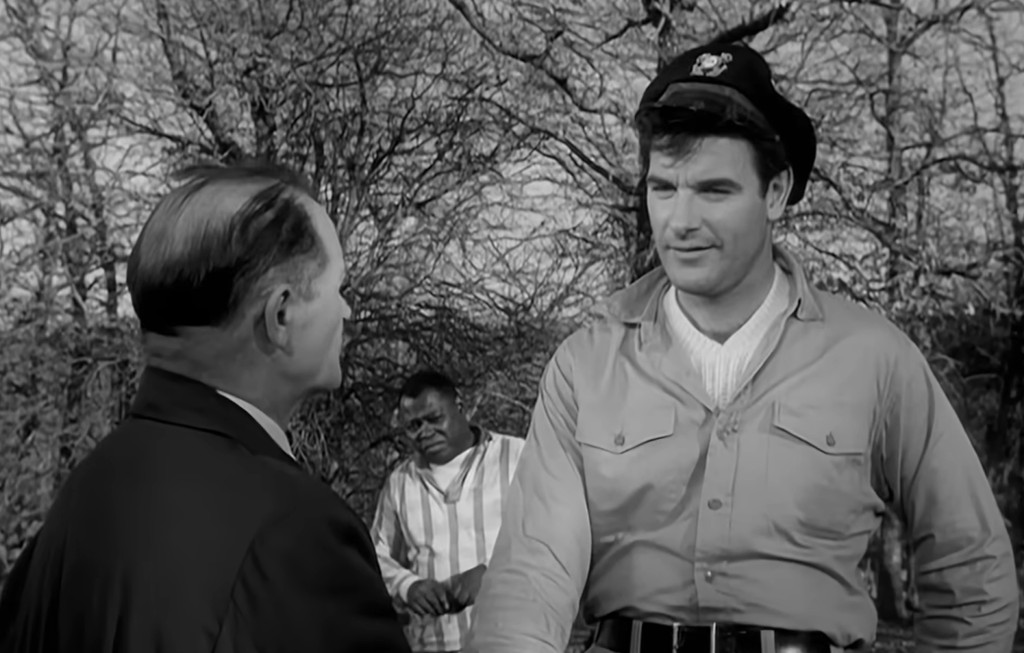
As a hurricane brews, rugged boat captain Thorne (James Best) and his friend and sidekick Rook (Judge Henry Dupree) arrive at a mysterious island, delivering supplies to secretive scientist Dr. Marlowe Craigis (Baruch Lumet) and his team. Forced by the weather gods to spend the night at the research station, Thorne learns about the experiments going on there: an attempt at changing the size of shrews. However, in trying to shrink the shrews, Craigis and his team have accidentally managed the reverse, and created hundreds of bloodthirsty, mutated shrews the size of large dogs that are now loose on the island. With radio communications down and the hurricane preventing escape, Thorne and the scientists must barricade themselves in the station and find a way to survive the inevitable onslaught.
1959’s The Killer Shrews was produced by Gordon McLendon and directed by Ray Kellogg as the double bill to their own would-be cult classic The Giant Gila Monster (review). Today both films are firmly in the pantheon of so-bad-they’re-good films. Produced on a budget of around $150 000, the double bill was a success at the drive-in-circuit and both movies continue to enjoy a cult following among 50s horror and sci-fi enthusiasts.
Dr. Craigis is the odd monster maker in 50s movies that is neither evil nor mad, as his only flaw seems to be that he is perhaps misguided and naive. As he explains to Thorne, his goal is to find a solution to future overpopulation. With a some pseudo-scientific justification, he proposes that the smaller a creature is, the less it eats and the longer it lives. Thus, he wants to genetically engineer humans to be half as big and live twice as long, thus solving the problem of feeding the growing population (yeah, I’m not sure that logic holds up). Currently he is experimenting this idea with shrews. A shrew, as Shakespeare would tell you, is hard to tame, but it is also a mouse-like animal in the mole family and among the world’s smallest mammals. However, an accident has turned Craigis’ shrews into giant, bloodthirsty monsters, that, having now devoured all of the island’s wildlife, are turning on its human inhabitants. And oh, they are also poisonous, so that even a small nibble kills a human instantly.
Craigis’ companions on the research station are his daughter Ann (Miss Sweden Ingrid Goude), his fellow scientists Dr. Jerry (Ken Curtis of Gunsmoke fame) – the resident asshole – and Dr. Radford (producer Gordon McLendon) – the brilliant but socially awkward egghead, as well as manservant/handyman Mario (Alfredo de Soto) – the token Mexican doomed to die a horrible death.
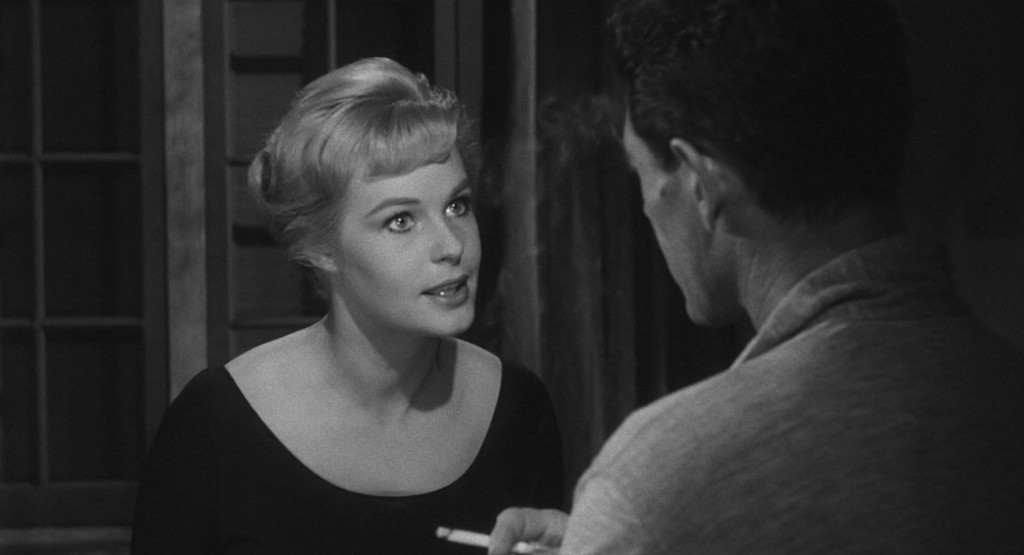
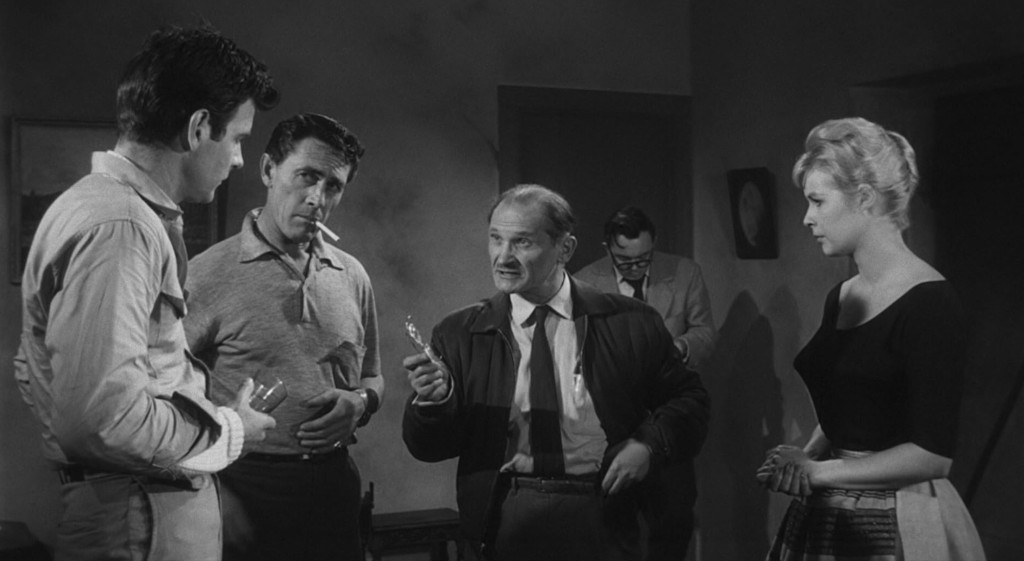
Holed up in the research station, our merry bunch of misfits spend their time arguing over the merits of science versus the merits of being ignorant and selfish (read: a real man), fighting over Ann, drinking, drinking and drinking more, getting involved in fisticuffs, and on the side trying to find a solution to their predicament. Thorne convinces Ann that she really doesn’t want to be a scientist, because she is a woman. Jerry tries to assasinate Thorne twice because he wants Ann for himself While his partner is getting tipsy on martinis and smooching with the only woman in town up in the cottage, token black sidekick Rook is sent off to sleep in the boat, and gets eaten before he reaches the shore. Unsurprisingly, Mexican Mario is the next to go, when a shrew breaks in to the compound. Loveable but disposable Radford is the third man down. Finally the monsters start burrowing their way through the soft adobe walls, prompting our heroes (sans one, you can guess who) to make their escape in a genuinely original but somewhat impractical manner.
Background & Analysis
Texan millionaire, radio pioneer, oil profiteer, movie advertiser and conservative Democrat lobbyist Gordon McLendon was also heavily involved in the movie theatre business – by 1959 he owned over 40 movie theatres across Texas and the American South, many of them drive-ins. There are several explanations as to why he chose to produce two shoestring-budget movies, but the most plausible reason seems to be that this was just another mountain for this ever restless entrepreneur to climb. But, ever the shrewd businessman, he also looked to make a buck out of it, so he decided to produce the kind of dirt-cheap B-movies that were the fodder of his drive-in chains. Numbers vary depending on the source, but the budget for The Killer Shrews was around $130 000. Both this film and its companion, The Giant Gila Monster (review) were shot back-to-back on McLendon’s Cielo Ranch. Indoor footage for The Killer Shrews was shot at the United National Film Corporation Studios in Dallas, and the outdoor shots at Lake Dallas, adjacent to McLendon’s ranch. Both Movies were written by Jay Simms and directed by veteran special effects master Ray Kellogg. Seasoned Hollywood cinematographer Wilfrid Cline shot both films, and they were edited by likewise Hollywood pro Aaron Stell.
Reliable charactor actor James Best was chosen to play lead against Miss Sweden and Miss Universe second runner-up Ingrid Goude. Theatre actor and director Baruch Lumet – father of Sidney Lumet – played the resident non-mad scientist, character actor and singer Ken Curtis the “heavy”, and the main cast was rounded out by producer Gordon McLendon himself. The rest of the cast was made up of people from McLendon’s circle: employees from his radio stations, friends and family. It is, overall, a fairly strong cast for a film of this sort, even if the dialogue doesn’t do them many favours.
As far as for plot, The Killer Shrews is a better written movie than its double-bill companion. As opposed to The Giant Gila Monster, this is a much more focused and straightforward story. As I mentioned in my review of Gila Monster, the cast & crew of these two films have many connections to John Ford, and it may or may not be a coincidence that screenwriter Jay Simms used one of the tropes that Ford perfected in films like The Lost Patrol (1934) and in Stagecoach (1939), that of a small crew pinned down in a “fort”, fighting off an insurmountable force of enemies.
While Ford is sometimes credited for inventing this trope, that’s certainly not the case. Much of the media, especially in US American culture, depicting a small band trapped and fighting off an overwhelming enemy, comes from the lore surrounding the battle of Alamo in 1836. We can find literary precedents in James Fenimore Cooper, H. Rider Haggard, Guy de Maupassant, among others. Of course, this was also a recurring trope in cheap B-movies: concentrating the action to a single small location was an easy way to cut down on costs and avoid long shooting schedules. It feels as if half of the films I’ve reviewed in the past year have used this trope.
In my opinion, The Killer Shrews feels like a mashup of two past films: Island of Lost Souls (1932, review) and The Naked Jungle (1954). In both Island and Shrews, we deal with a captain arriving to a mysterious island where a doctor is performing strange experiments on animals, turning them into monsters. As the monsters rebel against their master, the protagonists must lock themselves up and defend themselves – and both films also feature a number of attempts to get from the base to the boat through “enemy territory”. Both feature a woman stuck in the precedings, a weasely research assistant and a drunk, and a silent butler/assistant. However, the siege part of the story is not quite as prominent in Island of Lost Souls. Here I am more reminded of the climax in Byron Haskin’s 1954 adventure/romance movie The Naked Jungle, in which Eleanor Parker and Charlton Heston must board up at a Brazilan coffee plantation and defend themselves against a scourge of army ants. Here, too, the finale involves a daring dash towards water, in this case a river.
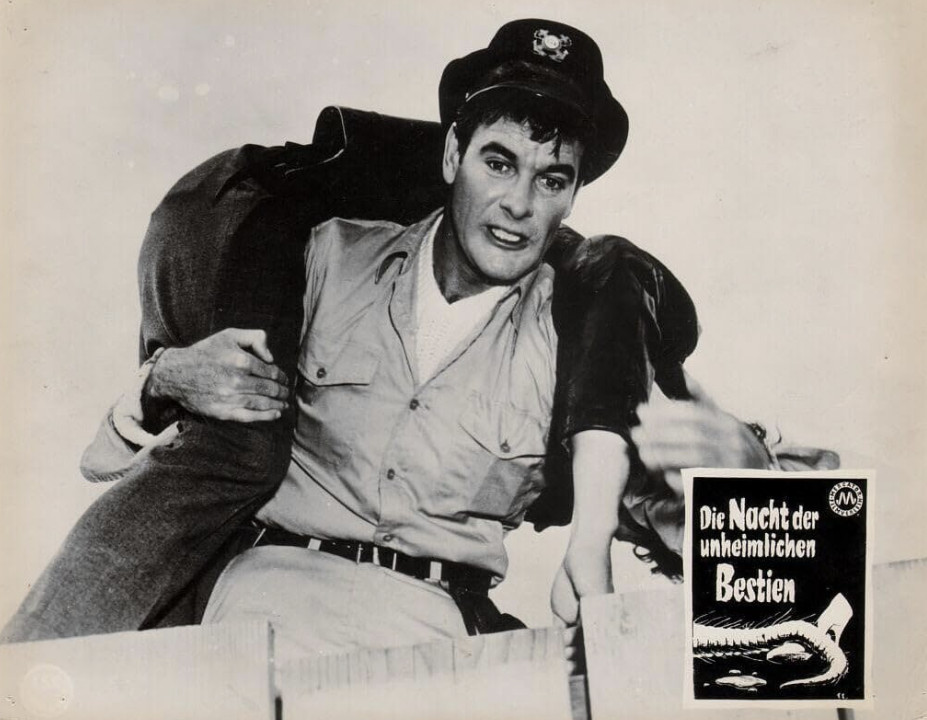
Speaking of Charlton Heston, the trailer for the film described his character as a “two-fisted roughian”, and the lead in The Killer Shrews, played by James Best, seems to be partly based on Heston’s character. Ken Curtis’ character Jerry, on the other hand, seems modelled on Arthur Hohl’s Montgomery in Island of Lost Souls. Both are embittered cynics and cowards that don’t share their boss’ lofty scientific goals, but are forced to work on the island because they were cast out or scientific/medical society due to their personal failings. Both are threatened (sexually and socially) by the arrival of an “alpha male” to the island, and represent a defeatism countered by the gung-ho attitude of the protagonists. Barauch Lumet’s Dr. Craigis, and his daughter Ann (Ingrid Goude) don’t really fit into any of the above-mentioned movies’ character gallery – Dr. Craigis is neither mad nor evil, and Ann is a different character than both her counterparts, even of her kind-hearted naivete that of Ruth Thomas’ in Island. However, the father-daughter scientist duo has many precursors in science fiction movies, from The Man from Planet X (1951, review) to 20 Million Miles to Earth (1957, review). Here, perhaps, the closest parable is Morbius and Altaira from Forbidden Planet (1956, review): Morbius and Craigis are both well-meaning but misguided scientists who seem hostile to begin with, but end up owning their mistakes when they realise that they have created monsters. Altaira and Ann are both devoted and naive daughters that end up switching loyalties toward the end (Altaira confronts her father and Ann breaks loose from the hold that Jerry has over her).
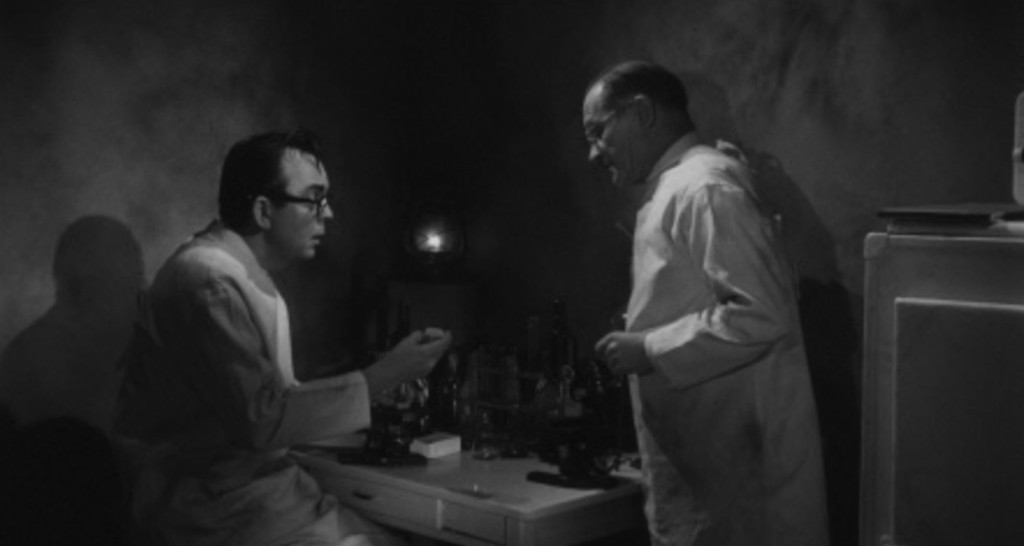
Now, some of these similarities may be coincidental, and others simply unconscious choices made by Simms while writing up a script on short notice. But I feel that unlike the case in the jumbled The Giant Gila Monster, the script for The Killer Shrews shows a writer well-versed in film history who tried to put at least some thought into the proceedings, resulting in an at least halfway solid and engaging plot and some character development, be they predictable and clichéd.
The “two-fisted roughian” leading man is an extremely tiresome cliché that overpopulates B movies from the 40s even to this day. The reason these one-dimensional balls of toxic masculinity exist is that they are modelled on a popular type of leading man in better scripted movies, in which the character’s bruteness served as a crucial theme in the story – springing from insecurity, trauma, misguidedness, etc. The point of Heston’s brutality in The Naked Jungle is that his encounter with Eleanor Parker changes him. Or take Humphrey Bogart’s Rick in Casablanca (1942) – where Bogart has to portray an entire nation waking up from its self-centered cynicism and join “the good fight”. Thorne in The Killer Shrews, as in so many similar films, is a character that starts the film in the same vein as these kind of better written characters, but then refuse to develop. That’s because these films aren’t about character development, but, in the case of science fiction and horror B-movies, about monsters and aliens (of course, there are exceptions). Like in the A-movies that inspired them, they often meet a woman whom they reluctantly fall in love with, but while the women in the A-movies help bring out a change in the male protagonist, in the B-movies it is almost inevitabely the man who changes the woman.
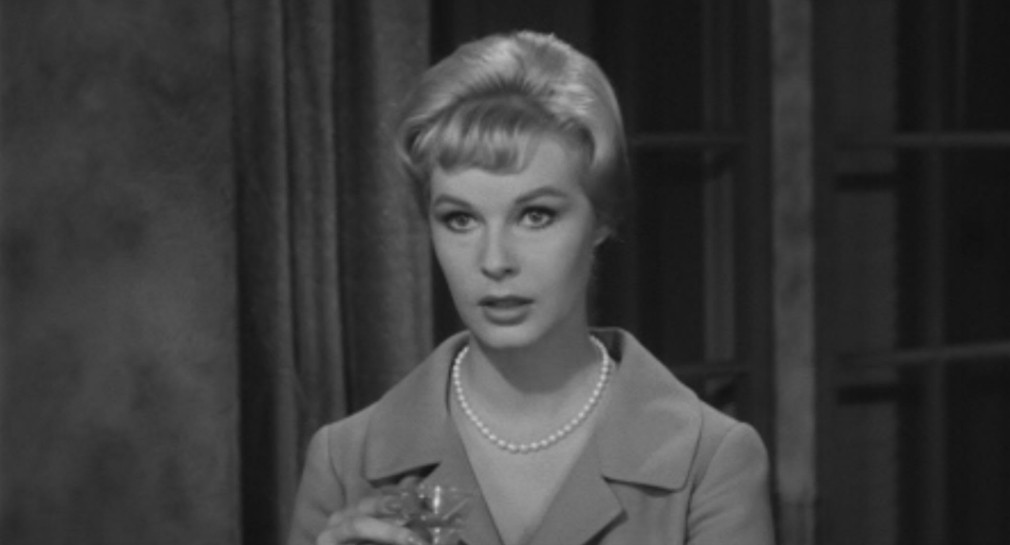
Such is, once again, the case in The Killer Shrews. This is not by far the most egregious example of the trope of a man convincing a woman that she would be far happier just making kids and cooking than pursuing science and adventure, but there is a scene towards the end of the movie that reiterates this theme. After having previously defended women’s place within science, at the end of the film a humbled Ann sits with Thorne in a couch, telling him that her experiences have made led her to the conviction that what she really wants to do is settle down and live a “normal, dull life”. This, unsurprisingly, is the point at which Thorne fully accepts her as suitable love interest.
These tropes not only expose some lazy and formulaic writing, but also the conservative streaks behind many of these films. This was often continuation of the push for “traditional” values tauted by the powers that be during the 50s, designed to undermine and demonise subversive movements like the civil rights movements, feminism and socialism. In sci-fi in particular, these also came coupled with a distrust of progress and science as “dealing with things that man should leave alone”.
In The Killer Shrews, however, that film’s message is at the least garbled, if there even is one. Dr. Craigis, although he is redherringed into being a potential threat, turns out to be a very sane and altruistic scientist who is trying to find a solution for the inevitable overpopulation of the Earth. The fact that he has created monsters is not really put down to any megalomanic streak or hubris, but rather to a genuine accident – and if I read the plot correctly, it’s actually a drunken Jerry that causes the accident and not Craigis. And while Craigis does express regret over the outcome of his research, neither he nor the film quite denounce it, which makes it difficult to suss out what the film is actually trying to say.
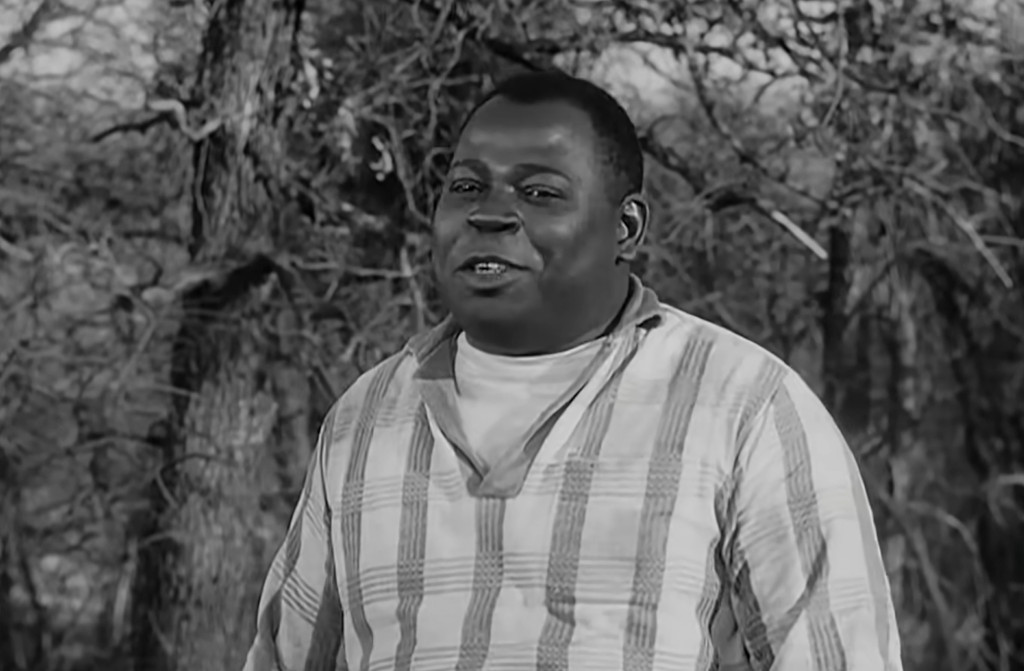
Speaking of conservative values, this is a prime example of the casual racism inherent in US American culture in the 50s. The film has one black character, which is, to the film’s credit, portrayed in a positive light, that of Thorne’s partner Rook, played by Judge Henry Dupree. However, the portrayal is marred by his character speaking in Mantan Moreland-esque minstrel vernacular and overall acting as a submissive sidekick. And of course, he is the first character to bite the dust. Then there’s also Mario, the mustachioed Mexican manservant/handyman (Alberto de Soto), whose lines consist primarily of “Sí, señor”, and who is the second person to die.
And while we’re at the topic of ethnicity, there’s the question of Dr. Craigis and his daughter Ann, played by Polish-born Yiddish-speaker Baruch Lumet and Swedish beauty queen Ingrid Goude. Their ethnicity is never mentioned, and several later critics have Craigis pinned down as American, while others describe him as foreign. The fact is that both actors speak with accents, although Goude’s is far more pronounced that Lumet’s, who had already lived for 30 years in the US, and had been acting on stage in both Yiddish and English for decades. And, of course, a Yiddish accent doesn’t sound anything like a Swedish accent. There even a line in the film in which Ann asks Thorne why he isn’t more inquisitive about everything that’s going on: “Don’t you wonder about the unusual things around here? The guns. The fence. The shattered windows. My accent. Anything?” This sort of self-deprecative humour is so out of line with the rest of the script that I suspect that actress Goude ad-libbed the addition, aware of the absurdity of the situation.
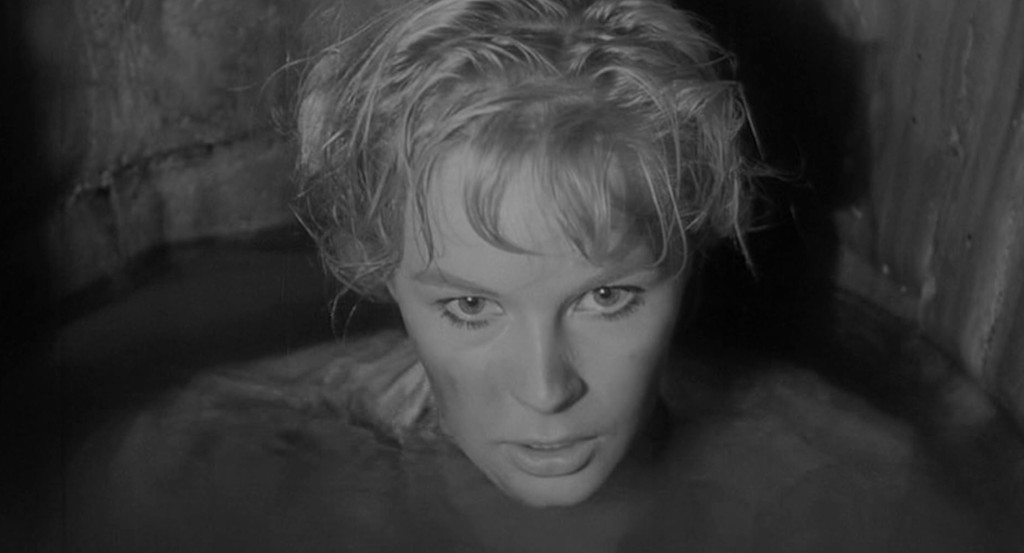
All these ruminations aside, the plot is of course just as silly as they tend to be in these movies. The whole premise rests on a calculation that proves that Jay Simms wasn’t particularly good at math. Craigis’ solution is to solve overpopulation by shrinking humans so that they would only need half of their current sustenance. But at the same time, he mentions, humans will live twice as long. Of course, this would double the world’s living population, resulting in net zero savings in resources.
As the giant shrews of the movie don’t swim, the obvious solution to our cast’s predicament would be to reach Thorne’s boat, which lies anchored some 20 yards or so off the shore. A few of the characters actually do make it to the shore, but Simms makes some half-hearted excuses (the dingy is broken) for them not being able to reach the boat, until the end of the movie, when the do what they could have done all along: swim to the boat. Then again, plot contrivances of this type is to be expected in this kind of a movie.
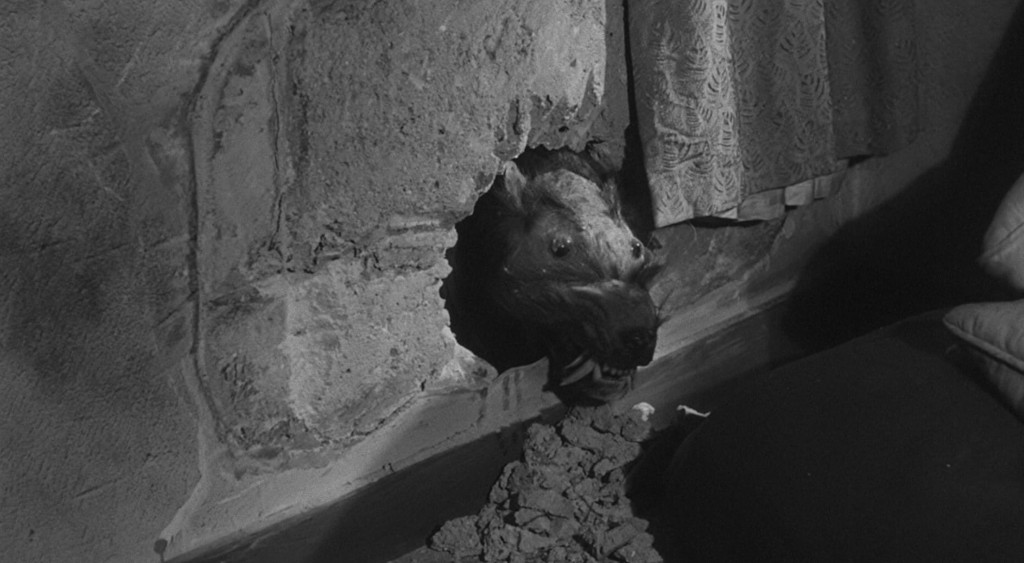
As for the plot, it does hold up as a thriller, a sort of proto-slasher in which one character after the other is killed off by a terrifying menace (predating Alien (1979) in a sense). The main problem with it is that its characters are incredibly thin, and not particularly likeable – the three most likeable ones are the first to be killed off, leaving us with the highly unlikeable Jerry and Thorne, and the slightly more likeable Craigis and Ann, who unfortunately are bland and lacking in any personality. But Simms builds tension fairly well in his script, and director Ray Kellogg directs at another level than he did in The Giant Gila Monster. The film is helped by Wilfrid Cline’s occasionally quite atmospheric and suspenseful cinematography and editor Aaron Stell’s frantic work in the scenes where the giant shrews attack. His rapid editing was not only a stylistic choice, but also a necessity, as it would have been fateful to linger too long on the monsters of the film.
Alas, the film is slow to get going and it’s not until its final fifteen minutes that it starts firing on all cylinders. There’s an inconsistency between the threat level provided by the script and the dialogue and what the music is trying to make us feel. Clearly, Kellogg and/or music editor Gilbert Marchand wanted the first scenes with Thorne meeting Dr. Craigis and the rest of the gang to have a foreboding and ominous quality, but there is nothing in the script suggesting this. An innocent dialogue suggesting the party have martinis together thus gets paired with a droning brass hit, and when the Mexican butler steps through the door to take the orders, you almost expect him to be Count Dracula. If the music played a major role in The Giant Gila Monster, in The Killer Shrews it is both often out of place and simultaneously anonymous. That’s partly because it’s orchestral stock music from the C&B Music Library, in other words music cues composed by Emil Cadkin and Harry Bluestone for use in different media. One of the pieces used frequently in the action parts of the movie is called “Death of the Alien” and will be familiar to friends of SpongeBob.
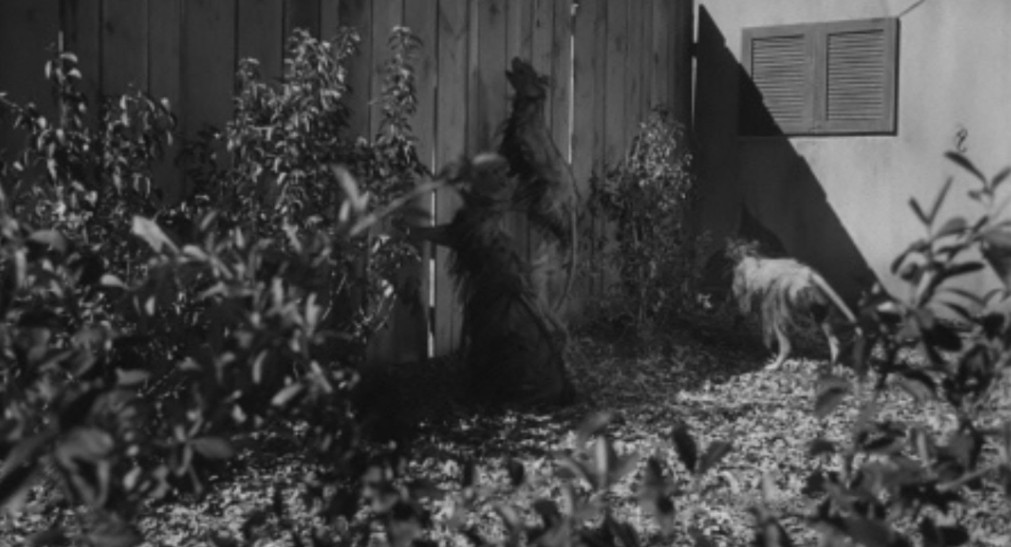
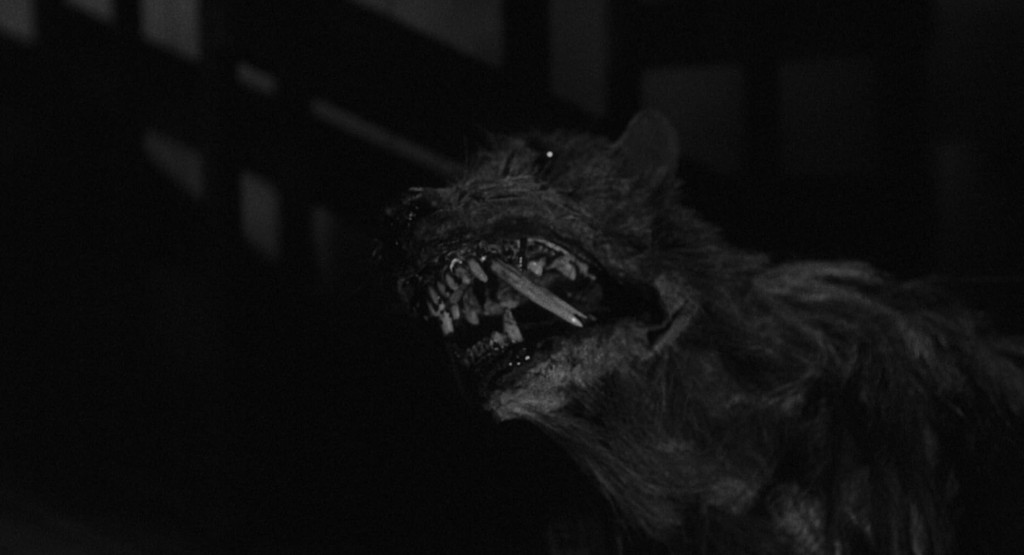
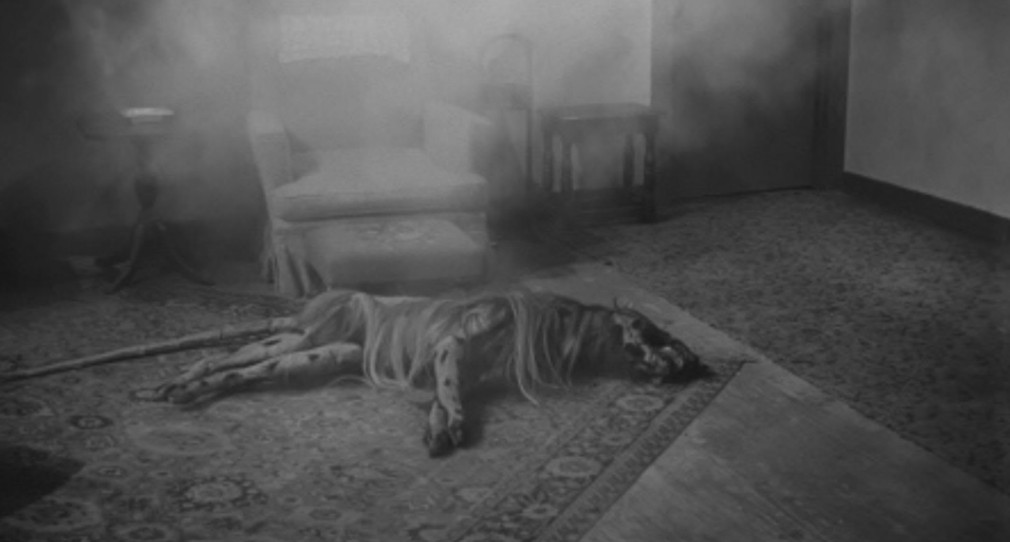
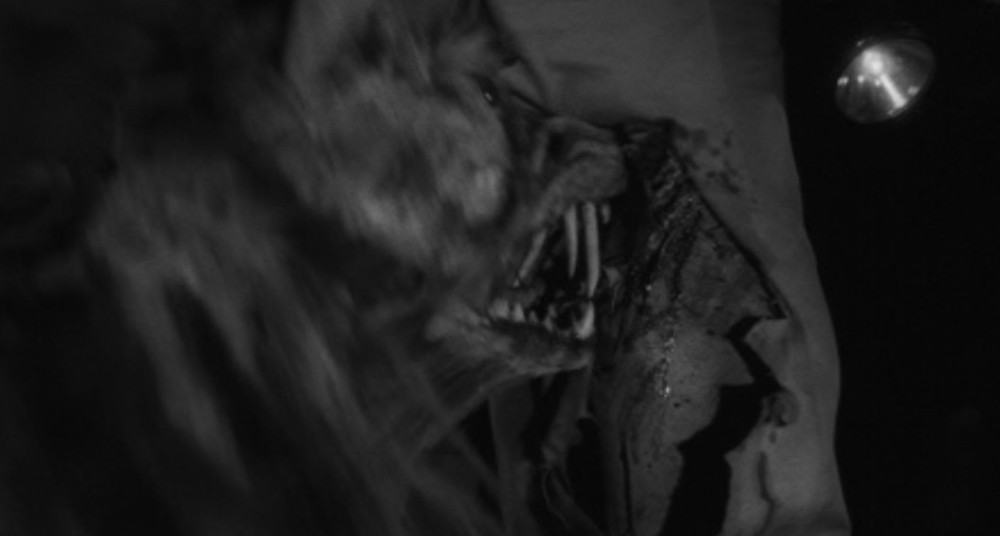
The giant shrews, famously, were played by coonhounds draped in shag carpets and bathroom mats, and outfitted with snout masks with oversized tusks. It’s obvious from the first shot in which we see them what they are, but Stell keeps the shots short enough that we never get a chance to inspect the creatures for any longer periods of time, sort of halfway managing to keep the illusion. For close-up shots director and special effects creator Ray Kellogg designed grotesque hand puppets. While it’s clear what they are, they are fairly well designed and executed for the budget allowed, and also benefit for never being on screen for long periods of time. Some of the highlights of the film are the scenes in which the shres chew their way through the walls and fences of the compound, where the rabid creatures are seen through holes and cracks in quick edits.
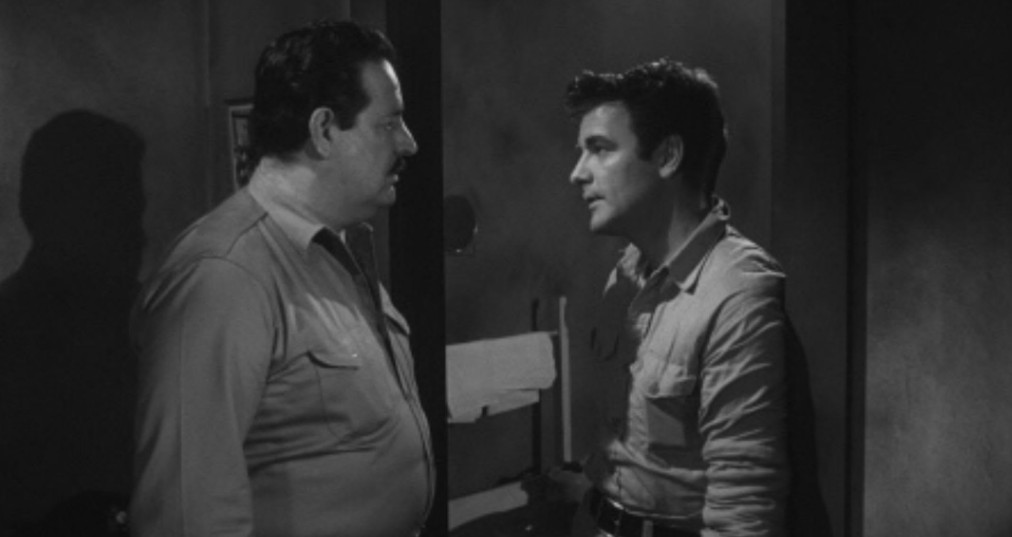
The acting is fine for a low-budget B-movie. James Best, playing Thorne, is best known today for his iconic 6-year turn as the hilarious Sheriff Rosco P. Coltrane on the hit TV shor Dukes of Hazzard (1975-1981), but before that he was mainly cast in serious roles, not seldom as heavies. By 1959 he had been doing theatre on Broadway and was known as a reliable character actor. The Killer Shrews was his first lead and he manages to carry the role primarily on his charisma alone, as his character is so poorly written that it must have been difficult to do anything with it. Ingrid Goude, Miss Sweden of 1956 and second runner-up in Miss Universe the same year, already had a number of TV appearances under her belt, but she was not a particularly good actress. She isn’t helped here by the fact that she probably didn’t get much direction from Ray Kellogg, who was not actor’s director.
Seasoned character actor Ken Curtis also does a pretty good job as the slimy, cowardly and towards the end hysterical Jerry, but again, the script doed him no favours. Baruch Lumet may have been a fine stage actor, but as Dr. Craigis he doesn’t leave much of an impression. He is sympathetic in his role, but feels like he is phoning in his performance. I have said little about the fourth scientist on the island, Dr. Baines, and that’s because he is of no consequence to the plot, and only serves as a sympathetic victim. The role of the brilliant, kindly, but socially awkeard egghead was played by producer Gordon McLendon himself. McLendon plays the role to comedic effect – he isn’t particularly good, but he is likeable, and as such serves his purpose. McLendon said of his stint as a movie actor that he was pretty bad, but he had a blast doing it. Judge Henry Dupree is fine in his stereotyped role, and Alfredo de Soto comes through quite OK despite the horrific material foisted upon him.
In my review of The Giant Gila Monster I have written more about how the cast and crew of that film was put together through nominal producer, actor Ken Curtis, who was the son-in-law of John Ford and a respected character actor with Hollywood contacts to draw on. James Best was also part of Curtis’ circle, and in an interview Best sounds as if he took the role in The Killer Shrews almost as a favour to Curtis. The two films were shot back-to-back with essentially the same crew, but different actors.
I have written previously that Roger Corman’s 50s science fiction movies were special because despite their threadbare nature, often questionable acting and innate silliness, they were almost always based on a working, solid script with clear and consistent ideas – even if these ideas were not always developed as well as they could have been. If Corman would have made a film about killer shrews, he would have known why the story needed killer shrews. The cucumber monster of It Conquered the World (1956, review) may be one of the most hilarious movie monsters ever put to screen, but Corman’s and Charles Griffith’s mind-control plot is solid and the claustrophobic character drama is engaging and dramatically interesting. The alien vampire and its teleporter in the closet in Not of This Earth (1957, review) are nutty ideas, but Paul Birch’s central character is so well developed, again by Griffith, and the way he and Corman build up the story as an engaging, dark mystery thriller that never deviates from its own logic make it a surprisingly good film.
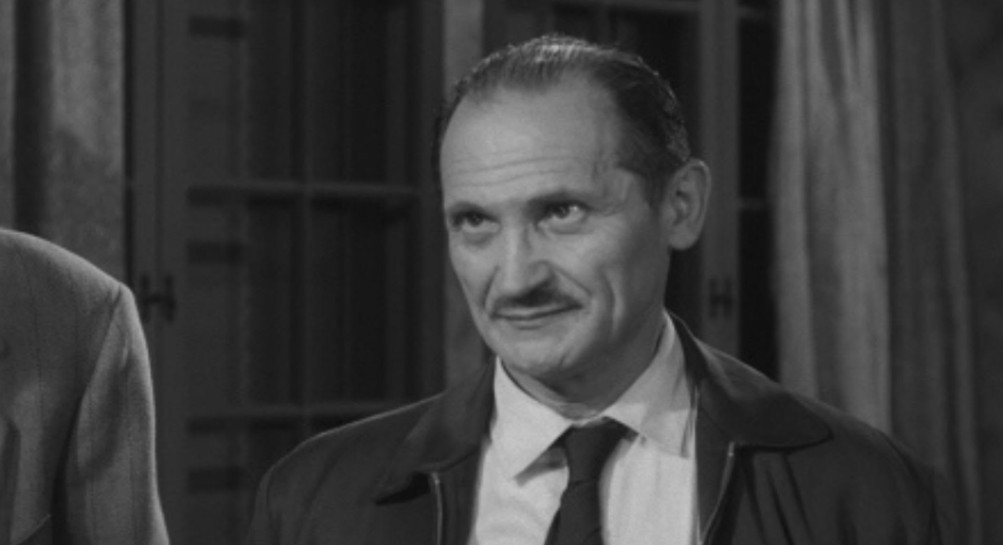
The Killer Shrews is a film that has all the ingredients of these cormanite films. There’s a mysterious, claustrophobic setting, a story of an outsider driving a wedge into the dark proceedings of the secret science community, a cast of potentially interesting characters who could be developed into actors with their own conflicting agendas, baggages and motivations, and a monster angle that could have been laden with metaphorical weight. But the pieces just don’t gel. Individual pieces in Simms’ script sometimes works well, and the story itself is straightforward enough to keep on track. But the whole thing remains without weight. The characters are never elevated above clichés and plot necessities. Apart from killer shrews eating people, there’s no actual drama. Jerry is a villain simply because Simms thought the script needed a villain. Dr. Craigis is nothing at all, he simply floats through the story seemingly unaffected by anything that’s going on, and no-one seems more than perhaps mildly irritated about the fact that his killer shrews kill half the inhabitants of the island. Nobody seems to have known why they made a film about an island with genetically enhanced giant killer shrews, and it shows in end result.
That said, The Killer Shrews is a competent B-movie that does what it was supposed to do, namely entertain and provide a few moments of suspense. In lesser hands this could have been a dud, but Kellogg, Cline & Co. make the most out of the rather weak material. Better personal direction of the actors might have improved upon it further, but the cast is at least fair. Like The Giant Gila Monster, The Killer Shrews was mauled by Mystery Science Theatre 3000, and has since been stuck with a reputation as one of the worst movies ever made. This is certainly not the case. It is by no means a good movie, but it is far better than its double-bill companion, which is also better than its reputation.
Reception & Legacy
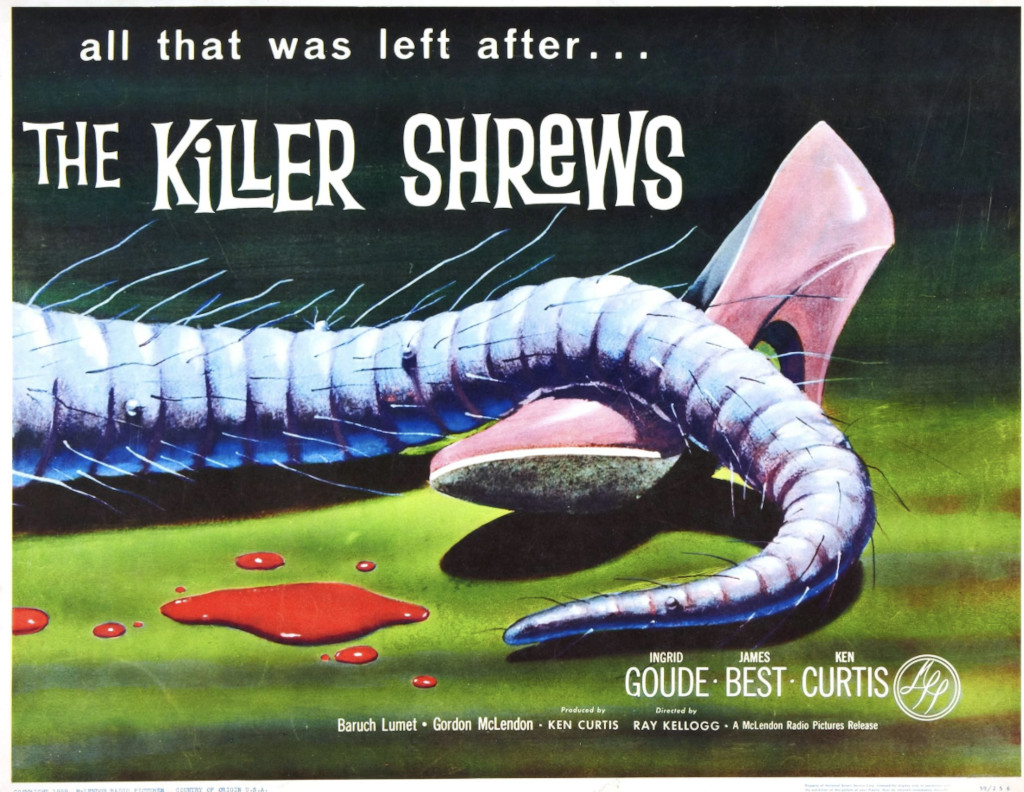
The Killer Shrews premiered in June, 1959, in Dallas, Texas, and got a nationwide release, which was unusual for a so-called “regional film”. It also got theatrical distribution in at least Mexico, the UK and West Germany. The double bill was quite commercially successful and grossed over a million at the box office.
Like The Giant Gila Monster, The Killer Shrews got moderate reviews in the trade press. “Bark”, or Sam Lessner, in Variety said it was “quite good under the economics involved”; “Assets include excellent direction by Ray Kellogg, fine lighting and photography in the numerous outdoor shots. Special effects by Kellogg, expecially in the shots of the ‘huge’ shrews, are first-rate.” The Motion Picture Exhibitor wrote that the film “generates considerable suspense and holds the attention despite a pretty unbelievable yarn”. Britsh Monthly Film Bulletin, often critical of films of this type, surprisingly gave The Killer Shrews its middle “II” rating (out of 3), and while noting weak script and acting, said that it “builds up from a shaky start to a suitably horrific climax”
Bill Warren in Keep Watching the Skies! (2009) notes the low budget and poor production values as well as “a trite script populated by stereotypes”, but opines that it is nonetheless intelligent and consistently logical (I would contest this), says that there are some good scares and that some of the cast above average.
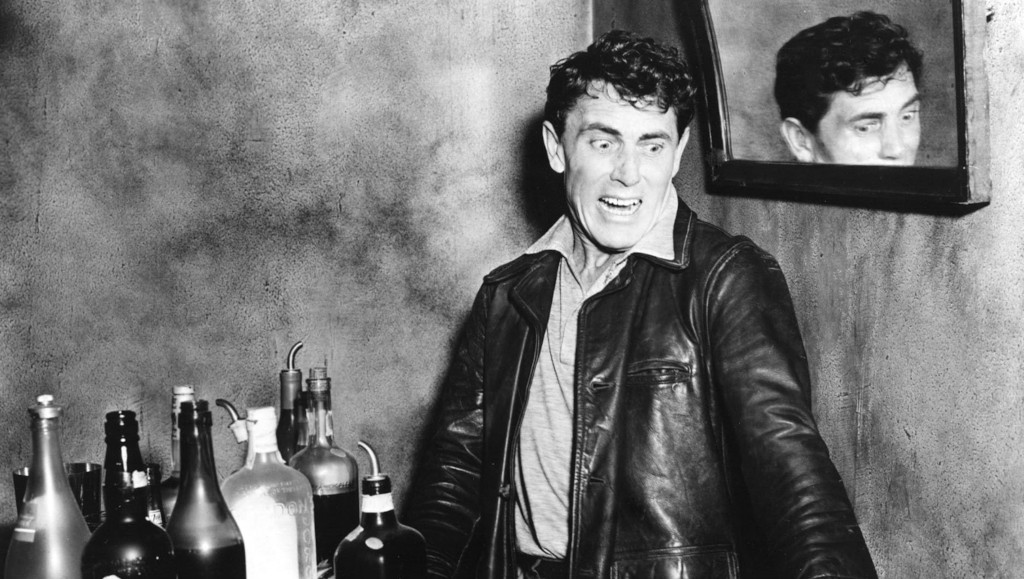
Modern critics generally acknowledge The Killer Shrews’ many shortcomings, but argue that these are at least partly made up for by its qualities. As Frans Buitendijk puts it in Dutch CineMagazine, it is “a nicely crafted horror/sci-fi production in several aspects, but one that falls short in others, failing to make a truly memorable impression as a whole”. Glenn Erickson, writing for Trailers from Hell, also feels the good kind of makes up for the bad: “With its tiny cast and ‘survivors under siege’ format, The Killer Shrews overcomes some of its production and effects shortcomings with a rational, problem-oriented screenplay. Every 10 year-old can ponder the practical task of avoiding being eaten by three-foot fanged shrews. No matter how screwy things get, we’re curious to see who comes out of this one alive.”
Ian Sedensky at Culture Crypt, however, is not entirely sold: The Killer Shrews straddles an indeterminate line of competent quality on one side and comical camp on the other. Weirdly, that works to the movie’s detriment as it is not technically accomplished enough to be truly creepy, yet not quite quirky enough to be completely charming. Blending those worlds and falling short keeps The Killer Shrews planted in patchiness.”
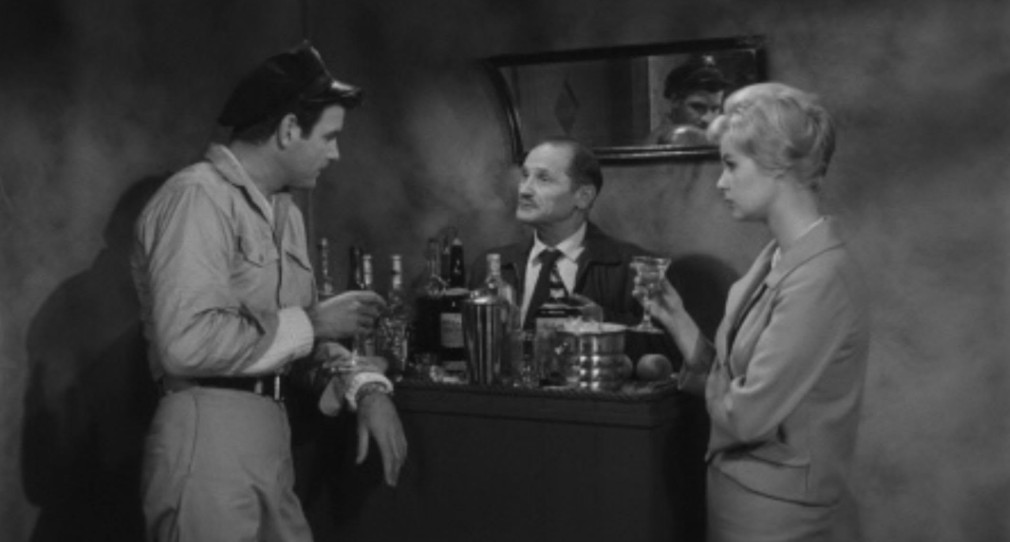
The Killer Shrews entered the public domain in 1988, and was riffed on MST3K in 1992, which is when it became truly famous as a cult film. Because of its public domain status it was frequently released on video and later DVD, bringing it to the attention of a wide audience, along with The Giant Gila Monster.
A belated sequel, Return of the Killer Shrews, was released in 2012, with James Best reprising his role from the first movie. Directed by Z-movie specialist Steve Latshaw, the picture followed a TV crew filming a Survival-styled TV show on the island where Best’s character originally encountered the killer shrews. Apart from Best, the movie featured a number of his former colleagues from Dukes of Hazzard, including the show’s co-lead John Schneider (also know from Smallville), as well as Oscar-nominated Bruce Davison, and a collection of minor female B-movie and TV stars in bikinis. Among them were Jeneta St. Clair, who later transitioned and is now known mainly as a queer comedian and boxing coach, as well as indie genre film staple Maggie Wagner and prolific character actress Jennifer Lyons. The movie was a knowing lampoon of the original film, and belongs to the Sharknado (2013) family of self-aware bad movies with risible CGI effects that you either love or hate.
Being in the public domain, The Killer Shrews is available on YouTube in good quality and can easily be tracked down in any number of DVD releases. In 2023 Film Masters released a newly remastered Blu-ray.
Cast & Crew
I have just written at length about the behind-camera crew of this film in my review of The Giant Gila Monster, as it was essentially the same crew that made The Killer Shrews, so head over there if you are interested in learning more about the producers, directors and other technical and artistic talent on the film.
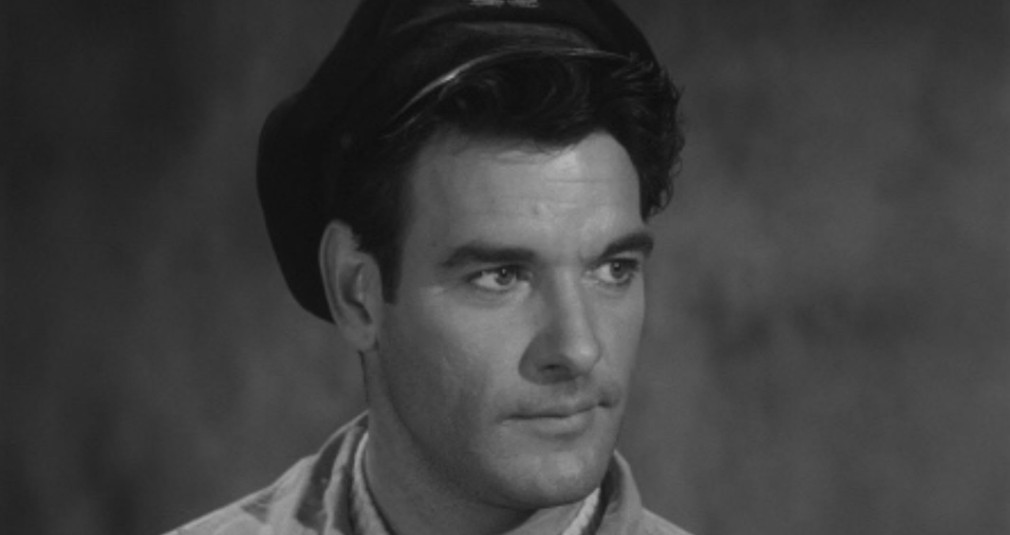
Lead actor James Best was born in 1926 and christined with the unlikely name Jewel Guy, and was adopted at an early age. He was stationed in Wiesbaden in Germany after WWII, which is where he transferred to the US army’s acting division. Upon return the US in the late 40s, he appeared on stage mainly in stock and touring companies, before being put under contract with Universal in 1950. Never a lead actor, Best was nonetheless steadily employed as a character and bit-part actor throughout his entire career. He played two movie leads, both in 1959. The first was in the B-movie The Killer Shrews, and the second in Samuel Fuller’s post-war drama Verboten!, in which he was possibly cast because of his own experiences in post-war Germany. As a US soldier falling in love with a German women, it is widely considered hist best performance. He also had celebrated lead turns in episodes of The Twilight Zone and The Andy Griffiths Show.
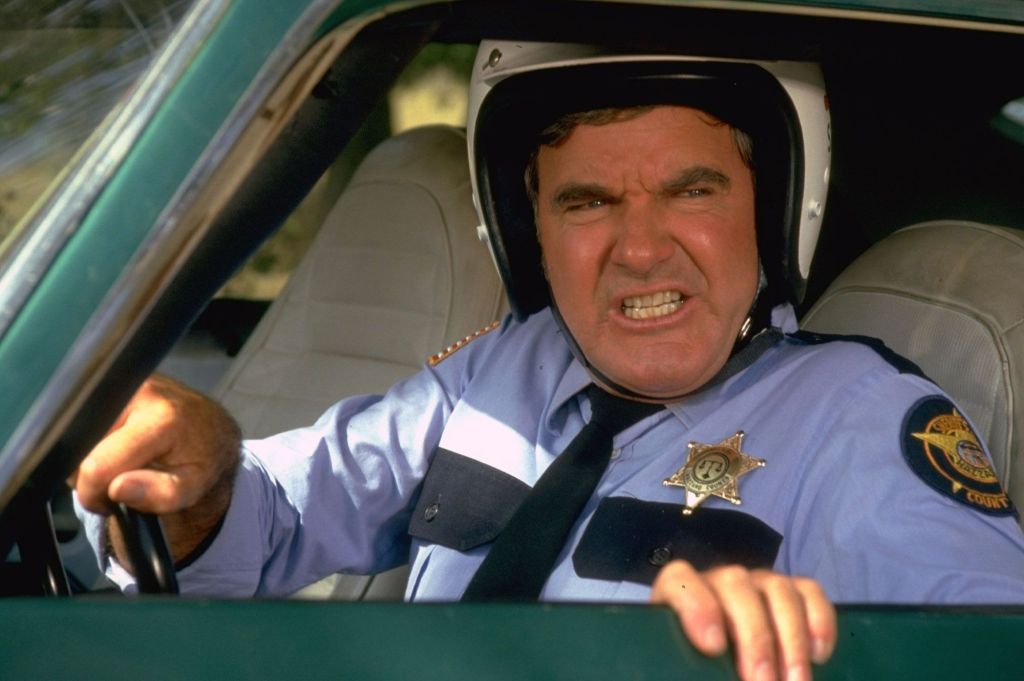
Best became a recognised face worldwide when he was cast as Sheriff Rosco Coltrane in Dukes of Hazzard in 1975, which ran for six years. He played Coltrane, the bumbling sheriff who’s constantly trying to catch the Duke brothers, as an extremely caricatured, mugging comedic foil. It was something of a surprise casting, as Best had played very few comedic roles in the past. After the show ended, Best took a hiatus from the screens and worked as an acting coach, but occasionally returned to both the big and small screen in the 90s and 2000s. Return of the Killer Shrews (2012) was his final feature film, and he passed away in 2015. In later interviews Best lovingly described The Killer Shrews as “a piece of garbage”, but fully embraced the film’s status as a beloved cult movie, and was very eagerly part of the production of its sequel, even co-writing the movie.
Before his lead in The Killer Shrews, Best had bit-parts in a number of science fiction movies, including The Beast from 20,000 Fathoms (1953, review), Riders to the Stars (1954, review), and Forbidden Planet (1956, review), in which he played one of the crewmen aboard Leslie Nielsen’s spaceship. In I Was a Teenage Werewolf (1957, review), at age 31, he played a teenager at a party. In 1972 Best was first-billed in the sci-fi B-movie The Brain Machine.

Blonde Swedish beauty Ingrid Goude was born into some wealth in Sandviken in 1937, and was crowned Miss Sweden in 1956, whereafter she competed in the Miss Universe pageant in California the same year. While several sources credit her as Miss Universe (perhaps because of comments made by The Killer Shrews co-star James Best, she finished second runner-up. Along with Miss Universe winner and first runner-up, she was offered a contract at Universal. After 18 months her only movie credit was a tiny bit-part in the Jeff Chandler vehiclede The Tattered Dress directed by Jack Arnold, and she asked to be released from her contract.
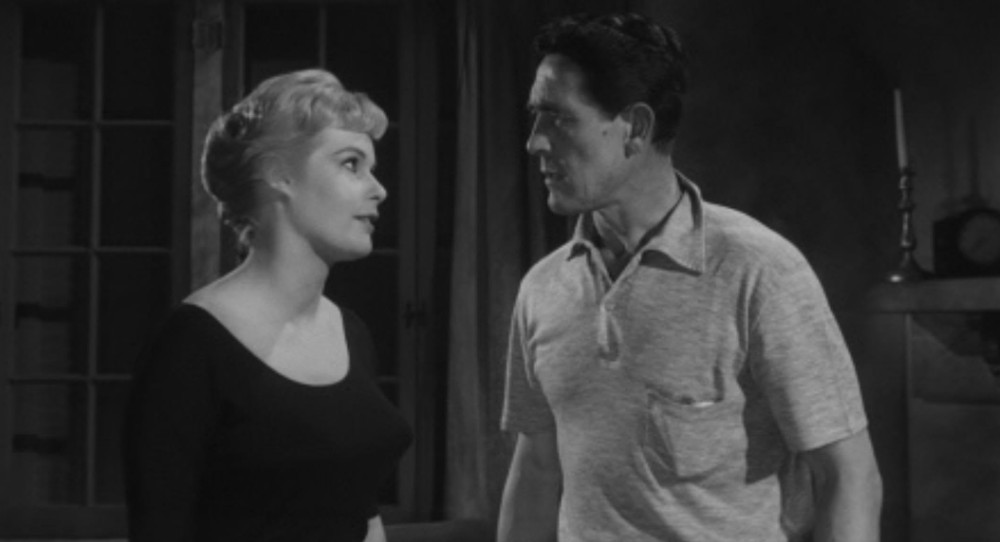
As a freelancer, Goude appeared in half a dozen films in 1958 and 1959, most notably as the leading lady in The Killer Shrews (1959). Apart from this role, she had a couple of decent-sized supporting roles, of which her part as a boxing bride in the western comedy Once Upon a Horse… She also appeared in a number of TV shows, perhaps best remembered for her seven appearances as Miss Sweden in The Bob Cummings Show. She married rich thrice and became a Californa socialite, last known to be residing in Santa Barabara. At the time of writing in 2026, Goude is the only cast member of The Killer Shrews still alive, at the age of 89.
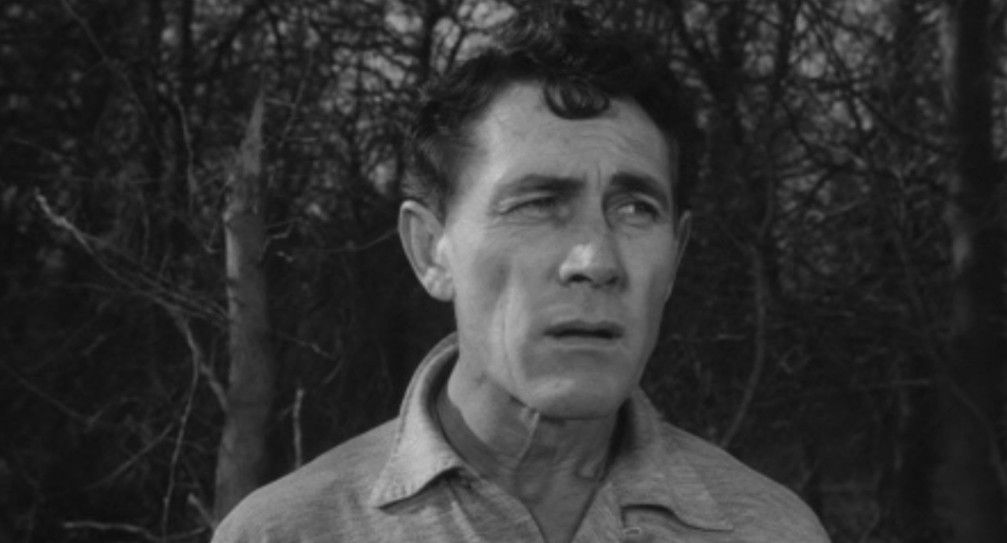
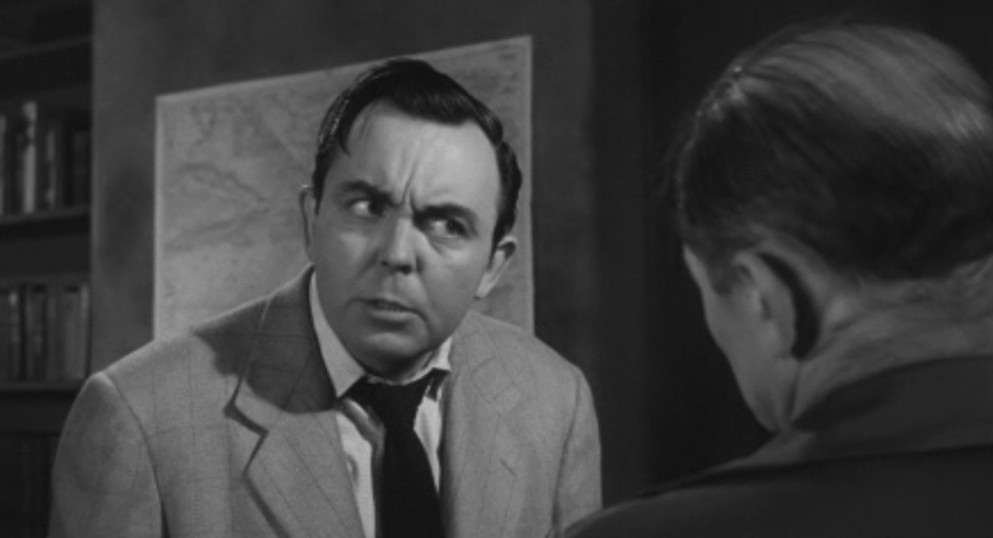
Character actor and singer Ken Curtis had an interesting career. Between 1941 and 1991 he appeared in over 90 films and TV shows, most notably in a number of high-profile movies directed by John Ford, often starring John Wayne. These included The Searchers (1956) and The Alamo (1960). The reason for his strong connection to John Ford was that he was Ford’s son-in-law. But before this he achieved fame as a big band crooner, and at one point replaced Frank Sinatra in The Tommy Doresey Orchestra. He was the lead singer in one of the most influential Western music groups in history, The Sons of the Pioneers, know for their recording of “(Ghost) Riderns in the Sky”. However, Curtis is best known for his iconic role as Deputy Festus Haggen on the legendary western show Gunsmoke. He played the character in 304 episodes between 1962 and 1975. He is also known for providing the voice for Nutsy the Vulture in Disney’s Robin Hood (1973). Curtis produced the sci-fi double bill The Giant Gila Monster and The Killer Shrews in 1959, and played a major supporting role in the latter.
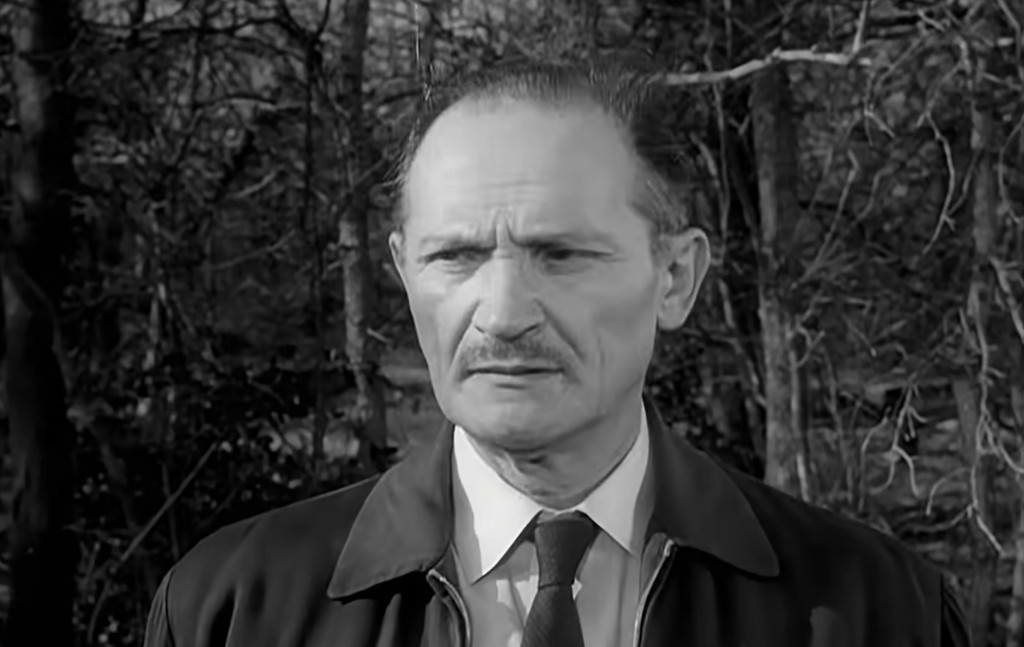
Baruch “Bulu” Lumet was the father of director Sidney Lumet. While he doesn’t make much of an impression as Dr. Craigis, Lumet was an accomplished stage actor, director, author and acting teacher. Born in 1898 to a Jewish family in Poland, he worked as a child actor and trained as an actor. He was part of the legendary Yiddish group Vilna Troupe, but moved to London in 1920, just before the world premiere of the celebrated Yiddish play The Dybbuk. From London he moved on to New York in 1922, the same year his son Sidney was born. His wife and Sidney followed two years later. He started his career in New York as a piano salesman, but soon began acting in Yiddish theatre, which eventually took him to radio and Broadway. While he missed The Dybbuk in Warsaw, he did get the chance to play it during a revival with Maurice Schwartz’s Yiddish Art Theater 1925–1926, a production which heavily influenced Sidney Lumet to direct the play as a television production in 1960.
Lumet toured the US with a one-man show, wrote books and plays and acted on stage, radio and later in film and TV. At some point he made his way to Dallas, where he was the director of the Dallas Institute of Performing Arts, which is how he came to appear in The Killer Shrews, filmed as it was in Dallas. This was his feature film debut. Because of his strong Yiddish accent, he had trouble finding work in film and TV, but was helped by Sidney, who called in favours with producers and directors in order to get his father small parts in their productions. Outside of his large part in The Killer Shrews, he is probably best remembered for his bit-part in Woody Allen’s Everything You Always Wanted to Know About Sex * But Were Too Afraid to Ask (1972), in which he plays a rabbi with a bondage fetish.
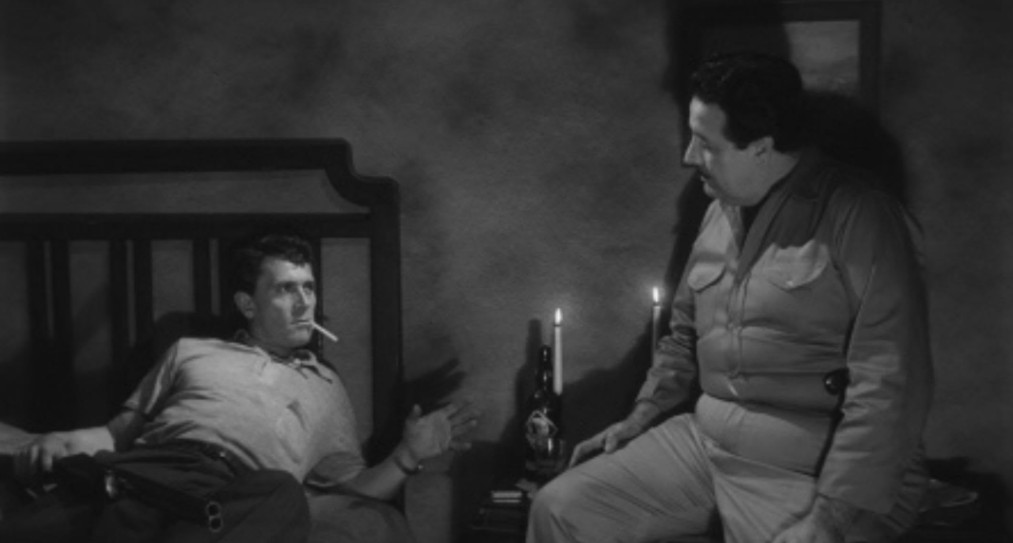
Little is known about Alfredo De Soto, but he seems to have had a substantial career in Mexico as a character actor in small roles, as well as casting director. Outside of The Killer Shrews, his only other appearance in an English-language movie is a minor role in Don Siegel’s The Big Steal (1949), which was partly filmed in Mexico. How he found himself in Dallas appearing in The Killer Shrews in 1959 has remained a mystery to me. He also appeared in the Mexican cult family horror comedy Little Red Riding Hood and the Monsters (1962).
Bit part actor and legendary stuntman Fred Graham, who played a co-lead The Giant Gila Monster (1959, review) was the stunt coordinator on The Killer Shrews. More on him in the review of Gila Monster.
Janne Wass
The Killer Shrews. 1959, USA. Directed by Ray Kellogg. Starring: James Best, Ingrid Goude, Ken Curtis, Baruch Lumet, Gordon McLendon, Judge Henry Dupree, Alfredo De Soto. Music: Harry Bluestone, Emil Cadkin. Cinematography: Wilfrid Cline. Editing: Aaron Stell. Set decorator: Louise Caldwell. Creature effects: Ray Kellogg. Makeup: Corrinne Daniels. Sound: Earl Snyder, Milton Citron. Produced by Ken Curtis & Gordon McLendon for Hollywood Pictures Corporation.


Leave a comment