
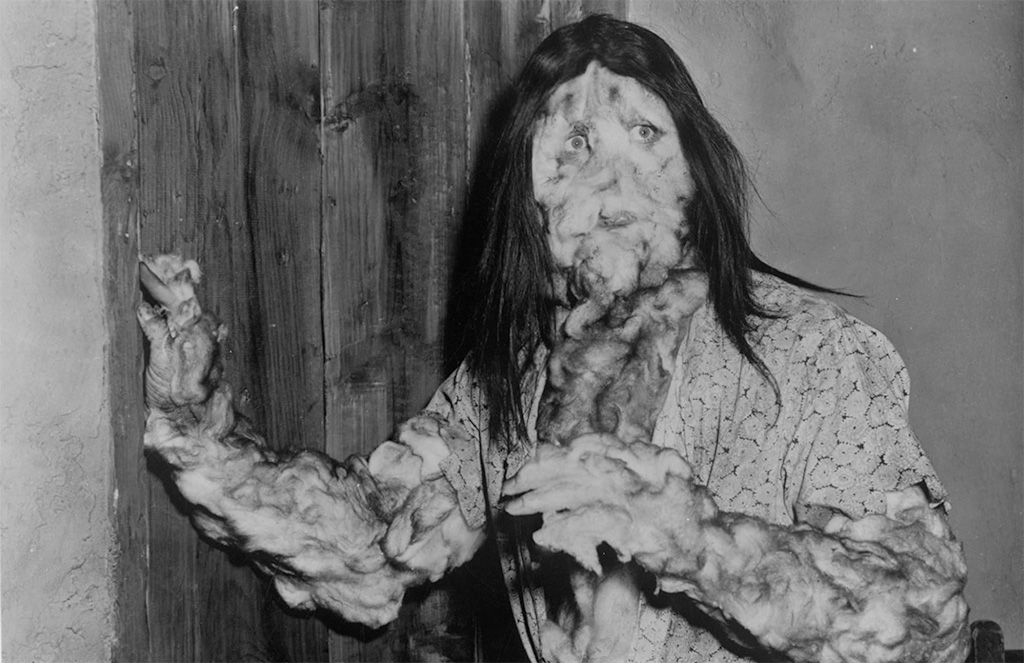
Three explorers search for a lost fiancé in West Indian caves inhabited by fungus monsters created by a mad scientist in Regal’s 1957 low-budget effort. A few good visuals and an original idea, but the script is a mess. 4/10
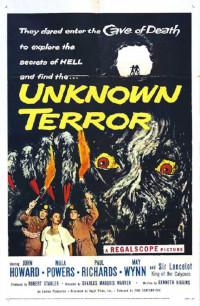
The Unknown Terror. 1957, USA. Directed by Charles Marquis Warren. Written by Kenneth Higgins. Starring: John Howard, Mala Powers, Paul Richards, Gerald Milton, Mae Wynn, Duane Grey, Sir Lancelot.Produced by Robert Stapler. IMDb: 4.8/10. Letterboxd: 3.0/5. Rotten Tomatoes: N/A. Metacritic: N/A.
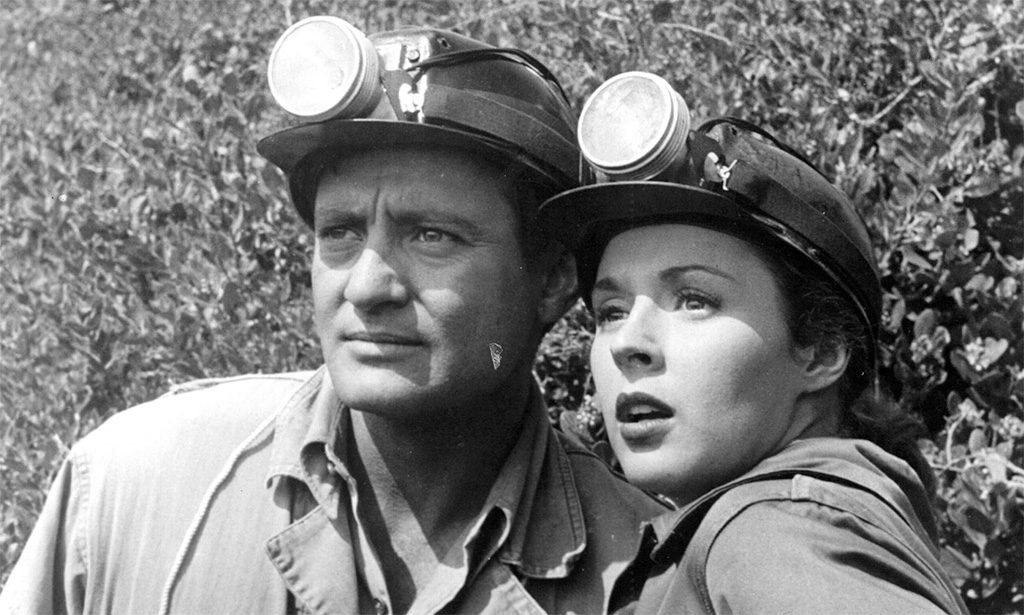
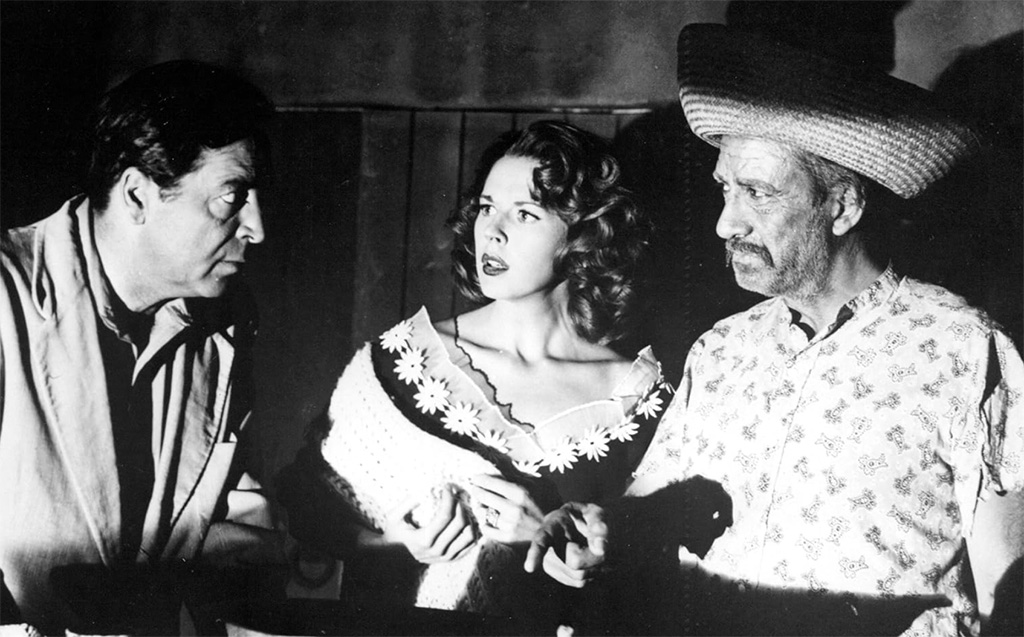
Gina Matthews (Mala Powers), hubby Dan (John Howard) and friend/cave explorer Pete (Paul Richards) set out on an expedition to find Gina’s brother, lost in the fabled “Cave of the Dead” in the West Indies. However, their chances of success are dependent on how well Pete’s bum leg holds up – he is crippled by an injury sustained in a rock slide on a previous expedition, when he saved Dan’s life. Also, a triangle drama is brewing, as Pete and Gina seem to have their eyes set on each other. Upon arriving in a small “Indian” village, their local guide Raoul (Richard Gilden) disappeares, and the trio are made the guests of the mysterious American scientist Dr. Ramsey (Gerald Milton), who has used his scientific knowledge to turn himself into a demi-god among the natives. However, the natives are restless and the scientist secretive, and no-one seems keen on guiding the explorers to the Cave of the Dead.
The Unknown Terror from 1957 was western specialist Charles Marquis Warren’s only foray into science fiction. It was produced by Robert Lippert’s Regal Pictures, a B-movie subdivision of Twentieth Century-Fox, and was released as a double bill alongside Warren’s second and last horror movie, Back from the Dead (1957). Today The Unknown Terror is mostly remembered for being one of the few movies in which the heroes are menaced by soap.
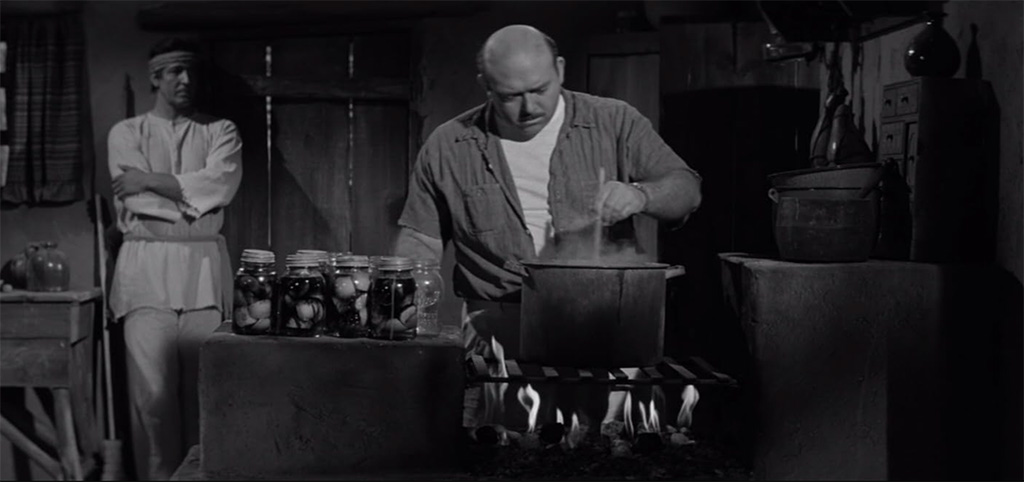
Dr. Ramsey explains to the newcomers that he is researching fungi for medicinal use, aided by his native valet/body guard Lino (Duane Grey). He has also put a stop to the native’s practice of human sacrifice by saving their victims and “sending them to a safe place”. All but one, beautiful Concha (May Wynn), whom he has taken as his reluctant wife.
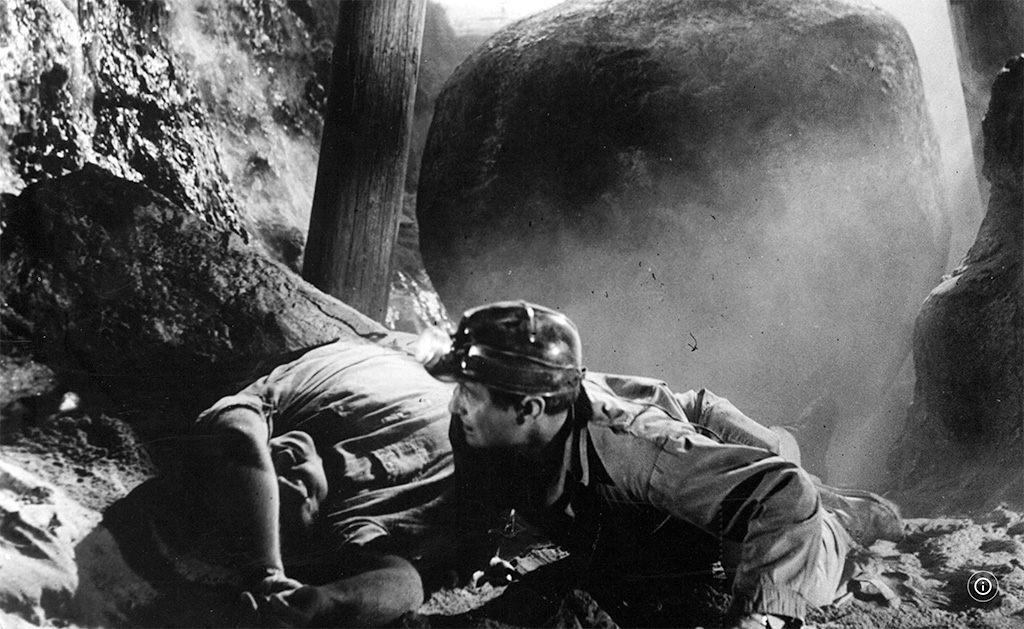
After some hawing and hewing, the trio manage to get Lino to escort them to the Cave of the Dead. However, Dan is trapped inside by a flash flood, while Pete limps back to the village in order to get their diving equipment. This time, Gina and Lino follow him into the cave. However, Lino double crosses them and blows up the entrance, trapping all three heroes inside. Here they learn a terrible secret, as they are attacked by fungus monsters – the sacrifice victims that Dr. Ramsey has “saved”, in order to experiment on them. Pete and Gina find Dan, who is mortally injured after fighting the fungus monsters. To make matters worse, soon deadly fungus starts dripping from all the cave’s walls, threatening to turn our heroes into monsters as well – or worse. Dan conveniently succumbs to his injuries, allowing Pete and Gina to hook up. That is, if they survive the deadly foam and find a way out – perhaps through an opening leading to Dr. Ramsey’s house, and with a little help from Concha.
Background & Analysis
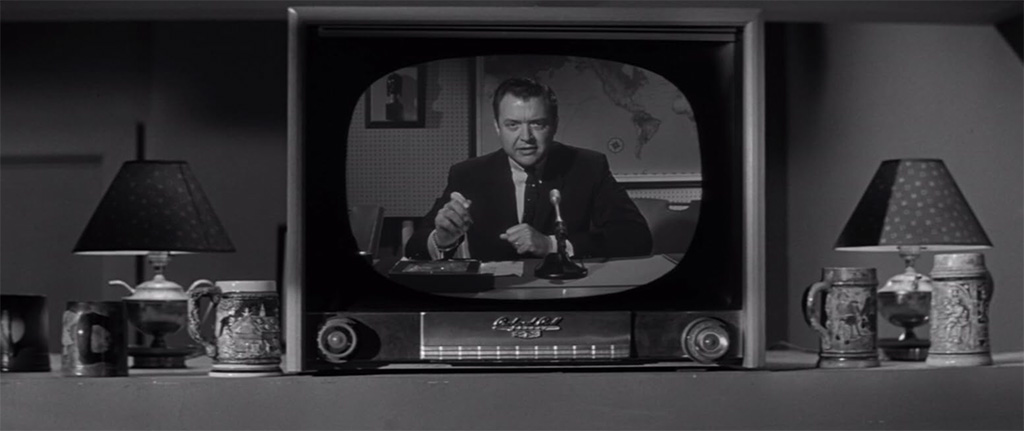
I do think this is the first film I have seen in which soap suds are the primary menace. But if you allow for some suspension of disbelief, the foamy climax is not badly executed at all, and is definitely not the factor that sinks this movie. Its bad reputation partly stems from the fact that for a long time, the only available version of the film was a severely cropped and murky TV copy. Cleaned up and in original CinemaScope, the large cave sets and the soapy menace are actually quite impressive.
In 1950 Robert Lippert produced what became the starting shot for Hollywood’s 50’s science fiction craze, Rocketship X-M (review), a low-budget effort rushed into theatres in order to capitalize on George Pal’s Destination Moon (review). Lippert had a decade-long experience with making decent low-budget pictures, that were often well-received. His success with Rocketship X-M gave him a love for science fiction movies, which he would go on to produce over a dozen of during the 50’s and 60’s, many through the short-lived but hugely productive company Regal Pictures.
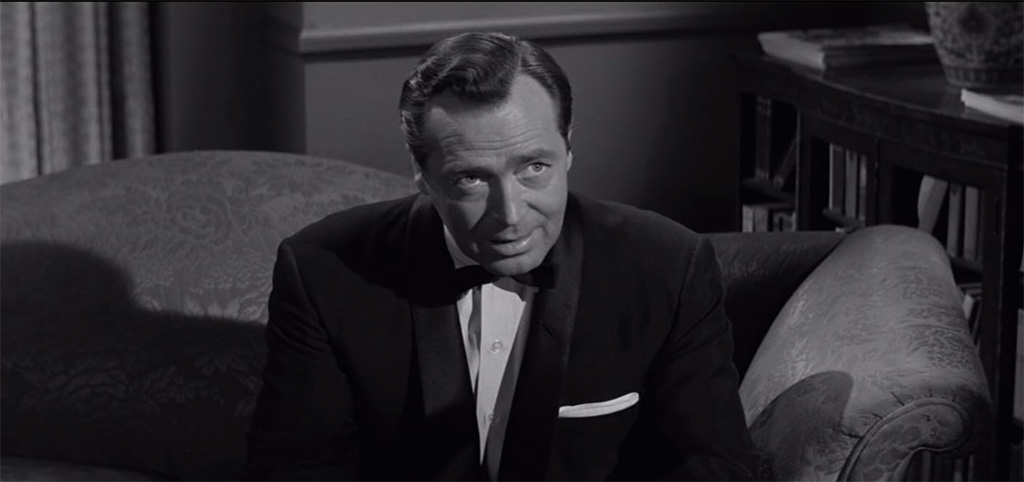
Regal Pictures was born in 1956, when Twentieth Century-Fox announced they were going to start producing their movies in the CinemaScope format, a format which required movie theatres to upgrade their projection equipment. In order to make it worthwhile for theatres, Fox made a deal with Lippert about the formation of Regal Pictures, tasked to make 20 B-movies a year in CinemaScope (which the re-christened “RegalScope”). These films were to be shot on a maximum of seven days and for no more than 100,000 dollars. Officially Lippert wasn’t in charge of Regal, because of troubles with the unions, but he was the de facto head of the company. By 1957, major studio interest in horror, and in science fiction in particular, had largely waned, and SF movies were only produced as cash grabs aimed at juveniles. No star actor wanted to appear in these movies, and no successful director stooped to making these films on the budgets offered.
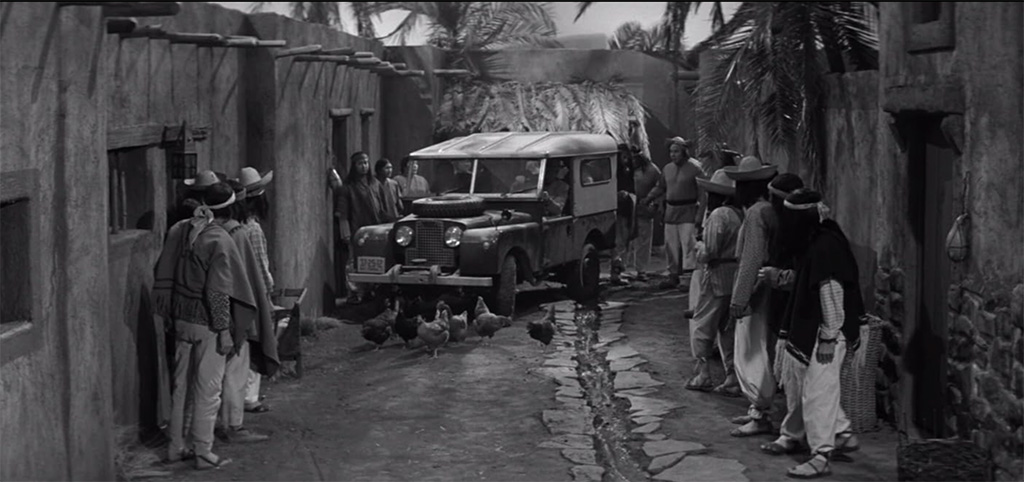
Meanwhile, in 1955, Charles Marquis Warren was tasked with adapting the hugely successful radio western serial Gunsmoke to the small screen. By 1957, Gunsmoke was the number one TV show in the United States. Many commentators have asked themselves how the director of America’s most popular TV show at the time found himself making B-horrors for pocket money at Regal Films – and not only him, but half the crew of Gunsmoke, including editor Michael Luciano, art director James Sullivan and assistant director Nathan Barragar. Maury Dexter, who was one of the people working at Regal at the time, has a simple answer: “prestige”. In an interview with film historian Tom Weaver, Dexter reminds that TV was in its infancy, and there were only a few shows that were really successful. And no matter how successful, TV was seen as the place where movie creators went to die. “These guys wanted their names on a screen of a theater, not on some 13-inch television. It was that simple! […] We at Lippert were making second features and yet – we were still Twentieth Century-Fox.” According to Dexter, Warren had approached Lippert with the script for the western The Black Whip (1956), and went on to direct a handful of westerns for Regal in 1957 and 1958. Perhaps it was part of the deal that he and his crew also make two horror movies for the company.
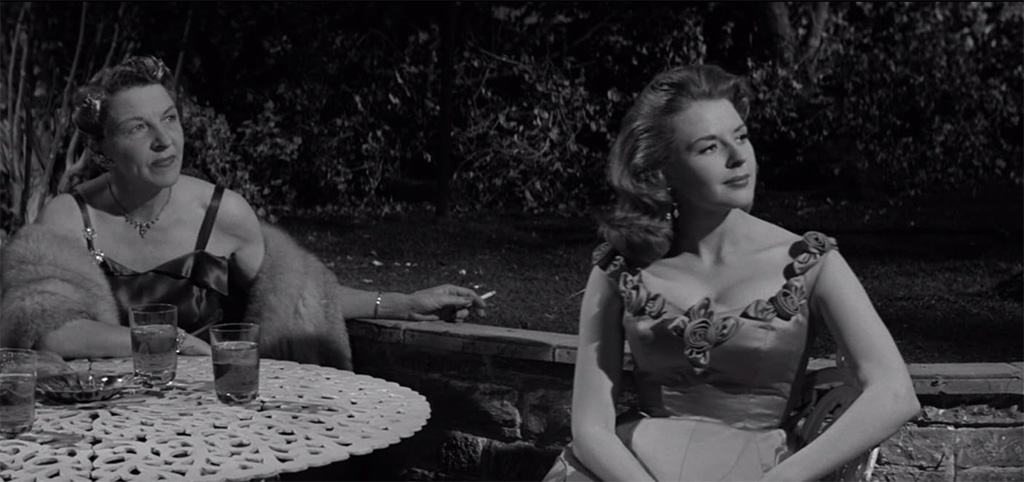
Co-lead John Howard might have been a draw for a slightly older audience, as he was still remembered especially for his star turn as maverick crime fighter Bulldog Drummond in a series of movies in the 30’s. Mala Powers was a reliable B-movie leading woman and Paul Richards, while no marquee name, was an excellent character actor, working primarily in TV at the time.
The script was written by Kenneth Higgins, who wrote for around a dozen films and TV shows, and about whom I have found little information. Whatever his background, his knowledge of science fiction seems to have been primarily derived from H.G. Wells. The story of The Unknown Terror reads like a mashup of two Wells novels, The Time Machine and The Island of Dr. Moreau. The fungus monsters are clearly modelled on Wells’ underground mutants, the Morlocks, in The Time Machine. But rather than products of evolution, these are the products of a mad doctor who has made himself the god of a remote jungle location, creating monsters in his back yard, much like Dr. Moreau in the novel. Gerald Milton’s rotund and seemingly good-natured Dr. Ramsey seems very much a variation on Charles Laughton’s portrayal of Dr. Moreau in Paramount’s 1932 movie adaptation Island of Lost Souls (review). Even the names are similar.
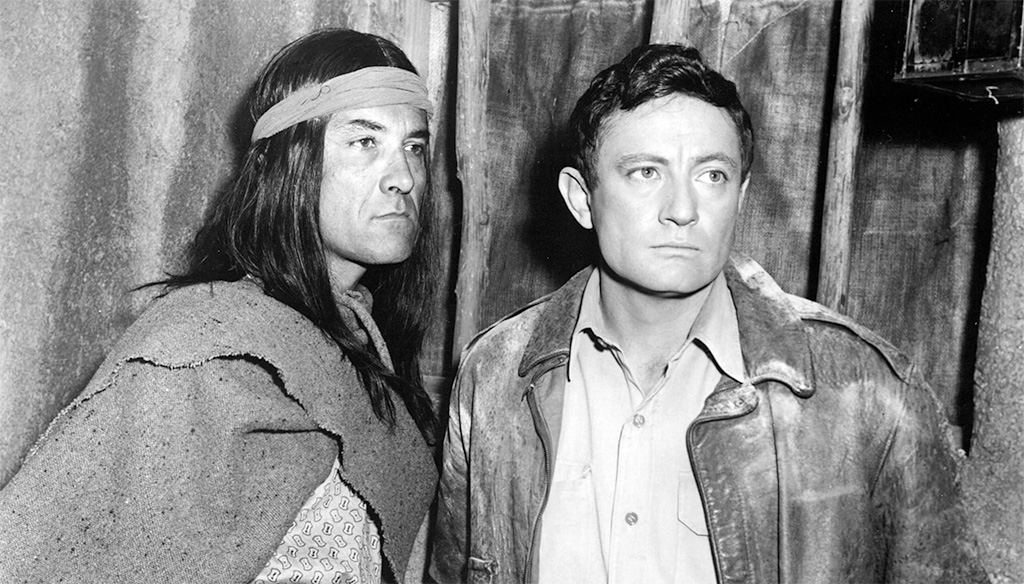
A subgenre that was popular in the late 50’s among B-movie makers was the jungle monster movie. Half of the film could be made as a safari melodrama among potted plants, an excellent way for a screenwriter to kill time while at the same time including a sense of adventure and forward momentum. Juxtaposing modern science and native superstition and magic gave you three or four genres at the price of one: the jungle adventure with native savages, the mad scientist narrative and a monster movie, etc. This way, advertising could appeal to as broad as possible an audience. Another popular trope at the time was the female adventurer getting together a team to go and find her brother/fiancé, lost in some remote jungle location. The late 50’s must have created a small community of lost siblings and boyfriends in a jungle somewhere.
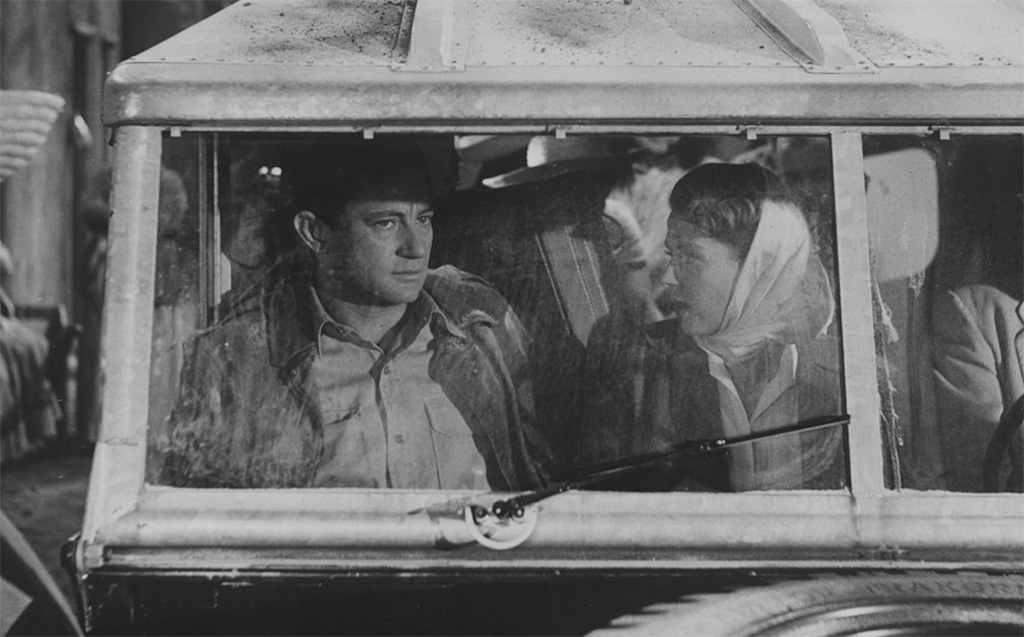
Thankfully, The Unknown Terror doesn’t take up too much time with the safari bit, getting us straight to the village, in a jeep, no less. But by this time, we have already been treated to two meetings and two calypso performances before even getting started, so the movie needs to catch up in order to get to the finish within its 80-minute runtime. No such luck, now we are bogged down with searching for lost Raoul, who was supposed to lead the trio to the cave, and the inconsequential religious rites of the natives as they get restless. We then spend quite some time spelunking, and the fact that Pete needs to go back to the village in order to get his diving gear while Dan is potentially drowning just screams “padding”. Especially considering that they don’t even need the gear in order to get to Dan. When we finally get to the fungus monsters, they are underused and on the whole redundant for the plot, never really appearing to be a genuine threat. The real threat is the fungus among us, although it is never really explained why the foam is a threat. We just assume that it is dangerous, because the characters assume it.
The character motivations and plot development is murky, to say the least. The character Dan is wholly redundant. He goes on the trip in order to find his wife’s lost brother, all while the script hints, without saying it aloud, that there is romantic tension between Gina and Pete. However, nothing is ever made of this romantic triangle, and Dan dies in the end, seemingly oblivious to his wife’s love for another man, and without having played any role in the plot. In an interview with Tom Weaver, actor John Howard says that he actually confronted director Warren with this very issue, and Warren answered that he didn’t know what purpose the character was supposed to have either. Further confusing matters is that Pete actually seems more interested in Dr. Ramsey’s wife Concha, but this love triangle also doesn’t go anywhere, as it is hinted that Dan and Gina hook up at the end, and Concha’s fate is left unresolved.
The whole point of the trip is to find Gina’s brother. Nevertheless, once the trio get into the caves where he supposedly disappeared, the brother is never mentioned again. When the movie ends, we are no wiser as to his fate than we were in the beginning. We can assume that he became a fungus monster, but the script never assures us of this, and the possibility is never even mentioned aloud.
During my nine years of writing Scifist, I have come across many a mad scientist with with remarkably unclear motivations for conducting their mad experiments. But at least, they have mostly provided some sort of attempt at a motivation. In The Unknown Terror, the motivations, and even the nature, of Dr. Ramsey’s experiments remain a mystery. The only thing we learn is that Ramsey is conducting research on fungi, allegedly in order to create new forms of antibiotics. Why this requires the creation of fungi monsters and the cultivation in a giant cave of a mass of fungi so deadly that if even a molecule would enter nature, it would mean “the end of the world” are questions that the film provides absolutely no answers to.
With such flimsy logic and unclear character motivations, the narrative of this film is less a plot than a succession of events. Even Pete’s handicap, the busted leg, which we are constantly reminded of, doesn’t play any part in the plot. It is a sympathetic and rather original choice, especially for a 50’s B-movie, to have a handicapped leading man, and it does at least superficially give him a bit more depth. However, despite a few falls and trips, Pete’s handicap is never really an issue, and is never something he has to actually confront or come to terms with. Despite a limp, he is basically just doing what every stereotypical leading man in these films do. He is certain of his ability to make the trip in the beginning of the film, his companions recruit him for the trip and he manages to do everything he sets out to do, and no-one’s
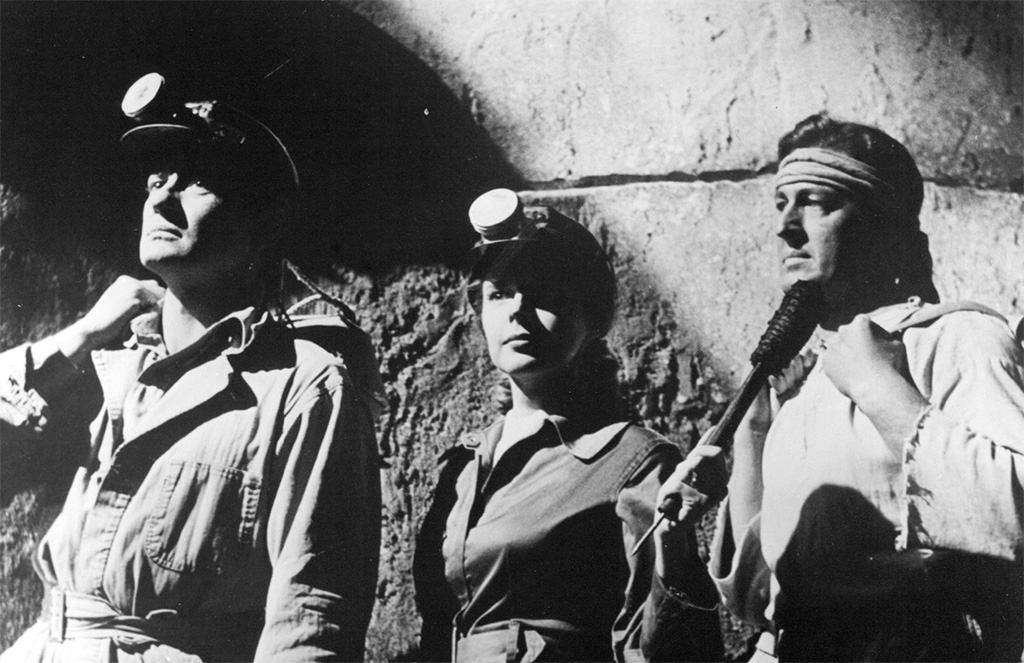
A modern viewer will also cringe at the colonial depictions of the natives, mostly played by caucasian actors, as superstitious savages speaking in broken pidgin English. Despite seemingly living in fairly modern houses, being familiar with modern technology and accepting US dollars as payment for services, the natives still practice human sacrifice and pray to some sort of ancient native gods.
A somewhat odd addition to the proceedings is the inclusion of calypso singer Sir Lancelot, who sings two songs in the beginning of the movie. On of these songs is presented as a traditional West Indian song, proving the existence of the Cave of Death.
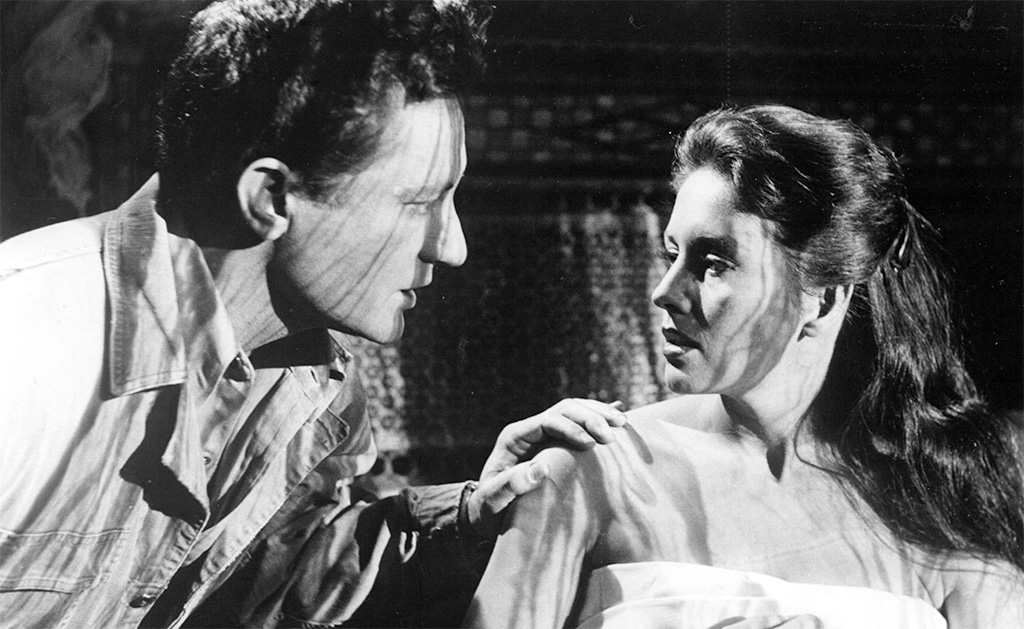
The setup of the movie is not bad. The fungus menace is fairly original and the story has a potentially interesting premise, with handicapped leading man out to redeem himself. It’s just that screenwriter Higgins has no clue what to do with the elements. Warren was a seasoned professional behind the camera, but he is out of his depth with horror material like this, and stayed pretty exclusively to westerns for the rest of his career. It’s not that the direction is bad – it’s just not particularly inspired. Warren is helped, though, by the photography, and particularly the lighting, by DP Jospeh Biroc, who would go on to a stellar career.
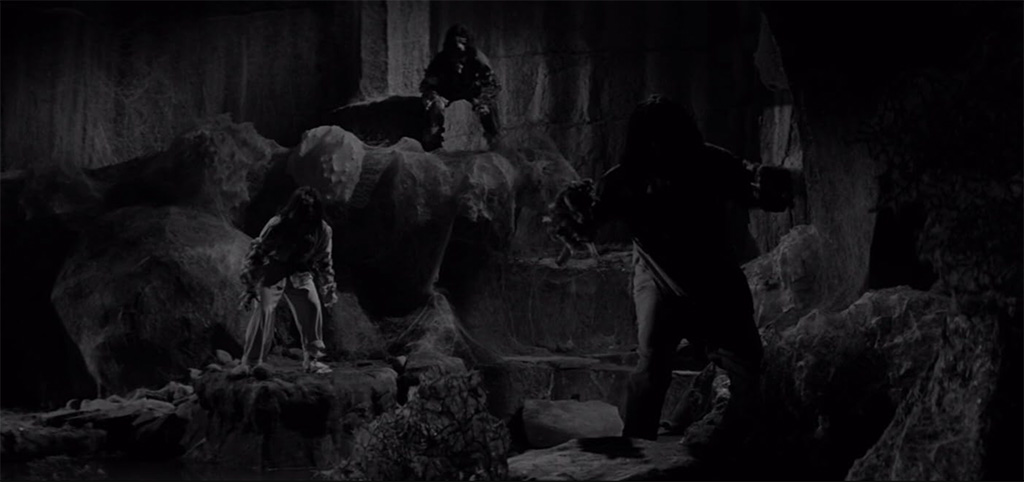
The special effects in the movie are limited to the fungus and the fungus monsters. The monsters are mostly shown in wide shots or kept in darkness, so watching the film, it’s quite hard to pin down what they actually look like. However, both Mala Powers and John Howard tell Tom Weaver that they thought the monsters were ridiculously bad – the makeup people simply covered the actors with cotton and spirit gum, which is clearly corroborated by production photographs. Powers tells Weaver that the fungus cascading down the cave walls were soap suds “and some kind of plastic goo”. According to Powers “it was quite effective”. Howard says he thought it was ridiculous, and wouldn’t scare anyone. However, “it sure frightened the hell out of my kids – they were scared to death! So if all the movie set out to do was scare young people, I guess it worked!”
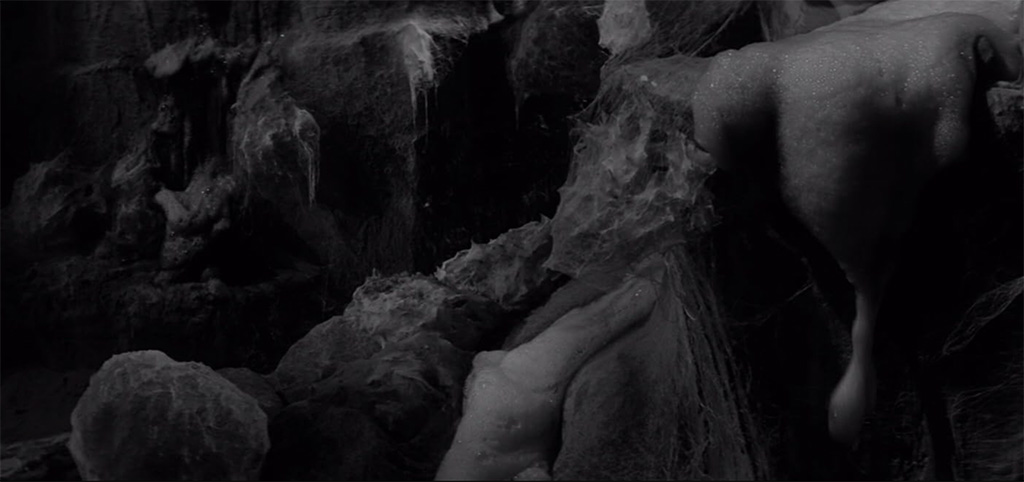
Powers says that she had a really good time working on the film. Apparently the three main characters got on really well together, and she recalls that everyone seemed to get along well with Charles Marquis Warren as well. Warren, she says, was pretty hands off when it came to the acting, and left the actors alone to do their job. She doesn’t explicitly say what she thought of the script, but notes that “if you need to work […] it is encumbent that you fall in love with the script and fall in love with your part. At that point you put on blinders that enable you to permit your love for your profession to shine a radiance over everything.” John Howard is blunter, saying “I didn’t think The Unknown Terror was a very good film at all”.
The Unknown Terror is a bad movie, but if you like bad 50’s science fiction and horror movies, this at least is one of those that will provide you with a modicum of entertainment.
Reception & Legacy
Trade papers were not particularly enthusiastic about The Unknown Terror at the time of its release. The acting, directing and writing was described as “routine” by Harrison’s Reports, and Variety said that Higgins’ script was “only distinguished by its moldy quality”. The Motion Picture Exhibitor cited fair performances, direction and production, but opined that the movie was hindered by a talky script, a lack of atmosphere and a “story that gets carried away with itself”.
Today The Unknown Terror has a 4.8/10 audience rating on IMDb, based on 400 votes, and a 3.0/5 rating on Letterboxd, based on 300 votes. AllMovie gives the film a 1.5/5 review, and TV Guide writes: “It’s not art, but its camp value sort of grows on you”. Bill Warren in his book Keep Watching the Skies! writes: “The Unknown Terror, pretty bad in most respects, isn’t as bad as it might have been: the primary defect is a monster done by a method so fooling it causes gales of laughter whenever it is shown, which is rarely. The movie also suffers from a long, slow buildup to a brief payoff and unclear character motivations.”
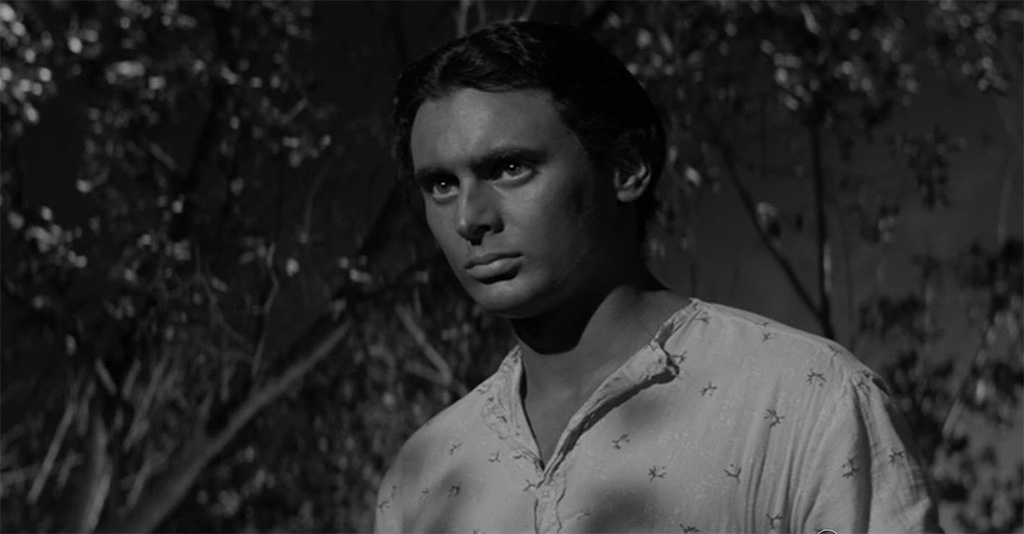
Both Dave Sindelar at Fantastic Movie Musings and Ramblings and Mark Cole at Rivets on the Poster describe the film as “routine”. Richard Scheib at Moria gives it 1/5 stars, calling it “cheap and not very well made”. At Trailers from Hell, Glenn Erickson notes that “Most of the story details are inconsequential and soon forgotten”. But he also says: “The final scenes are actually quite good. The cave set is genuinely enormous and ace cameraman Joe Biroc lights it well. […] The film is not all that distinguished, but its technical polish is way above similar sci-fi fare”.
Cast & Crew
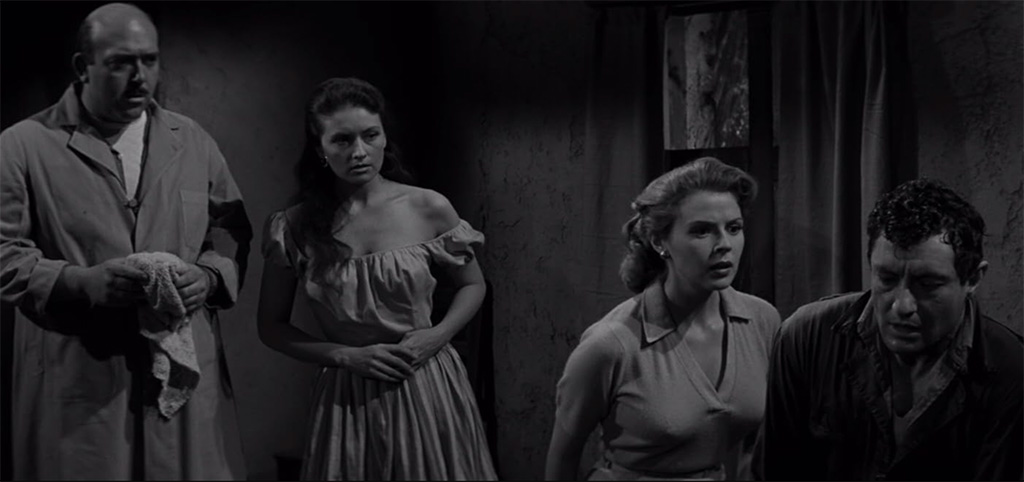
Director Charles Marquis Warren is of little interest to SF and horror fans, or indeed movie fans in general. He started as a writer for both the stage, the screen and pulp magazines in the early 40’s and after returning from WWII, began directing B-westerns. He is best known for creating the TV show Gunsmoke, and for being instrumental in the production of both Rawhide and The Virginian.
John Howard is first-billed, although Paul Richards is the actual leading man in The Unknown Terror. Starting as a stock player at Paramount in the mid-30’s, he quickly achieved leading-man status in supporting features. His heyday occured at the end of the decade. In 1937 he played the lead in Frank Capra’s hit movie The Lost Horizon, a “lost world” film which was nearly reviewed here on Scifist, but which ultimately falls into the fantasy, rather than SF, category. The same year he took over the mantle of Bulldog Drummond, a debonair maverick crime fighter and adventurer, a role which he played in seven movies in three years.
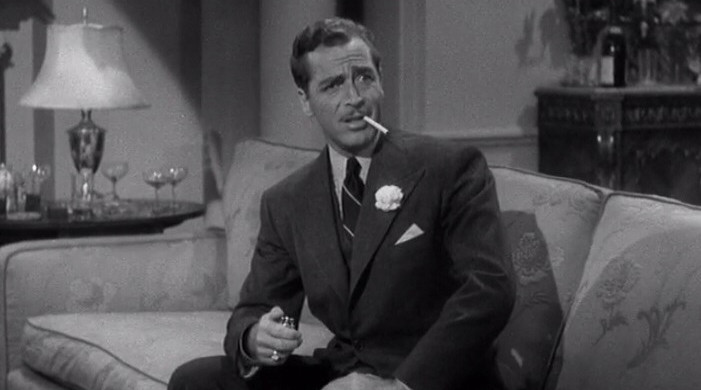
Howard continued his career in the early forties in leads and co-leads, but got his biggest successes when he was loaned out by Paramount to other studios, especially memorable in MGM’s The Philadelphia Story (1940). Military service interrupted his career in 1942, and when he returned in 1945, he struggled to re-establish himself, however was eventually able to carve out a decent career as a guest star on TV shows, and even headlined a couple of short-lived shows. His science fiction movies include Arrest Bulldogg Drummond (1938, review), The Invisible Woman (1940, review), The Unknown Terror (1957), as well as small roles in Destination Inner Space (1966) and The Destructors (1968).
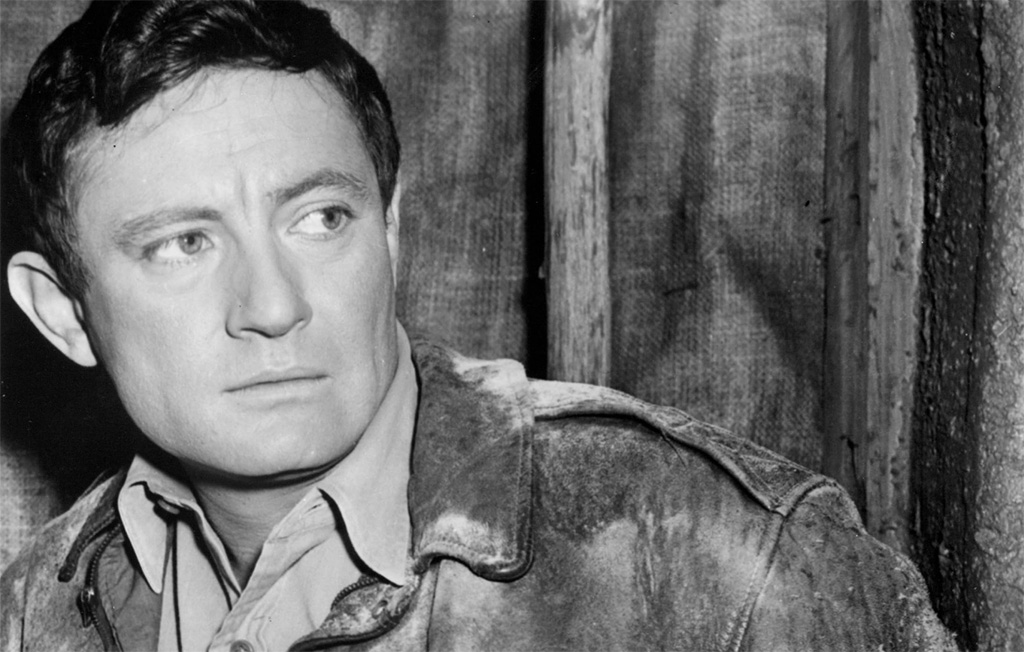
Paul Richards gets high praise from both co-stars John Howard and Mala Powers for his acting abilities. Nevertheless, stardom eluded Richards. He had a small handful of leads in B-movies in the late 50’s, and in a couple of super-low-budgeters in the late 60’s, but spent most of his career as an extremely busy guest star on TV shows. On the big screen, he is probably best remembered for his turn as the villainous mutant leader in Beneath the Planet of the Apes (1970). He was also a common face in commercials.
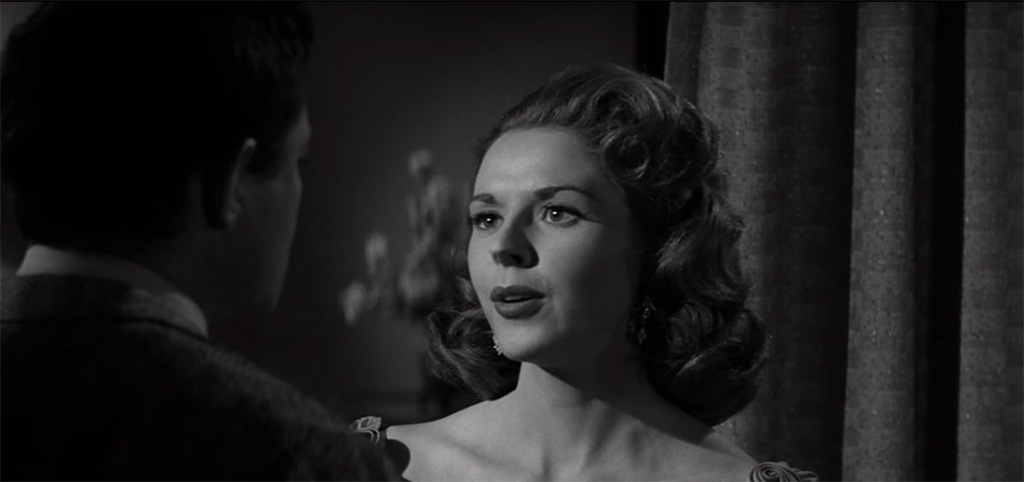
Mala Powers was another respected actor who never achieved the higher echelons of stardom. She is best known for her appearances in one of her very first films, Cyrano de Bergerac (1950), and her two SF movie leads in The Unknown Terror (1957) and The Colossus of New York (1958, review). LikePaul Richards, she got her bread and butter from guest spots in TV series.Powers trained under Michael Chekhov, and later in life taught the Chekhov technique and was the executor of the Michael Chekhov estate.
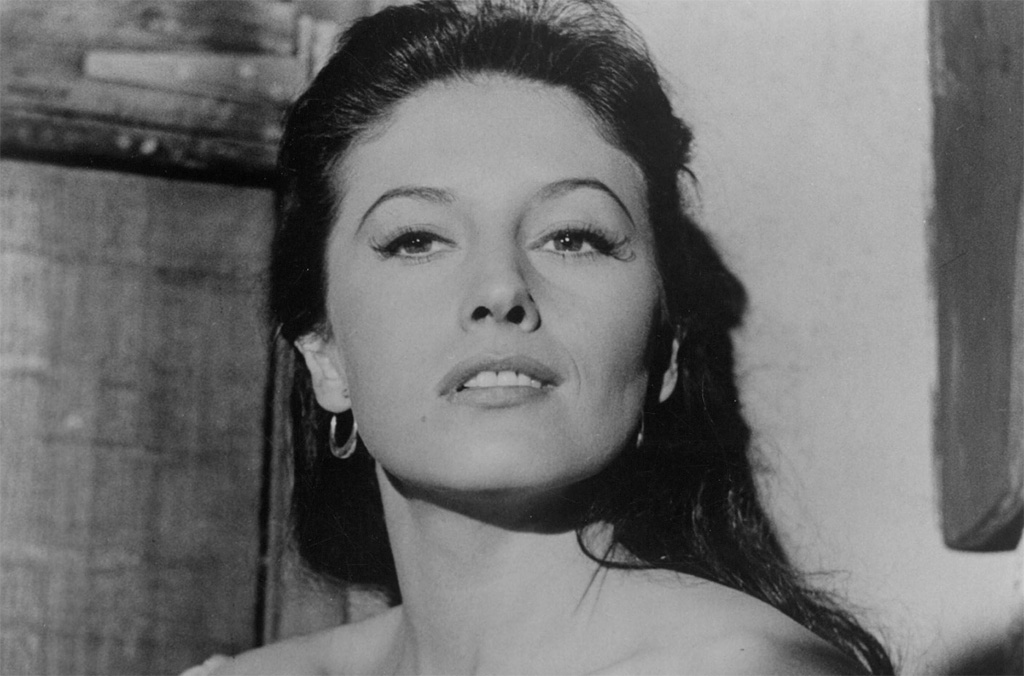
May Wynn doesn’t appear to her advantage in the stereotypical role as the subdued native girl in The Unknown Terror, and was capable of much better. Wynn entered Hollywood under her own name, Donna Lee Hickey, in 1951. She got her breakthrough in The Caine Mutiny (1954) as a character named Mae Wynn, which she subsequently chose as her screen name. She had two lead roles in B-westerns in 1956, but her movie career never quite took off, and she retired in 1961 and went into real estate.
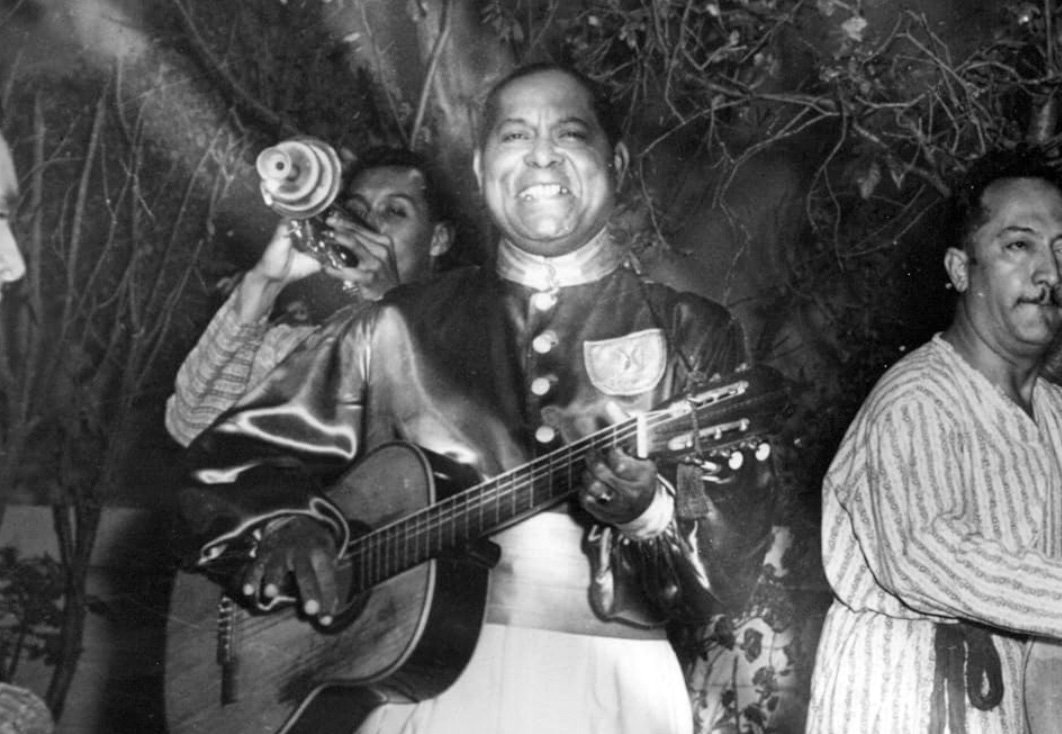
Sir Lancelot was a Trinidadian singer who is generally credited with popularising calypso music in the US in the early 40’s. His real name was Lancelot Victor Edward Pinard, so taking the stage name Sir Lancelot must have felt like a natural choice. His inclusion in The Unknown Terror was no doubt inspired by his memorable apperance in I Walked with a Zombie (1943), his first of three appearances in Val Lewton horror movies.
The rest of the cast is made up of primarily bit-part and supporting actors.
Cinematographer Joseph. F. Biroc was one of the best in the business, and had previously worked on Frank Capra’s 1946 Christmas classic It’s A Wonderful Life. He had a prolific career, but got something of a second coming in the seventies and later with Escape from the Planet of the Apes (1971), Superman (1973) and The Towering Inferno (1974), where he photographed the action sequences and was awarded an Oscar for the effort. Biroc also did comedy blockbusters like Blazing Saddles (1974), Airplane! (1980), and Airplane II: The Sequel (1982). He photographed a number of episodes of Adventures of Superman (1952-1958), as well as the sci-fi films Red Planet Mars (1952, review), The Twonky (1953, review), Donovan’s Brain (1953, review) Riders to the Stars (1954 review), The Unknown Terror (1957), and The Amazing Colossal Man (1957, review).
The optical effects of the film were realised by Jack Rabin and Louis DeWitt, two names that will be familiar to fans of 50’s low-budget science fiction movies. The duo, often working together withIrving Block, was responsible for some of the cleverest cheapo effects of the decade, often elevating the visuals of B-movies above their budget. Between them, they were responsible for the effects of some three dozen SF movies, like Rocketship X-M (1950), The Man from Planet X (1951, review), Flight to Mars (1951, review), Invaders from Mars (1953, review), Cat Women of the Moon (1953, review), Robot Monster (1953, review), World Without End (1956, review), Kronos (1957, review), Behemoth the Sea Monster (1959, review), The 30 Foot Bride of Candy Rock (1959), The Phantom Planet (1961), Deathsport (1978), The Bees (1978) and Humanoids from the Deep (1980).
Janne Wass
The Unknown Terror. 1957, USA. Directed by Charles Marquis Warren. Written by Kenneth Higgins. Starring: John Howard, Mala Powers, Paul Richards, Gerald Milton, Mae Wynn, Duane Grey, Richard Gilden, Martin Garralaga, Patrick O’Moore, William Hamel, Charles H. Gray, Charles Postal, Sir Lancelot. Music: Rauol Kraushaar, Dave Kahn. Cinematography: Joseph Biroc. Editing: Michael Luciano. Production design: James Sullivan. Makeup: Glen Alden. Sound: Hugh McDowell, Jr. Special effects: Norman Breedlove. Visual effects: Jack Rabin, Louis DeWitt. Produced by Robert Stapler for Emirau Productions, Regal Films and Twentieth Century-Fox.


 Scifist.
Leave a comment