
Tag: Paul Frees
-

Space Master X-7
A mystery woman unwittingly spreads a flesh-eating fungus spore from Mars across the US, and G-men race to stop her. This 1958 Dragnet-styled thriller is a competent low-budget potboiler, but fails because the plot needs the smart heroes to act like idiots. Plus the relentless narration.
-

The Monolith Monsters
Meteor fragments that start growing into the size of skyscrapers and topple over threaten a small Southwest US town. Universal’s 1957 effort is one of the better late 50s B SF movies. 6/10
-

The Cyclops
Susan Winters finds her lost husband in a remote Mexican vally, now radioactively mutated into a giant monster. The first in Bert I. Gordon’s trilogy of giant bald monsters. 4/10
-

Beginning of the End
Radiation is once again to blame as giant grasshoppers devour Chicago in Bert I. Gordon’s 1957 cult classic. While inept in most departments, it boasts a decent cast and is a lot of fun to watch. 4/10.
-
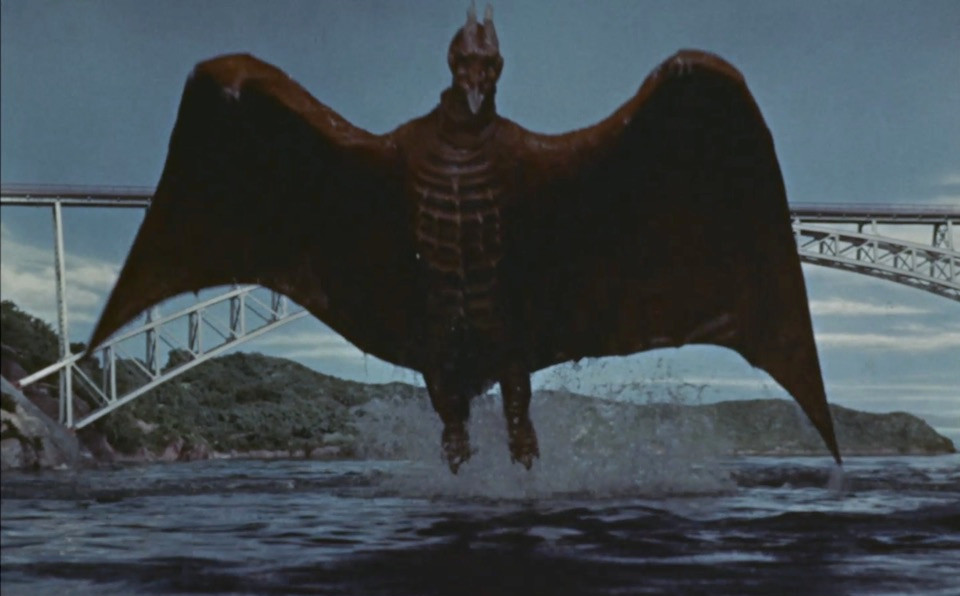
Rodan
In 1956 Toho unveiled a brand new monster in its first colour kaiju movie. Direction by Ishiro Honda and special effectsare peak Toho, but devoid of social allegory, the script struggles to carry the sombre tone of the film. 6/10
-

Earth vs. the Flying Saucers
Columbia’s 1956 classic is the epitome of the 50’s UFO movie. The script is clichéd and the production cheap, but Ray Harryhausen’s animation and the taut direction make this a fun, highly intertaining saucer ride. 7/10
-

Godzilla Raids Again
Godzilla and Anguirus take on Osaka in this 1955 sequel. While a quick cash-grabber, the second movie still retains some of the grittiness and gravitas of the original. 5/10
-

The War of the Worlds
An everlasting classic and a pioneering work, George Pal’s 1953 alien invasion epic set the standard for visuals in SF movies. Unfortunately, in removing itself from H.G. Wells’ themes, the script loses both its poignancy and its dramatic functionality. 7/10
 Scifist.