
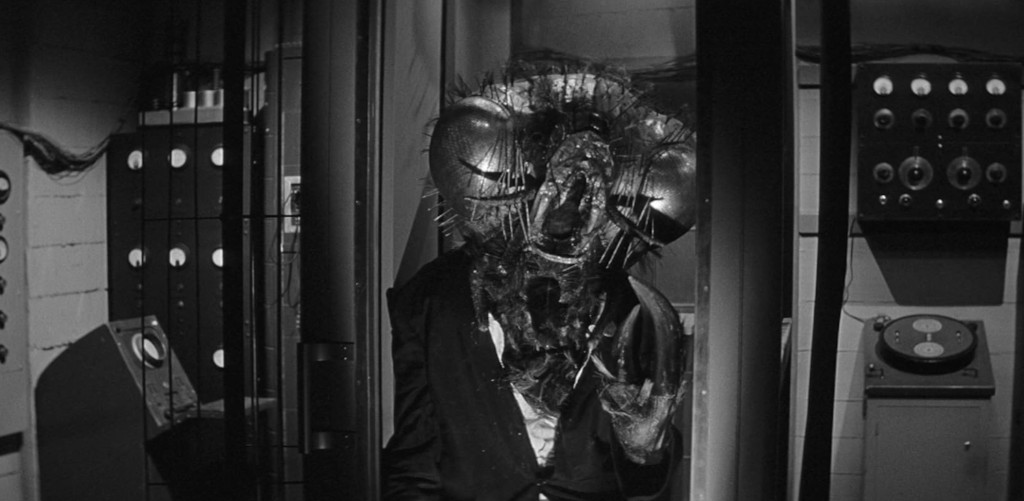
The son of the Fly teleports himself down the footsteps of his father, with the same results, in this 1959 sequel. Vincent Price is back, but this Edward Bernds-directed low-budget effort fails to live up to the quality of the original, as the bland characters get bogged down in the tacked-on spy subplot. 4/10
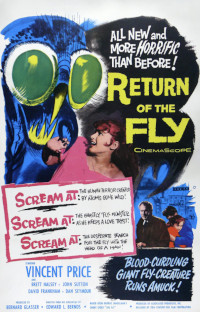
Return of the Fly. 1959, USA. Written & directed by Edward Bernds. Starring: Brett Halsey, Vincent Price, David Frankham, Danielle De Metz, John Sutton, Dan Seymour, Ed Wolff. Produced by Bernard Glasser & Robert Lippert. IMDb: 5.7/10. Letterboxd: 2.8/10. Rotten Tomatoes: 5.0/10. Metacritic: N/A.
14 years after the tragic events of The Fly (1958, review), ill-fated scientist Andre Delambre’s widow Helene has passed away. At her funeral, her now grown-up son Philippe (Brett Halsey) meets with his uncle Francois (Vincent Price), who reluctantly tells him the story of his father’s death. How Andre got caught in his teleportation device with a fly, and turned into a man-fly hybrid, and how Helene aided him in committing suicide by crushing him in a steel press. Rather than shirking away from the horrible truth, Philippe, who has followed in his father’s footsteps as a scientist, vows to continue Andre’s research, much to the dismay of his uncle Francois.
A year after the immense success of The Fly, 20th Century-Fox and uncredited producer Robert Lippert released a sequel in 1959. Vincent Price – emerging as Hollywood’s biggest horror star after turns in The Fly and House on Haunted Hill (1958) – returned with a new co-cast in a follow-up with a greatly reduced budget and a bigger emphasis on a crime story.
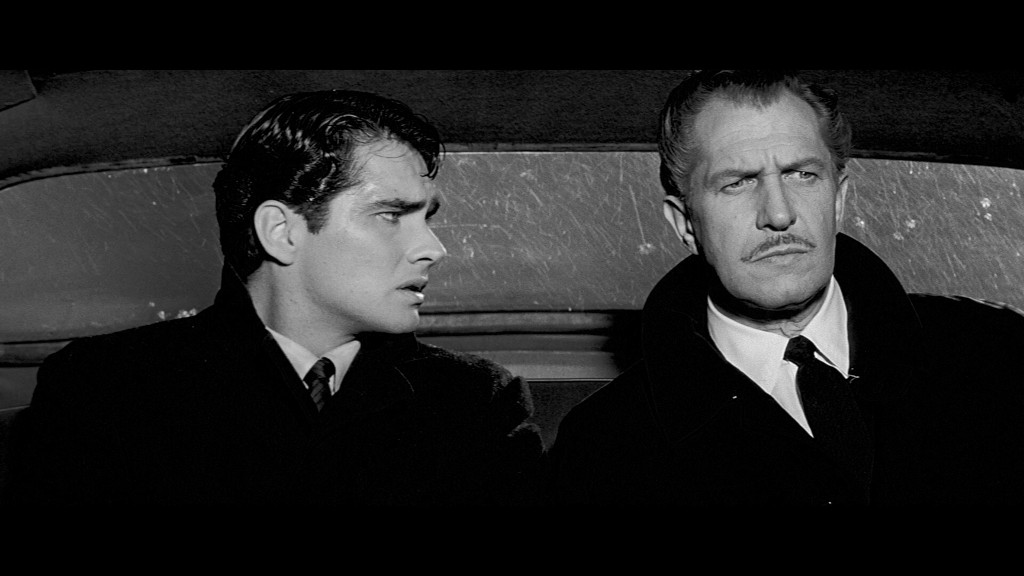
The bulk of Return of the Fly is taken up by subplots concerning blackmail and corporate espionage. Philippe’s funding for his research into teleportation is running out and he needs his wealthy uncle to finance him, which Francois refuses to do, but is forced to as Philippe threatens to sell his shares in the family business unless Francois not only funds the research, but also aids in it. Meanwhile, Philippe’s trusted friend and research partner Alan Hinds (David Frankham) is secretely a British con man, spy and murderer named Ronald Holmes, who is out to steal the Delambre research secrets for a shady funeral home owner and criminal fence (Dan Seymour) who wants to sell them to the highest bidder. Also present at the proceedings are Philippe’s girlfriend, ingenue Cecile (Danielle De Metz), a nosy reporter trying to solve the Delambre mysteries (Jack Daly), Philippe’s confidante, police inspector Beecham (John Sutton) as well as a British copper who is on the tails of Holmes (Pat O’Hara).
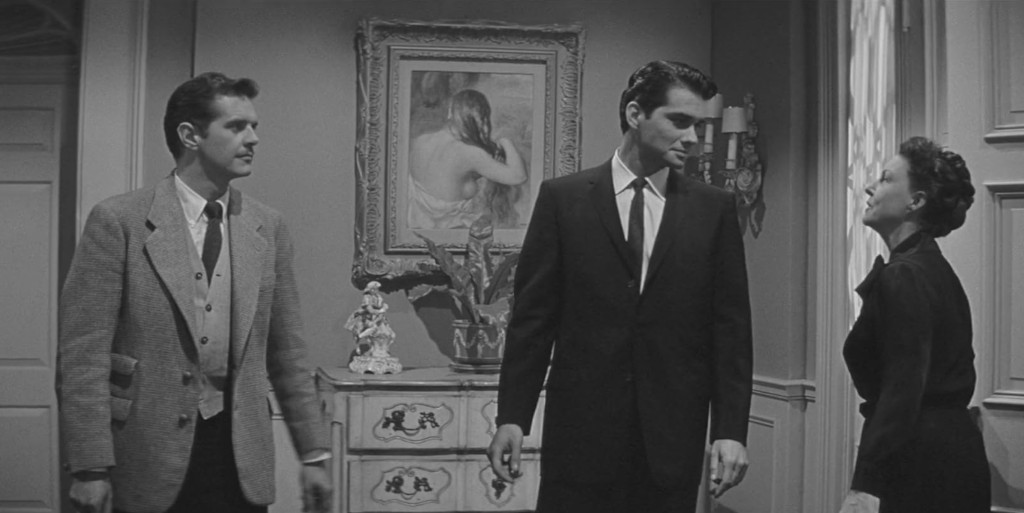
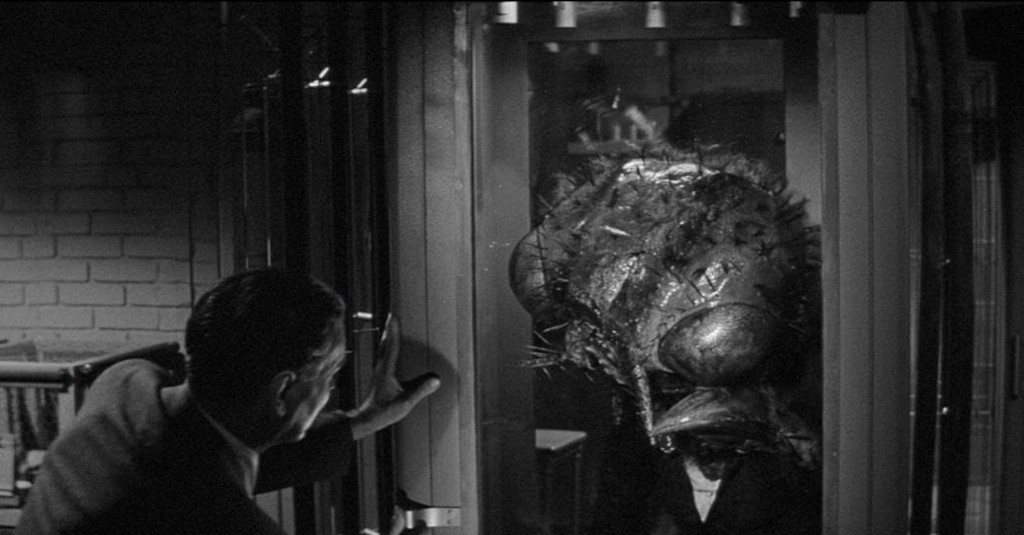
The Delambres and Hinds/Holmes salvage what they can from Andre’s old lab and set up in Philippe’s family mansion, where they pretty quickly get the teleporter working, and proceed with teleporting ash trays and bunnies. Meanwhile, Hinds/Holmes takes microfilm photos of the plans, but is interrupted by the British investigator. After a fight, Hinds/Holmes throws the cop into the teleporter with a bunny, leading to one of the more memorable images of the film. Soon after, Philippe figures out what Hinds/Holmes is up to, and after another fight, Hinds/Holmes throws Philippe into the teleporter along with – of course – a house fly, with predictable results.
Philippe the fly man breaks out of the lab and goes on a rampage in order to get revenge, with Francois, Cecile and inspector Beecham on the tails of both him and Hinds/Holmes. Meanwhile, they harbour hopes of being able to reverse the process. In the search for the other half of the man fly, they discover a house fly with the head of Philippe, repeating the “HEEELP MEEE” scene from the first movie. But will Philippe suffer the tragic fate of his father, or can he yet be saved?
Background & Analysis
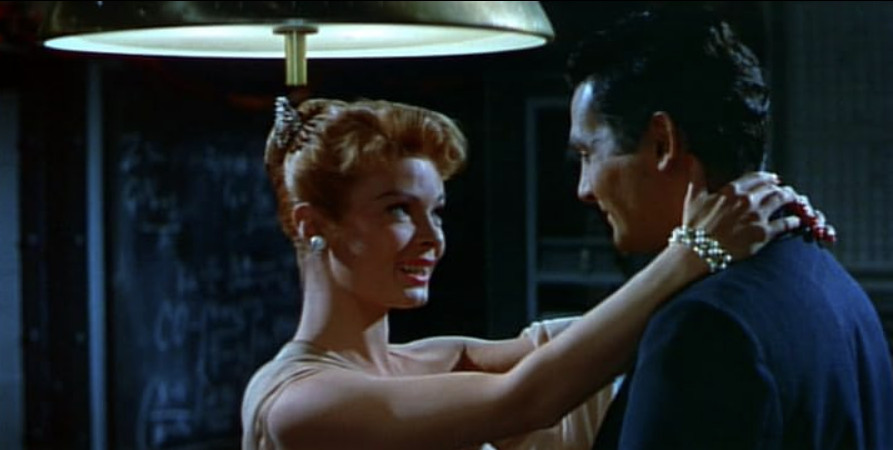
In 1958, 20th Century Fox had a huge hit with The Fly (review). Shot in CinemaScope and in colour, the film was one of the best science fiction/horror movies to come out of Hollywood in the late 50s. Based on a very good short story by Frank Langelaan, and adapted for the screen by likewise talented writer James Clavell, the picture had an intelligent script that focused on the likeable characters, and revealed its horror slowly and deliberately, allowing the audience time to build up sympathy for the people inhabiting the movie. It didn’t hurt that the picture, directed by the always reliable Kurt Neumann, looked good and, with the memorable exception of kiddie actor Charles Herbert, was well acted. No masterpiece, it is nevertheless a highlight among the many programmatic genre cash-grabs made in the era.
Sequels were not the norm at this period in time, but apparently Fox thought that the opportunity to milk the Fly brand for more money was too good to pass up. However, Return of the Fly was allocated only (according to different sources) between $225,000 and $275,00 – half the original’s budget. As a consequence, the sequel was filmed in black and white, but still retained the CinemaScope widescreen format. The original The Fly was released as a Fox property, but in reality it was produced by the studio’s independently operating subsidiary Regal Films, headed by producer, distributor and theatre owner Robert Lippert. By 1959, Regal had been replaced by Associated Producers, Inc., which was for all intents and purposes the same company with a new name. For Return of the Fly, API was allowed to shoot at the Fox backlot and made use of a lot of the studio’s crew, thus absorbing some of the financially strained studios’ overhead costs.
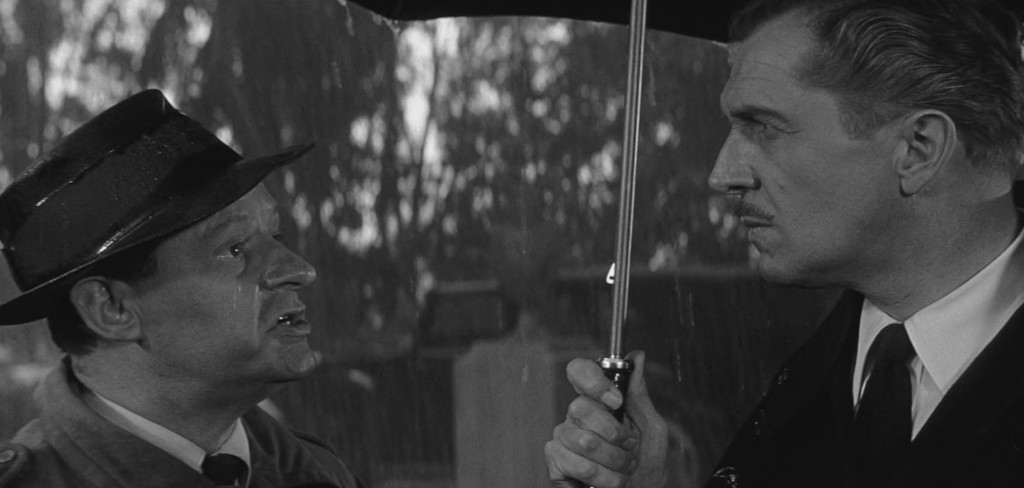
Director Kurt Neumann passed away shortly after finishing The Fly, and for the sequel, Lippert reached out to another B-movie specialist and Regal/API workhorse, Edward Bernds. Bernds had experience with science fiction, having directed World Without End (1956, review), Space Master X-7 (1958, review) and Queen of Outer Space (1958, review), all of which he also wrote or script-doctored. For Return of the Fly, Lippert entrusted him with both screenwriting and directing duties. Vincent Price was the only actor from the first movie to return, reprising the role of Francois Delambre. In an interview with Tom Weaver, Bernds says that Lippert and producer Bernard Glasser tried to get Herbert Marshall to return for the role of Inspector Charas (Bernds even included the character in his original script), but that he apparently declined; Bernds suspects that API/Fox didn’t want to pay Marshall the amount of money he requested. Vincent Price’s salary already ate up $25,000 of the film’s budget – while young lead actor Brett Halsey had to be content with $1,000, according to Bryan Senn.
While the great Karl Struss shot The Fly, for Return of the Fly, Lippert went with Brydon Baker, likewise a Hollywood veteran, but one much firmer rooted in the B-movie business. One reason Struss didn’t film Return of the Fly would have been that he was busy shooting its double-bill companion The Alligator People (review). John Mansbridge and Lyle Wheeler were art directors for both films on the bill. Paul Sawtell returned to score the sequel, but because the score was substantially longer than the original, Bert Shefter was also called in to provide additional music. The movie was shot over a period of only ten days, according to Halsey.
In the Weaver interview, Bernds gives the impression that he wasn’t entirely satisfied with how the finalised script turned out; as is the case with major studio productions, the script went through several alterations in the process, and Bernds says that it needed to be shortened and changed for budgetary reasons. One harsh critic of the film was Vincent Price, who had liked Bernds’ original script. According to Price, the “producers proceeded to put in a lot of gimmicks […] in the belief that films needed gimmicks to be popular. […] In the end, they lessened and nearly ruined the dramatic effect that could have made a truly superior picture.” According to Bernds, Price was vocal about his dissatisfaction with the finished script, and wanted several changes, which Bernds did his best to accomodate.
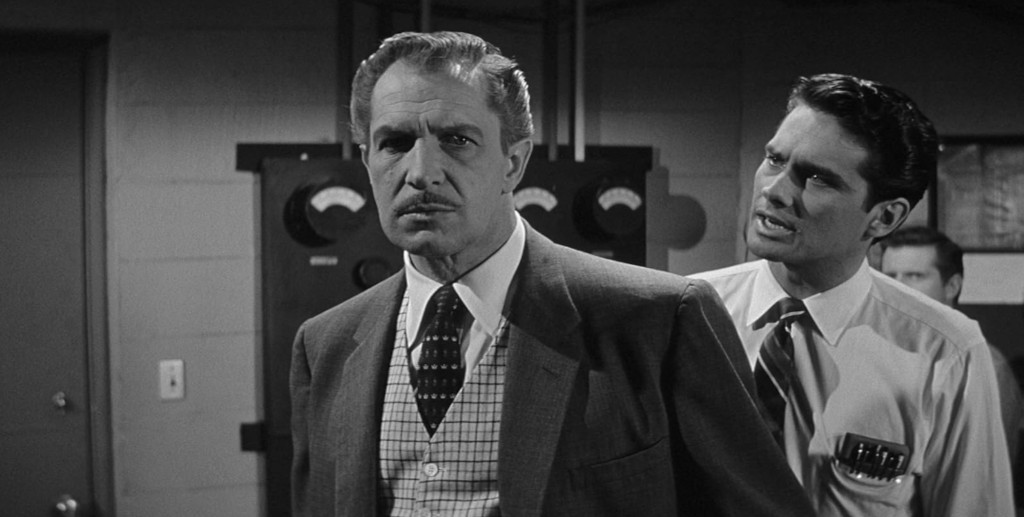
If I read Bernds’ comments correctly, the original script particularly had more material with the character of Cecile (Danielle De Metz), “scenes of warmth and charm”, that were excised for the sake of expedience as they were “not truly essential to the progression of the story”. Here I think Bernds can blame himself to some degree. Whatever the case may be with studio interference, Return of the Fly is much less a character-driven film than the original one. The fact that the character of Cecile is sidestepped stems from the problem that Bernds has not managed to integrate her in the plot in any meaningful way, other than to provide said “warmth and charm”. This in stark contrast to the original movie, where Helene Delambre is at very centre of the plot, and we essentially see the film’s proceedings from her point of view. The companion piece The Alligator People did a much better imitation of The Fly by putting Beverly Garland’s character at the heart of the story.
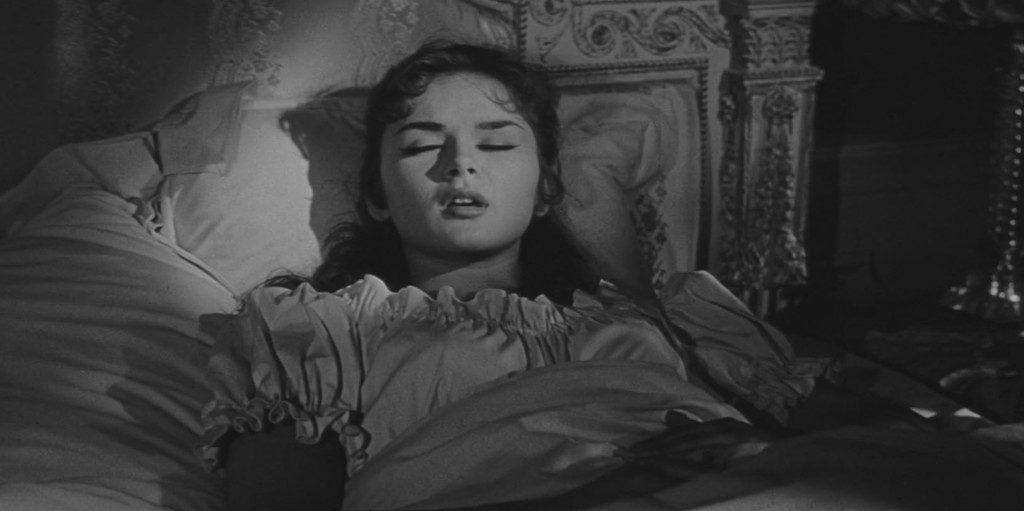
The overall feel of Return of the Fly isn’t so much that it is a spiritual successor to The Fly as it is a run-of-the-mill 50s monster movie. In my review of The Fly, I wrote why the original film was a notch above: “We care for the characters, because not only are they likeable and sympathetic, and we have had time to invest in them – they also seem like quite normal people: a normal, happy family in a normal house in a normal city. These are people that we actually like, exceedingly rare in these kind of pictures. Kurt Neumann’s and Clavell’s genius here is to make us not only sympathise but also identify with the family before they subvert the story.”
None of this is present in the sequel. We know almost nothing and feel very little for the characters in Return of the Fly, because we simply get no time to get to know them. Price is first-billed, but just like in The Fly, his Francois is a secondary character. Brett Halsey’s Philippe really has no personality traits beyond his obsession to continue his father’s work, and as opposed to his father, he doesn’t mind resorting to blackmailing his uncle in order to do it. By casting Philippe in an unpleasant light from the very beginning, Bernds creates obstacles for the character’s likeability, which in turn makes the audience indifferent to his fate. And as stated, the character of Cecile has little screen time and even less bearing on the plot.
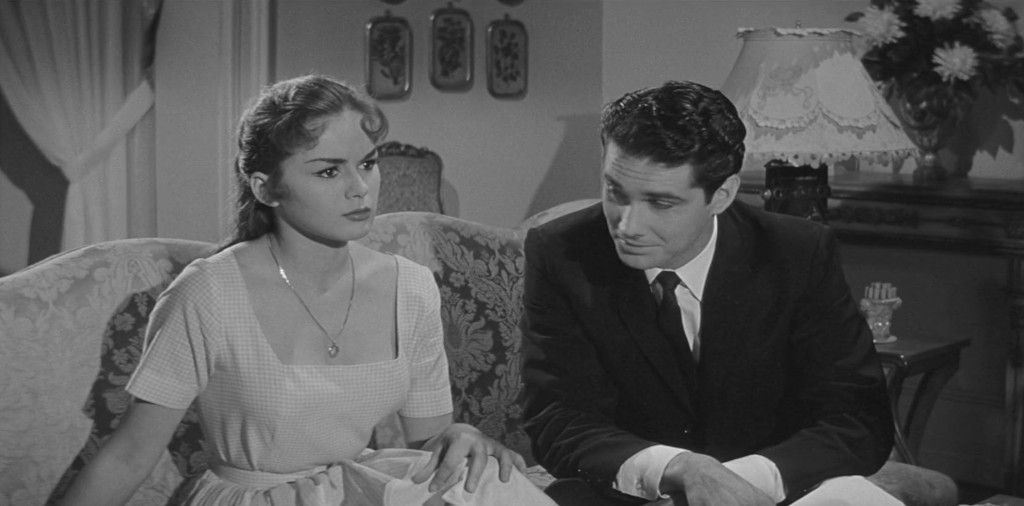
Instead, much of the film follows con man Ronald Holmes (David Frankham). First off, the character is highly implausible: would an international spy and con-man really set himself up as an assistant to an obscure scientist, toiling away for years and pretending to be the scientist’s best friend, waiting for the unlikely scenario that said scientist would stumble upon the greatest scientific discovery in a hundred years? What was the game plan here? Frankham does a good job in the role, and the character is at least mildly interesting, as opposed to all the rest of the characters in the film. Like in the movie’s double-bill companion The Alligator People, however, he’s a villain that seems crowbarred into the story simply because it needs a villain in order to propel the plot. Bernds’ problem is that he needs to recreate Philippe’s father’s mistake with the teleporter – a freak accident that Philippe goes to significant lengths to avoid. The only way to do this credibly is for someone to intentionally sabotage the experiment in the exact same way. There could have been ways to do this in a manner that tied better into the Delambre family history, or to some personal drama between Philippe and another character.
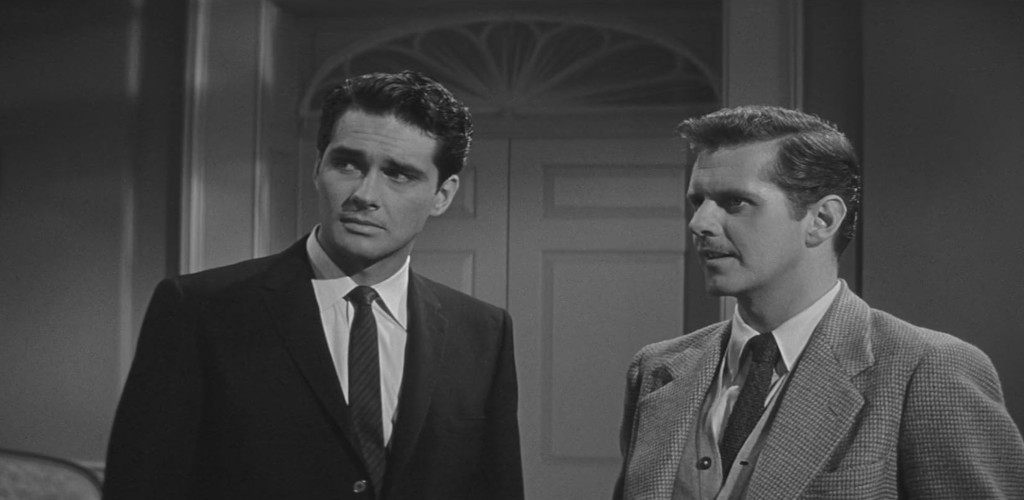
Bernds lacks the benefit of the shock value inherent in the original movie. This in part, of course, because the audience returning to this movie already knows what is ultimately going to happen – but in part also because Philippe’s transformation is less shocking when we don’t really care much about what is going to happen to him. The studio knew that audiences had come to see Philippe the fly, and probably pushed for more material with the human fly. This means that Philippe with a fly’s head is introduced early – too early – and gives him little to do other than run around the woods and seek out and kill Max at the funeral parlor (how he knows that Max is in cahoots with Holmes – or where he is stationed – is never explained, neither how Philippe is able to get around town without being noticed). The first reveal still packs a punch, but the effect wears off quickly, partly because the new, bigger, head design comes off as slightly comical compared the the original design.
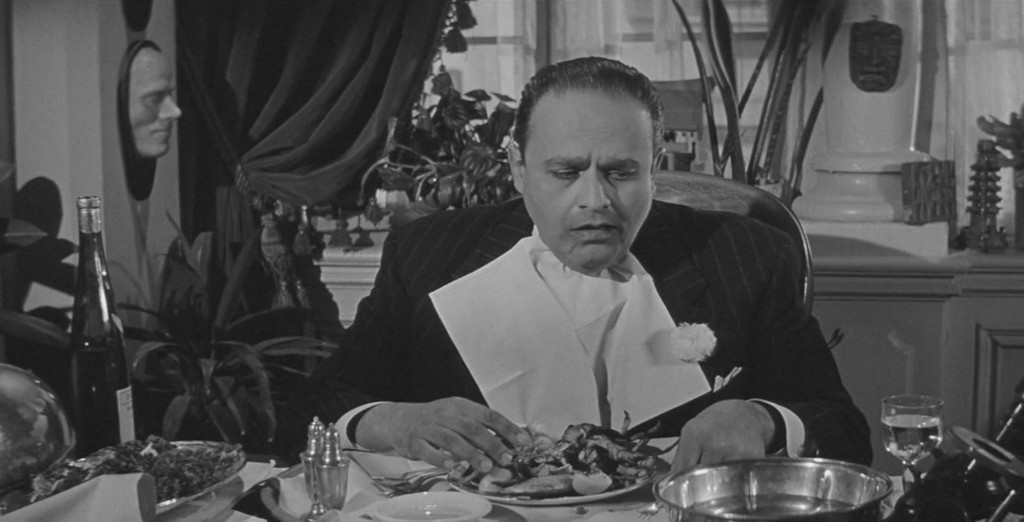
Then there is the odd continuity of the picture: Both films were made only a year apart and both supposedly took place in the present, but the sequel makes it clear that 14 years have passed between them. If that were the case, then the first film should have taken place during the final year of WWII – which it clearly doesn’t – or the second film should have taken place in 1973 – which it clearly doesn’t.
The movie is full of these illogical contrivances that stem from the underlying problem that Bernds needs to get to the same conclusion as the original movie, but tries his darndest not to merely copy it. Since the story of the scientist was already told in the first film, he comes up with the elaborate subplot concerning industrial espionage, an international spy hunt, the wholly redundant character of Max the funeral parlor fence, etc. One scene is added onto the next with little connecting them, for the sake of filling out the movie’s duration.
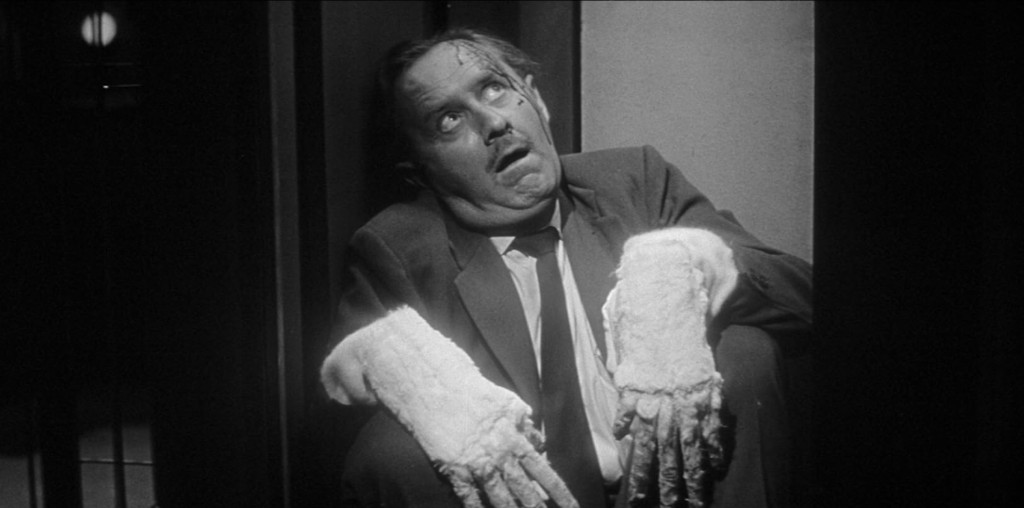
The film does introduce a new element – the possibility to “store” the teleported material between disintegration and reintegration, which becomes a handy way for Holmes to hide his crimes. But it’s all less engaging when the teleporter is used as a weapon. The scene in which the British investigator is turned into a rabbit man has good shock effect: until you see the rabbit with comically added human hands.
One cannot be too harsh in one’s criticism of Bernds. He was in a tricky situation: on the one hand, he had to create a sequel that followed logically in the footsteps of The Fly, but on the other hand wasn’t a complete rehash of the original movie. It can’t have been easy to find a good way of turning yet another scientist into a fly using a teleporter, and I think Bernds does the best he can considering the circumstances. It had been easier to create a well-rounded, original film using the teleporter to do something else, but then “Return of the Teleporter” probably wouldn’t have filled many seats in the theatres. So a fly it had to be.
Making the film in black and white wouldn’t necessarily have had to be a problem – most films of the time still were monochrome, in particular the B-movies. But perhaps the visuals tempted Bernds to take the film more into crime noir territory, which I think was a mistake. The film is not badly directed – Bernds was a seasoned veteran who knew what he was doing, and was used to making films under time pressure. There’s a few sequences where he is able to create some tension and atmosphere, but on the whole both the direction and Brydon Baker’s cinematography are rather flat and workmanlike. The 35 mm anamorphic lens used for the CinemaScope format favours scenery and restricts dramatic close-ups, which adds to slightly stagey feel of the movie.
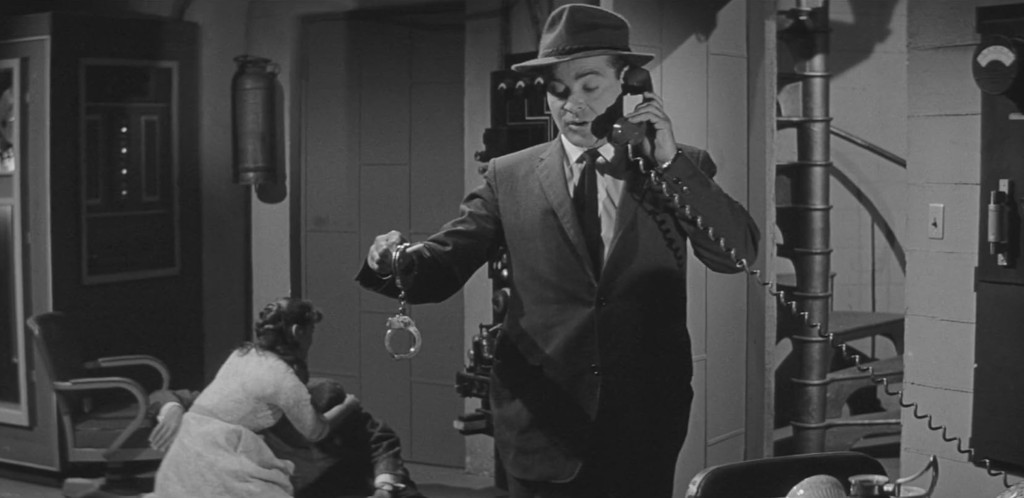
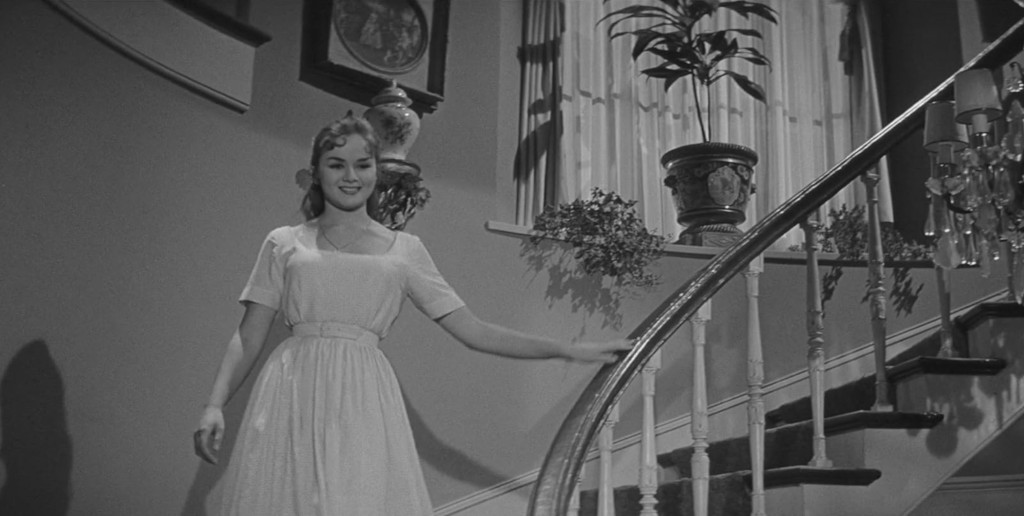
Vincent Price was always at his best when he could utilise his full range of hammy theatricality and his mischievous sense of humour, but he isn’t allowed to do so in the bland role of Francois. Brett Halsey was probably cast because of his familial resemblence to The Fly’s star David Hedison. Halsey is fine in the lead but leaves no lasting impact. David Frankham as Holmes is the highlight of the movie, acting-wise. This was the British radio and TV actor’s first major movie role, and remained the biggest of his career. French Danielle De Metz is incredibly cute and brings some much needed warmth to the movie, but, as noted, gets too little material to work with.
Return of the Fly required a good deal of prosthetics work, what with Philippe’s fly head, arm and leg, as well as the bunny makeup for the detective. Fox’s Hal Lierly gets sole makeup credit, but it is doubtful that he was the artist behind the monster design, as there’s nothing else on his credit sheet that suggests this was his forté. He seems to have mainly worked with conventional movie makup. Lierly probably got credit because he was the supervising makeup artist on the film, but the creature design and execution were probably done by an uncredited team at the studio’s makeup department. The obvious choice for the job would have been the head of Fox’ makeup department Ben Nye, who designed the original fly makeup, but he is not credited here, and was working on The Alligator People.
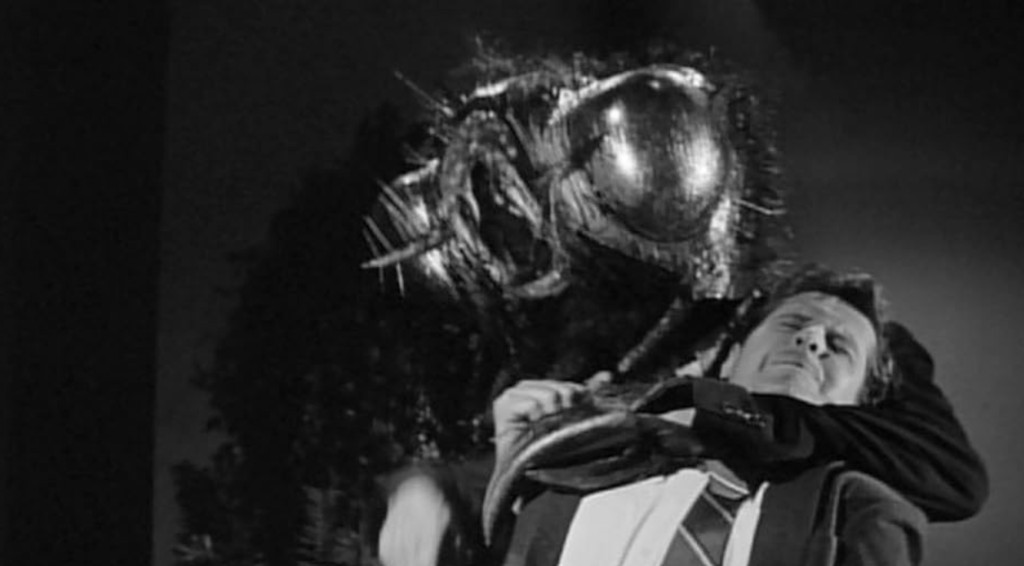
Brett Halsey didn’t actually wear the fly makeup. Bernds wanted to make the fly man huge, and hired 7’4, or 225 cm, tall actor Ed Wolff to play the role under the prosthetics. However, the prosthetics were too heavy for the frail Wolff to run with in the forest, and Bernds replaced him in these scenes with the shorter stuntman Joe Zboran.
Despite its flaws, it’s not a terrible movie. It moves along at a nice pace, and it is well-written enough to hold one’s interest. The plot twists are often contrived, and the film’s curveballs are a little out of left field and poorly motivated, but at least they bring a slight sense of unpredictability to what could otherwise have been a rather trite rehash. It’s solid work, but unimaginative and programmatic.
Reception & Legacy
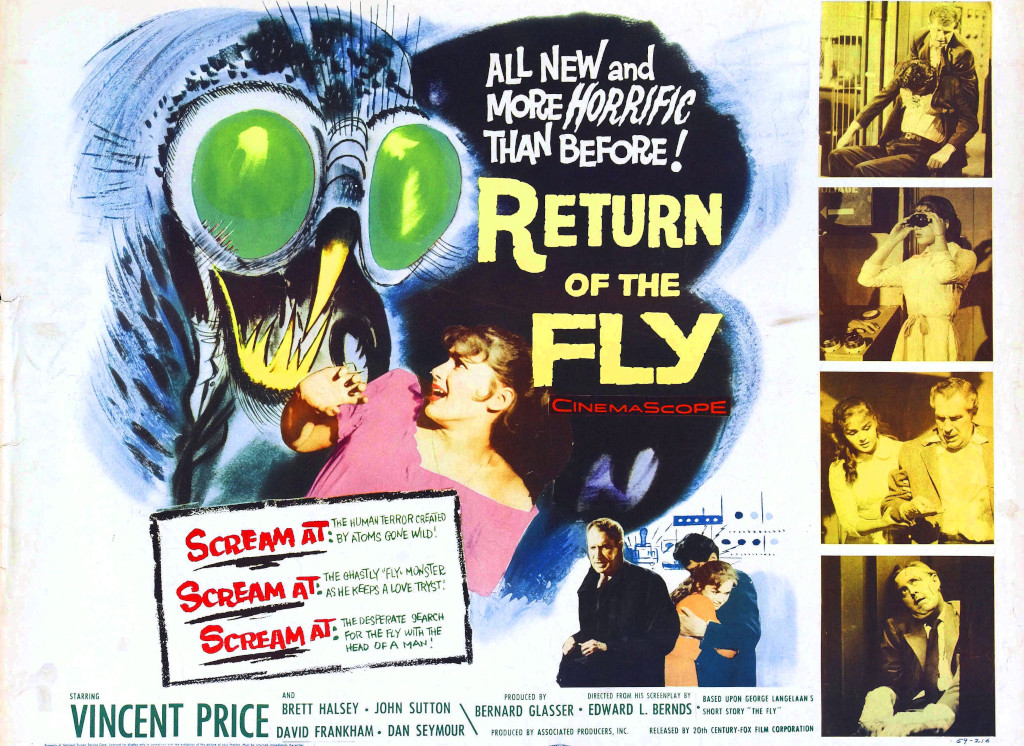
Return of the Fly premiered in the US in July, 1959, and was distributed in most areas as a double-bill with The Alligator People (review). It had a wide international release over the two subsequent years. I have found no box office records, but one can assume that with such a low budget and the reputation of the original film, the movie made a moderate profit.
Trade press critics were divided on the film’s merits. All agreed the film was not up to the standard of The Fly, but some were more positive than others. Among the enthusiasts were Harrison’s Reports, who thought Return of the Fly “grips attention from the outset and builds to a terryfying climax”, and called it “superior to most of the science-fiction films that have been flooding the market of late”. Likewise positive was Samuel D. Bernds at the Motion Picture Daily, who called it “a worthy successor”.
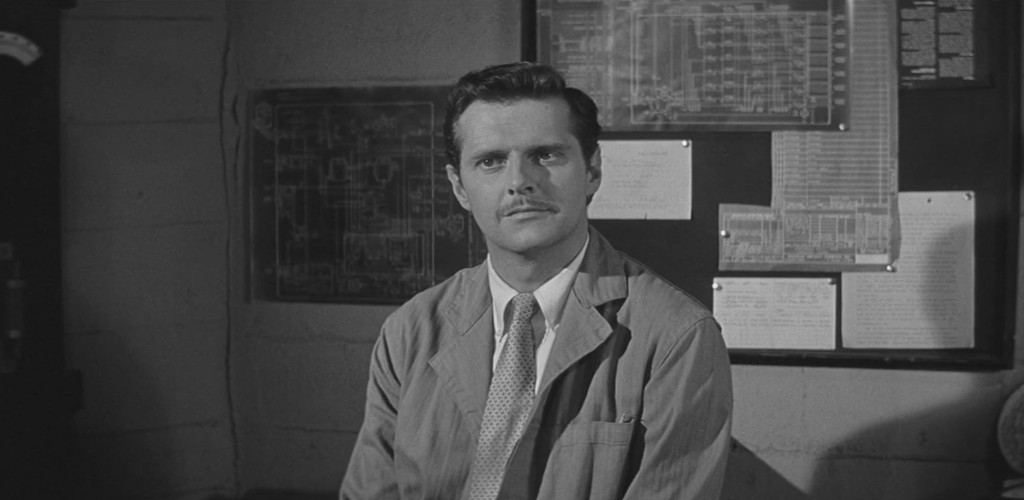
However, the Motion Picture Exhibitor said: “the original is far better than the sequel. Depending on exactly the same horror elements for shock, and lacking color that added much to the first presentation, this is never more than a fair horror subject. It also lacks the sustained story interest of The Fly.” Peter Glenville, or “Glen” in Variety was even more downbeat: “Word-of-mouth will injure the film’s chances, […] because, with justice, it will be unfafourably compared with the first”. Glenville called the plot “amateurishly contrived”, and accused the film of a “lack of imaginative dialog and absence of appropriate tempo”, calling the whole thing “one unmotivated episode after the other”. However, he admitted the film was “technically slick” and the special effects good.
Phil Hardy in his Encyclopedia of Science Fiction Movies (1984) called the movie “often (unintentionally) hilarious”, Bernds’ script “episodic” and his direction “flat”.
Bill Warren in his 2009 revised edition of Keep Watching the Skies! wrote: “The major defect in the film is its trite, unimaginative, illogical script. It merely recapitulates the ideas from the first film, cumbersomely and uncreatively.” However, he noted it wasn’t terrible, and gave props to its fast pace and the fact that the horror elements “delivered the goods”. Still, “the film is basically routine”. Bryan Senn in Twice the Thrills! Twice the Chills! (2019) says: “Return replaces the well-rounded drama and poignant internal struggles of the original with one-dimensional characters and monster action. Instead of The Fly’s involving tragedy with horrific overtones, Return becomes a standard Monster Movie with pulpish sensibilities.”
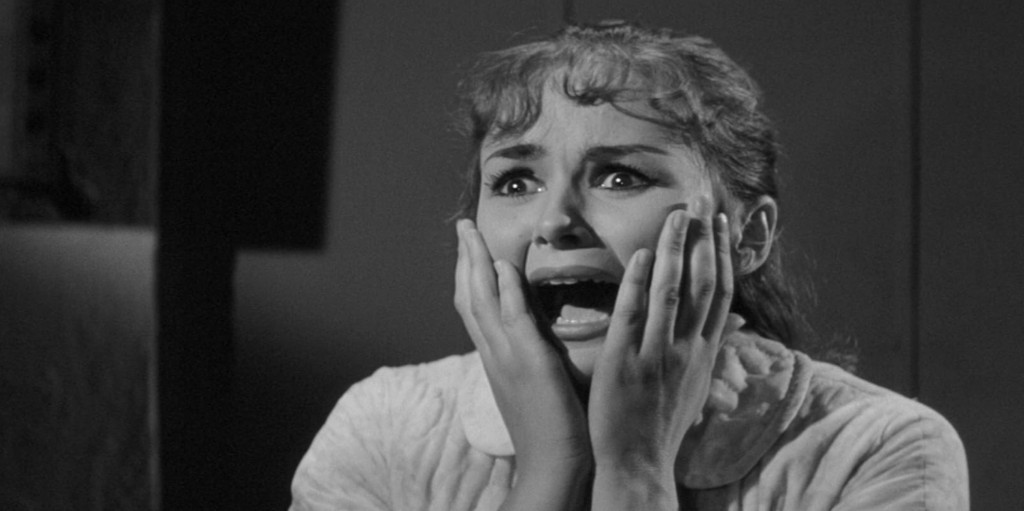
DVD Savant Glenn Erickson is polite, saying “Bernds’ direction is lively and Vincent Price has some good moments”, despite “a formulaic script” that “reruns the same horror concept”. Derek Winnert in his 2/5 star review calls it a “cheap and tacky […] sequel”, and writes: “there is an infuriatingly silly tone this time thanks to Three Stooges director Bernds, who does not take the subject matter or the horror nearly seriously enough”. Dave Sindelar at Fantastic Movie Musings and Ramblings is also disappointed: “I miss the inner conflicts that fleshed out the character of the monster from the first movie; this one is just a typical marauding monster once it cuts loose. It’s not a bad movie by any means, but it is several steps down from the original.”
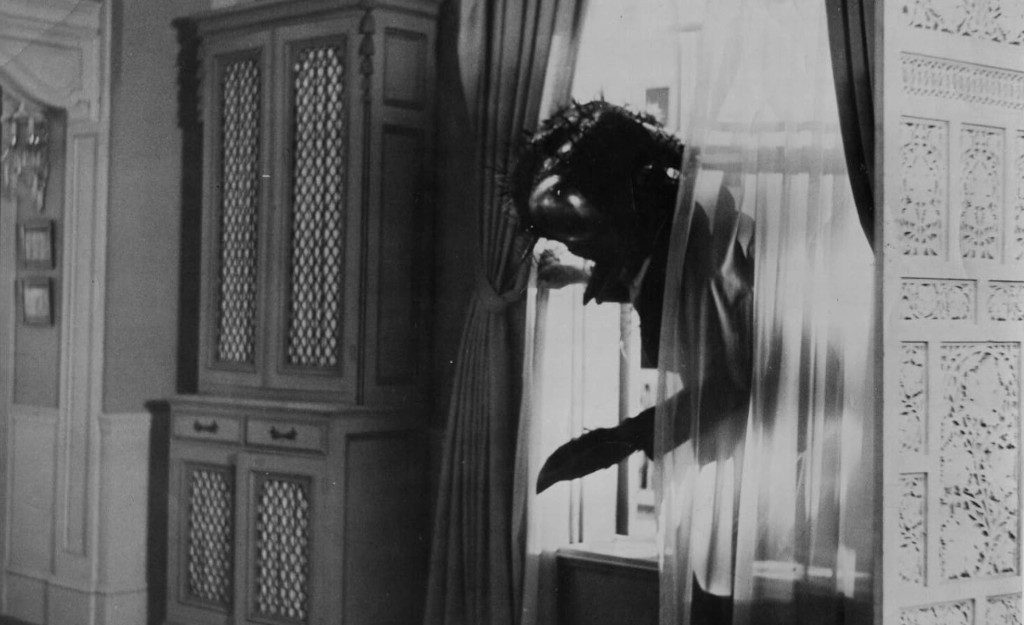
The original The Fly (1958, review) inspired a direct sequel, Return of the Fly (1959), and a semi-sequel, Curse of the Fly (1965), produced by Robert Lippert in the UK. In 1986, David Cronenberg directed a remake of The Fly, aptly named The Fly (1986), which, if one squints, can be seen as incorporating elements from all three films in the original trilogy. As is well known, this is one of the few remakes in film history that almost everyone agree is an improvement on an already good original. Three years later, that film’s special effects creator, Chris Walas, directed a sequel, The Fly II (1989), generally considered a letdown. While it is ostensibly a sequel to the 1986 film and not a remake of Return of the Fly, it does use the 1959 movie’s original premise inasmuch as it follows the original scientist’s son trying to recreate his father’s experiments, eventually turning into human fly. And like Return of the Fly, The Fly II ditched the original’s thoughtful themes and intelligent script for programmatic monster action.
In the 2010s, David Cronenberg was seriously developing a follow-up to The Fly for 20th Century Fox, and even had a script ready, but the project eventually dried up. In 2024, 20th Century Studios confirmed that a film “set in the same universe” as Cronenberg’s 1986 movie was in the works. The director slated for the project was Nikyatu Jusu, who made a bit of a splash in 2022 with her micro-budgeted psychological horror thriller tapping into themes of the African-American reality, Nanny. However, Jusu’s name is currently attached to a number of productions, either vaguely reported as being “in pre-production” or with little more than rumours to go on – these include a feature-length version of her award-winning 2019 vampire short film Suicide by Daylight, a project reportedly starring John David Washington, titled “Mime”, and a zombie movie, again “set in the same universe”, as George Romero’s Night of the Living Dead (1968). As of writing in November, 2026, no news about the supposed Fly movie has emerged since the first announcement in 2024.
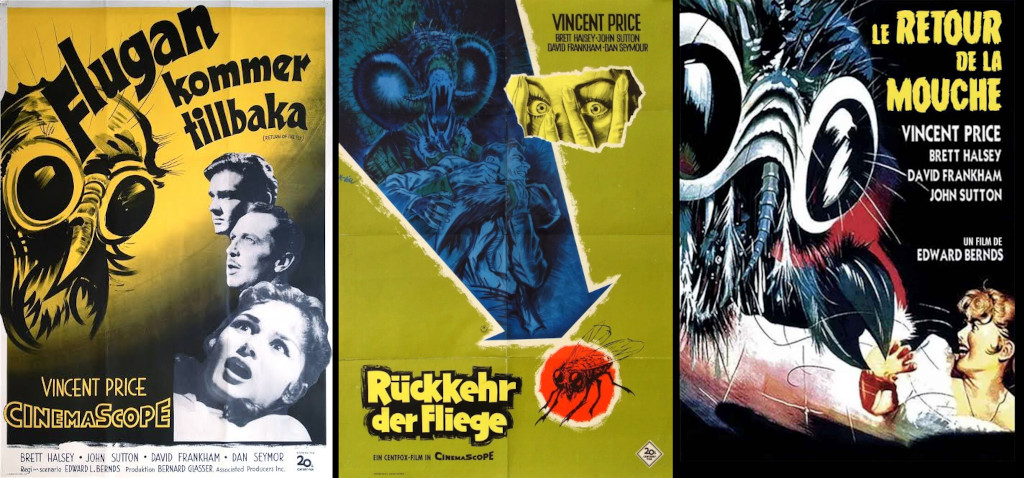
Return of the Fly circulated on VHS in the 80s and 90s, and got a DVD release in 2007 on a Fox Fly collection. It is currently available as a number of DVD options. Shout! Factory released it on blu-ray as part of its 5-disc The Fly Collection in 2019.
It does not seem to be included in any streaming packages, but according JustWatch, it should, as of writing, be available for rent and purchase at either Apple TV, Prime Video or Fandango in the US, the UK, and the English-speaking Commonwealth, while Disney+ seems to carry it in South America. Outside of these, illegal streaming seems to be the only option.
Cast & Crew
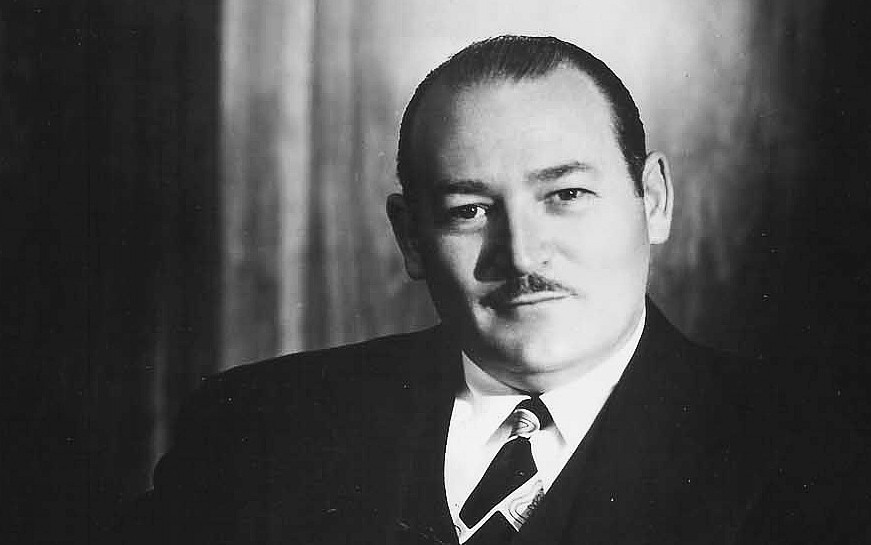
I have a long write-up on producer Robert Lippert in my review of The Fly, so do head over there for more on him. In short, Lippert was a shrewd theatre chain owner who started producing films in 1945, mainly as an answer to rising film rental fees. He had a nose for trends, and in 1950 was able to ride the publicity surrounding George Pal’s much talked-about moon flight film Destination Moon (review). Producing quickly on a small budget, he managed to beat Pal’s big-budget colour extravaganza to the cinemas by mere weeks with his own Rocketship X-M (review). After this, Lippert’s career was closely associated with science fiction and horror, although he produced a plethora of films in all conceivable genres.
In the 50s and early 60s Lippert specialised in B+ movies, first as an independent producer, and between 1956 and 1962 for Fox. Citing high production costs in Hollywood, he made half a dozen movies in the UK in the early 60s, and returned to the US to make a few more, but retired from film production in 1967 to focus on his theatre chain.
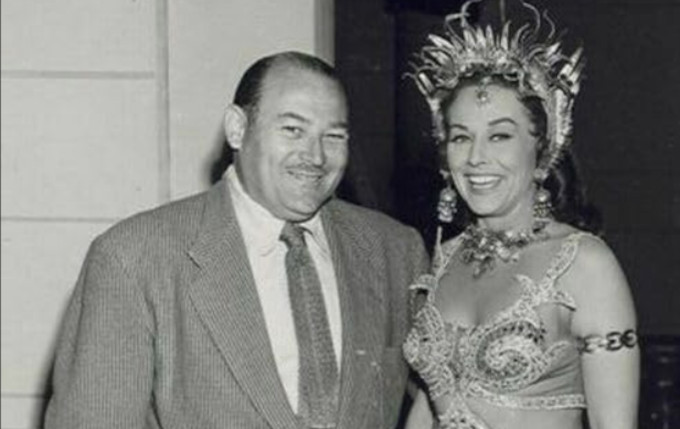
Exactly how many science fiction movies Lippert had his hands in is impossible to tell without going through all the productions of his different companies, which I am not prepared to do right now. However, they amount to at least 20. Highlights include Rockethip X-M (1950, review), the hollow Earth movie Unknown World (1951, review), Hammer’s Spaceways (1953, review) and The Quatermass Xperiment (1955, review), Bert I. Gordon’s King Dinosaur (1955, review), Roger Corman’s Monster from the Ocean Floor, (1954, review), Regal’s Kronos (1957, review), Space Master X-7 (1958, review), The Fly (1958, review), Return of the Fly (1959), The Alligator People (1959), The Last Man on Earth (1964), Curse of the Fly (1965) and The Earth Dies Screaming (1965).

Director Edward Bernds, born in 1905, was one of the few people in Hollywood who rose to the director’s chair in Hollywood through the sound department. From his work in radio, he became a sound technician in Hollywood with the coming of the talkies, and got his chance to direct in 1944. He was slated as a comedy man, and between 1945 and 1962 directed several dozen short films and three features for The Three Stooges. In 1948 Bernds was contracted to take over the direction of Columbia’s hugely popular Blondie comedy film series about the Bumstead family. Between 1948 and 1950 he directed the five last films in the series. He was also commissioned to direct another comedy film series based on a comic strip, Gasoline Alley, which ended up being only two movies long.

Moving to Allied Artists in 1953, he took over another hit series, The Bowery Boys, with whom he made eight movies over three years, including the horror comedy cult classic The Bowery Boys Meet the Monsters (1955). At AA, he also branched out from comedy to other genres — straight westerns, melodramas, action thrillers, even a hockey movie. Apparently his contract with AA wasn’t exclusive, and on the side he branched out into TV and worked with other low-budget companies, particularly Regal Pictures and API, for whom he made a string of teensploitation movies. 1955–1960 was a mishmash of low-budget movies: comedies, teensploitation, crime dramas, action films and a couple of science fiction movies. In 1958 he directed Space Master X-7 (review) for Regal and Queen of Outer Space (review), starring Zsa Zsa Gabor, for AA. He is probably best known to genre fans as the writer and director of the sequel Return of the Fly (1959), with Vincent Price returning as the co-lead. And in 1961 he directed the cult movie Valley of the Dragons for Al Zimbalist. Another milestone, or perhaps more a gravestone, for his career, was that he wrote the script for Elvis’ 1965 movie Tickle Me, which was his last official screen credit – the film helped save Allied Artists from bankruptcy.
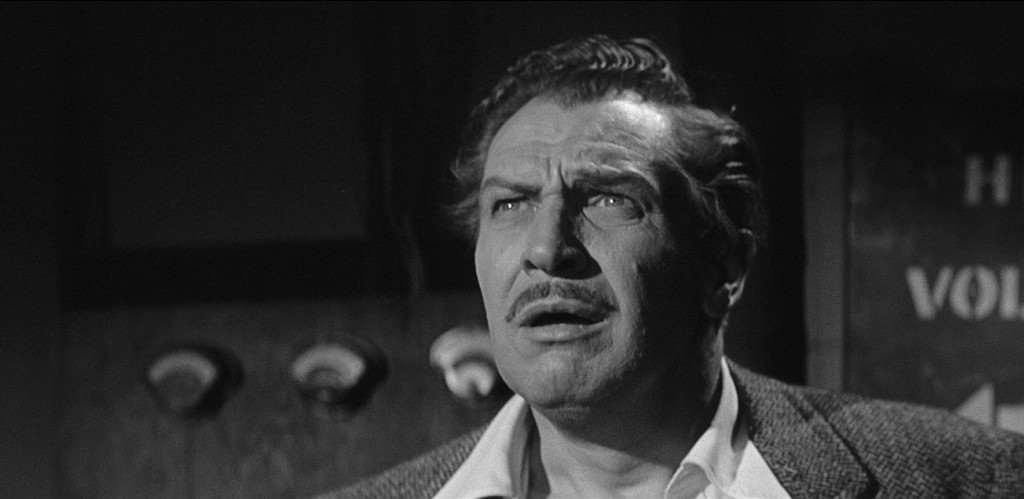
Vincent Price is counted among the true legends of the horror genre – a reputation he cemented with a string of five films in 1958 and 1959: The Fly (review), The Tingler, The Bat, Return of the Fly and, most notably, House on Haunted Hill. In 1960, Roger Corman called upon Price to star in The Fall of the House of Usher. Price and Corman bonded over their love for Edgar Allan Poe and a mutual pencheant for mixing the macabre with tongue-in-cheek humour, and during the course of four years, they made half a dozen Poe adaptations, which have remained Price’s most lasting legacy. There are several other memorable horror roles worthy of mention, but since we do not specialize in horror here on Scifist, we’ll just direct you the eminent Robin Bailes’ video on Price’s top 10 horror roles, and his video on Corman’s Poe cycle. All in all, Price appeared in over 110 movies and almost as many TV shows in a film career that spanned seven decades.
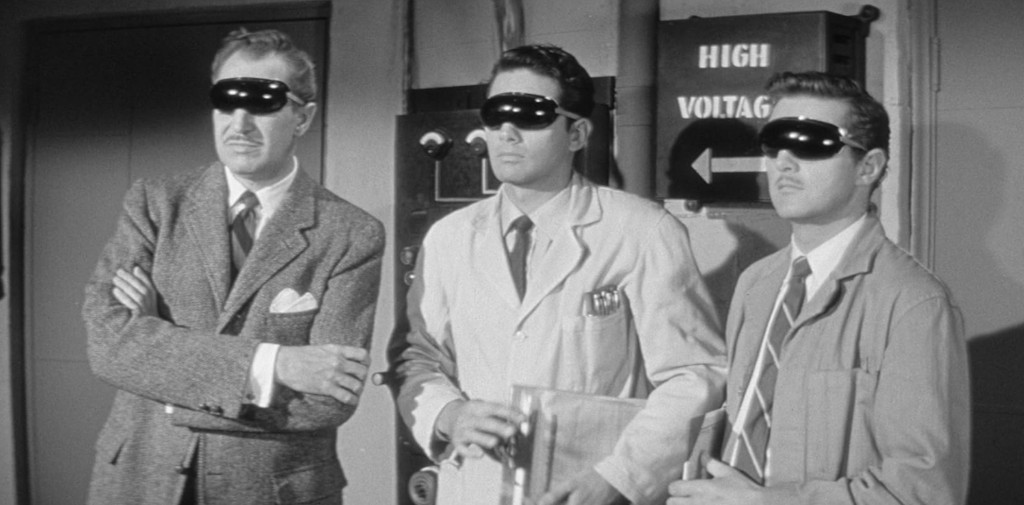
Price also appeared in a dozen science fiction movies, starting with The Invisible Man Returns (1940, review) and continuing with The Fly (1958, review) and Return of the Fly (1959). He starred as Robur the Conqueror in AIP’s adaptation of Master of the World (1961), brought to life some of the creepy characters by Nathaniel Hawthorne in the anthology film Twice-Told Tales (1963) and became a vampire/zombie hunter in the post-apocalyptic The Last Man on Earth (1964), one of his most well-remembered roles, but according to some, Price was miscast as the everyman character in the center of the film. He played a mad scientist in the SF comedy Dr. Goldfoot and the Bikini Machine (1965) and reprised the role in the Italian sequel Dr. Goldfoot and the Girl Bombs (1966). In 1965 he played another Vernean character in War Gods of the Deep, and in Scream and Scream Again (1970), he teamed up with Christopher Lee and Peter Cushing, playing a campy version of a modern-day Dr. Frankenstein. In 1988 he had a supporting role in the SF action comedy Dead Heat. And while it isn’t generally considered science fiction, one must also mention Price’s brief but touching performance as the creator of Johnny Depp’s artificial boy in Tim Burton’s Edward Scissorhands (1992), which was to become his penultimate screen appearance.
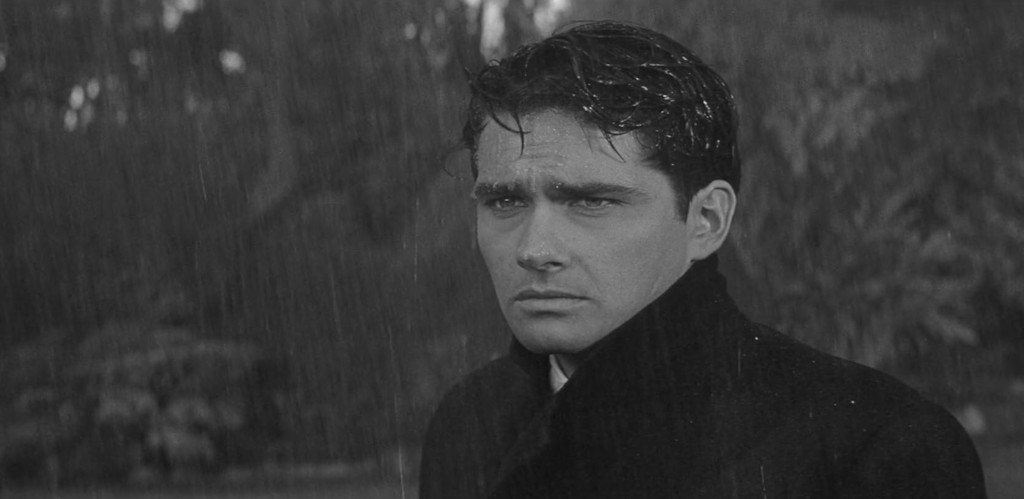
In 1959, Brett Halsey was a rather unknown actor in Hollywood, and has later credited Return of the Fly (1959) as his breakthrough, as it got him cast in Fox’s A-movie The Best of Everything (1959). While it didn’t take him to stardom, it got him a foot in the door, and ensured steady employment for the following years, albeit largely in B-movies. One of them was a co-lead in Allied Artists’ The Atomic Submarine (1959). In 1961 and 1962 he also co-starred in the TV show Follow the Sun, shot in Hawaii.
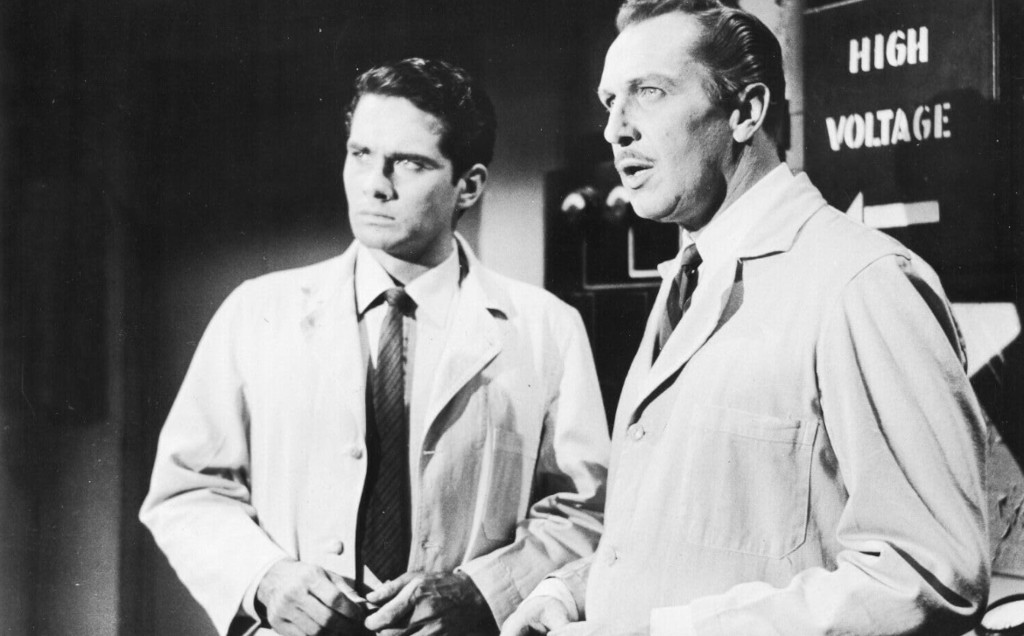
On the day the shooting of Follow the Sun ended, Halsey got an offer from a Italy, regarding the lead in Riccardo Freda’s swashbuckler The Seventh Sword (1962). Having always wanted to star in a swashbuckler, and free from other obligations, Halsey took the offer. This was a period when Italian producers were actively recruiting B-grade movies stars from the US to feed the peplum boom of the late 50s and early 60s, with one eye on the domestic market and one on the international one. Between 1962 and 1971 Halsey starred in close to 20 Italian films. Among his best remembered roles are those in Freda’s The Seventh Sword and The Magnificent Adventurer (1963), Tonino Cervi’s and Dario Argento’s Today We Kill, Tomorrow We Die (1968), Alberto Cardone’s The Wrath of God (1968) and Mario Bava’s Roy Colt & Winchester Jack (1970). In between he also appeared in a handful of American, German, French and Spanish films – best remembered is Sidney Salkow’s Nathaniel Hawthorne horror anthology Twice Told Tales (1963). Past 1971 Halsey primarily worked in the US – in the 70s and 80s almost exclusively on TV. He is best known to non-genre fans for playing John Abbott on the soap opera The Young and the Restless between 1980 and 1981.
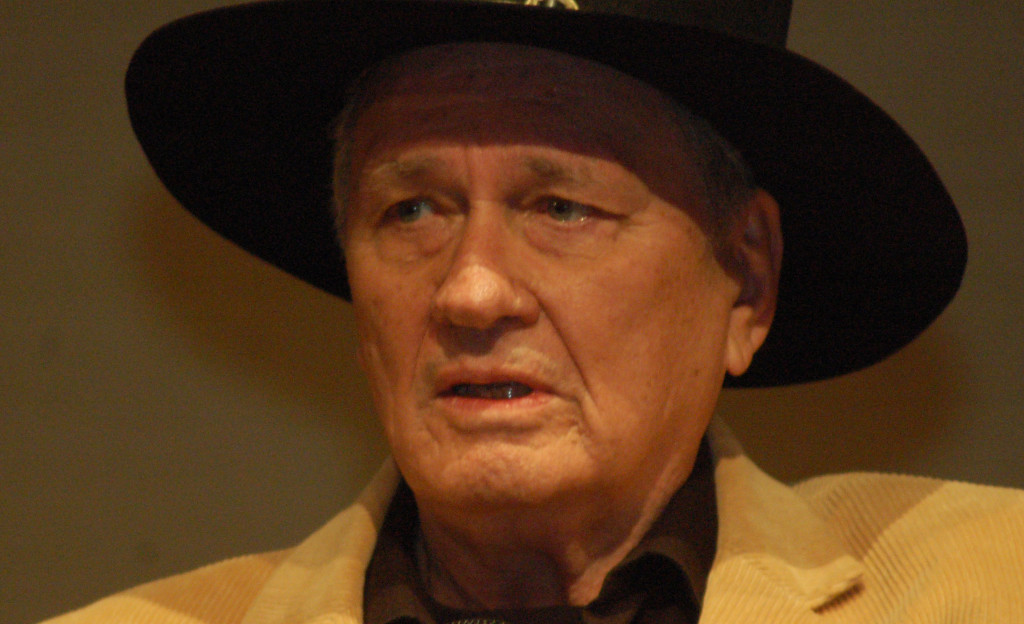
However, with the renewed popularity of Italian B-movies with the dawn of home video, he returned frequently to Italy to star in new films. In particular, he starred in three of schlock horror master Lucio Fulci’s movies The Devil’s Honey (1986), Touch of Death (1988) and Demonia (1990). Fulci also built his movie A Cat in the Brain (1990) around archive footage from Touch of Death – without Halsey’s permission. He also appeared in Antonio Margheriti’s The Commander (1988), Bruno Mattei’s Cop Game (1988), Luigi Cozzi’s The Black Cat (1989) and Duccio Tessari’s Beyond Justice (1991). Halsey retired from acting in 2015, and as of writing in November, 2026, he is still in the books of the living.
Halsey’s science fiction credits are primarily from TV guest spots. However, he appeared in a bit-part in Revenge of the Creature (1955, review) and starred in Return of the Fly (1959), The Atomic Submarine (1959) and Twice Told Tales (1963). He appeared in a small role in Expect No Mercy (1995) and had a small recurring voice role in the animated TV series X-Men (1992–1997).
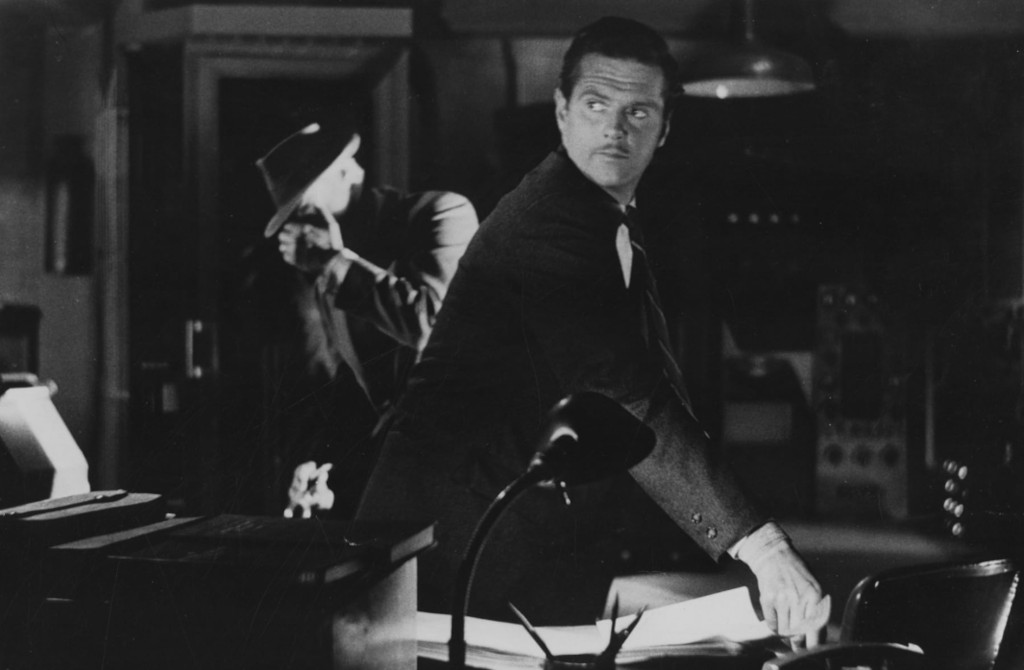
Return of the Fly (1959) probably provided British-born David Frankham with the biggest role of his career. After working at the BBC in various capacities, Frankham moved to Hollywood in 1955 to pursue a career as an actor. Apart from his role in Return of the Fly, his most prominent assignment was providing the voice of Sgt. Tibbs, Colonel’s feline sidekick in One Hundred and One Dalmatians (1961). Apart from this, Frankham divided his time between guest spots in TV series and supporting roles in – primarily minor – feature films. Sci-fi gave him another prominent role in AIP’s Jules Verne adaptation Master of the World (1961), again oppisite Vincent Price. He appeared a third time with Price in Roger Corman’s Edgar Allan Poe anthology Tales of Terror (1962). In the third season Star Trek episode “Is There No Truth in Beauty”, Frankham played Enterprise engineer Larry, who gets rejected by the empath Miranda. Even though his career never quite took off, he kept working steadily from the mid-50s to the early 80s, and did appear in half a dozen films and TV shows up until 2018. Like Halsey, Frankham seems to be still around in November, 2026.
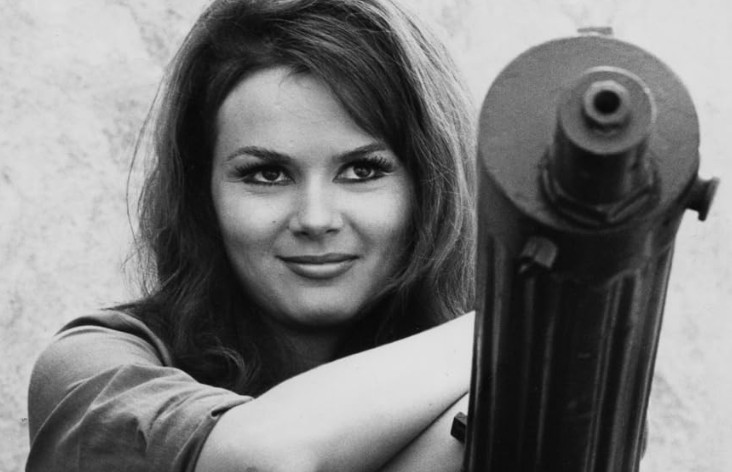
French-born Danielle De Metz moved to Hollywood in the late 50s, without any recorded acting experience, but got a chance when 20th Century Fox put her in the studio’s acting school. The small female lead in Return of the Fly (1959) was her first on-screen appearance, and proved she had charm to spare. She worked again with the film’s director Edward Bernds‘ in a supporting role in Columbia’s poorly regarded lost world picture Valley of the Dragons (1961), and appeared in Bert I. Gordon’s fantasy film The Magic Sword (1962). As her Hollywood career wasn’t taking off, she also did a handful of films in Italy, with two leads in minor pictures: one Steno comedy and one forgotten swashbuckler released in the US as The Black Invaders (1962). Her only credit from a major movie was in a small supporting role in the Blake Edwards/Peter Sellers comedy The Party (1968), with Sellers in brownface. De Metz was comparatively busy during the 60s, but mainly in TV guest spots. IMDb has an undated, sourceless quote of her complaining about both the quantity and the quality of work she was offered in Hollywood. She retired from acting in 1972.
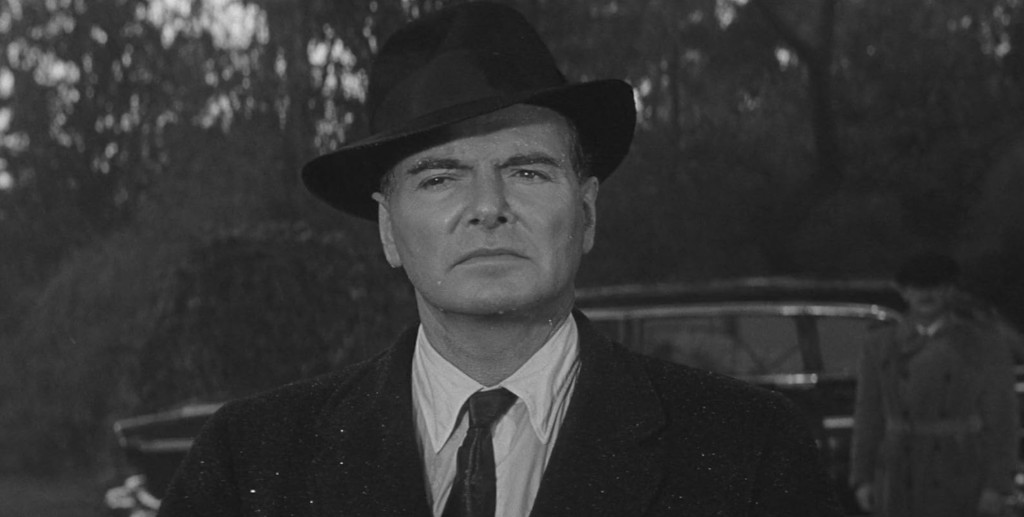
Inspector Beecham is played by John Sutton. Sutton was a curious character, as he grew up in the British colony in India, current Pakistan, and spent much of his youth more or less as an adventurer travelling the British colonies in Asia and Africa, working in various positions, before he moved to USA and became a Hollywood consultant on films set in the British Empire in the mid-thirties. Someone at Hollywood must have noticed his good, dark looks and placed him in front of the camera, often as a darker, aristocratic counterpart to heroes like Erroll Flynn, Tyrone Power or Gene Kelly. In the early forties he had a short stint as a lead actor when most big stars where helping the war effort. One of his rare co-leads was in The Invisible Man Returns (1940, review), in which he played the brother of the first movie’s invisible man. However, Sutton remained visible in the entire film, instead it was Vincent Price who turned invisible. The Invisible Man Returns was Sutton’s second collaboration with Price, and they would go on to appear in all of eight movies together – Return of the Fly (1959) being the last one.
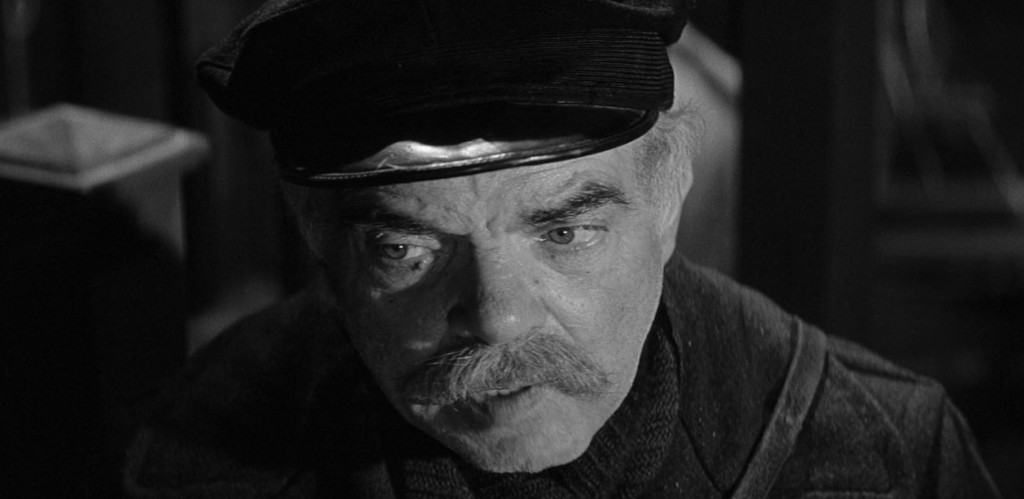
In a small role as the Delambre factory’s watchman in Return of the Fly (1959) we see Michael Mark, whom we have recently encountered as a wasp-loving scientist in The Wasp Woman (1959, review). Mark was long a Universal stock actor, and appeared in four original Universal Frankenstein films: Frankenstein (1931, review), Son of Frankenstein (1939, review), The Ghost of Frankenstein (1942, review) and House of Frankenstein (1944, review). The first film had him doing one of the film’s pivotal – albeit small – roles, as the father of little Maria, who is accidentally drowned by the Frankenstein creature played by Boris Karloff. The image of Mark carrying the limp Maria in his arms, demanding vengeance, is film legend. He also had barely noticeable parts in sci-fis like 6 Hours to Live (1932) and Return of the Fly (1959) and substantial supporting roles in Attack of the Puppet People (1958, review), and The Wasp Woman 1959).
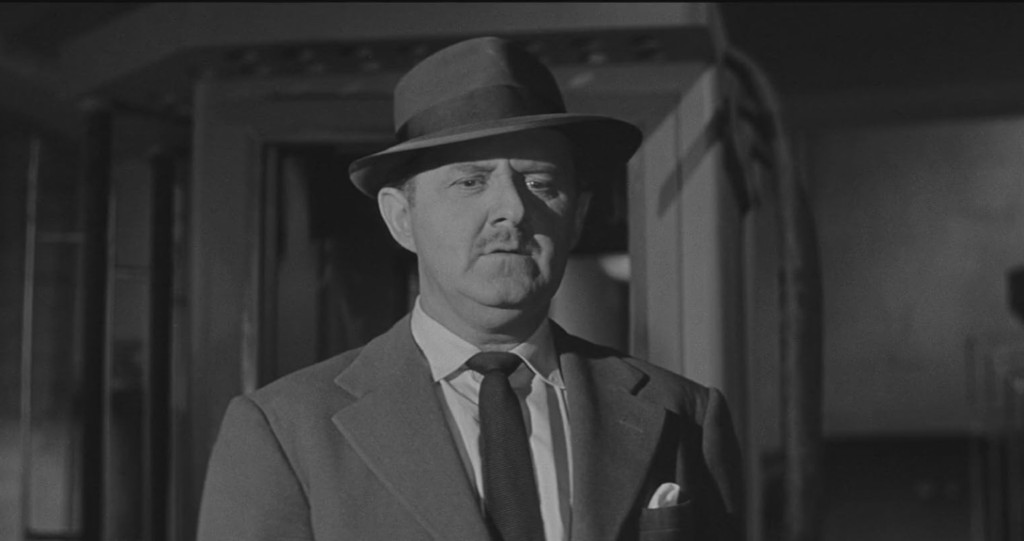
Ed Wolff is the towering 7,4 or 225 cm tall actor who plays the human fly in most of the scenes. Wolff arrived in Hollywood in 1925 from Trinidad and Tobago, figuring Hollywood might have use for a tall man. His first role was as the mob leader at the end of Universal’s classic The Phantom of the Opera (1925), and he did a handful of roles, almost always uncredited, during the 30s and 40s. The only credited movie role in his career was as the robot in the Bela Lugosi serial The Phantom Creeps (1939). Another science fiction role came along with Invaders from Mars (1953, review), in which he played one of the fuzzy green aliens. He played the titular monster in The Colossus of New York (1958, review), and the next year starred as yet another titular menace in The Return of the Fly (1959).
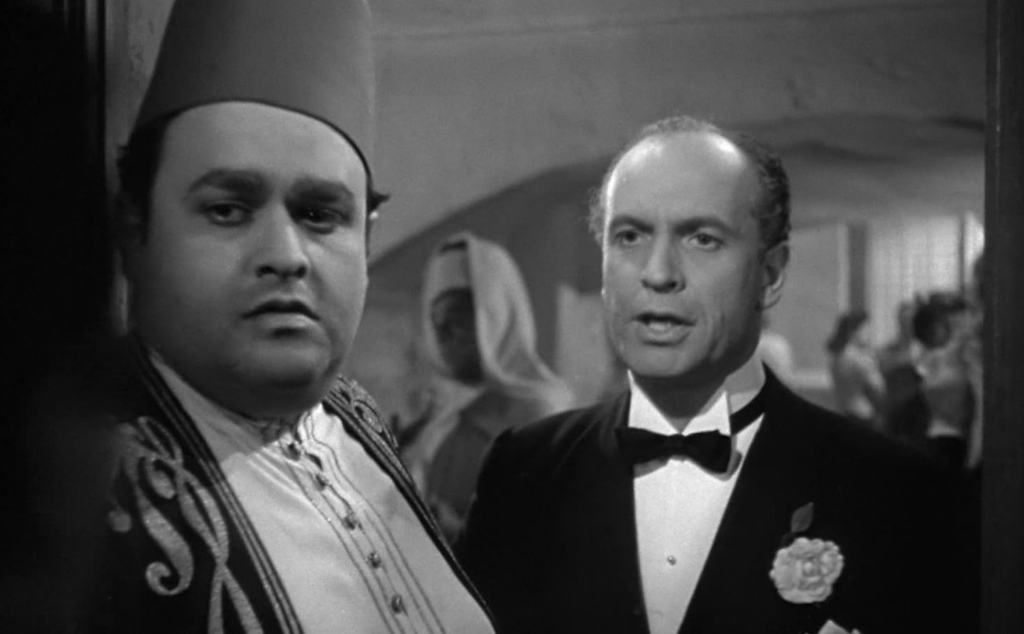
Other roles in Return of the Fly were played by stock bit-part actors and Hollywood hopefuls. Most recogniseable is perhaps Dan Seymour who plays the villainous proprietor of the funeral parlour. Rotund, swarthy Seymour was a staple heavy in Hollywood from 1942 to 1975. He had his heyday at Warner in the 40s, and is probably best remembered for his roles as Humphrey Bogart’s doorman Abdul in Casablanca (1942) and his adversary, mob gofer Angel Garcia in Key Largo (1947).
Janne Wass
Return of the Fly. 1959, USA. Written & directed by Edward Bernds. Starring: Brett Halsey, Vincent Price, David Frankham, Danielle De Metz, John Sutton, Dan Seymour, Jack Daly, Janine Grandel, Michael Mark, Richard Flato, Gregg Martell, Barry Bernard, Pat O’Hara, Francisco Villalobos, Joan Cotton, Ed Wolff, Joe Zboran. Music: Paul Sawtell, Bert Shefter. Cinematography: Brydon Baker. Editing: Richard Meyer. Art direction: John Mansbridge, Lyle Wheeler. Makeup: Hal Lierly. Produced by Bernard Glasser & Robert Lippert for API & 20th Century Fox.


Leave a Reply